


Poplar Plywood

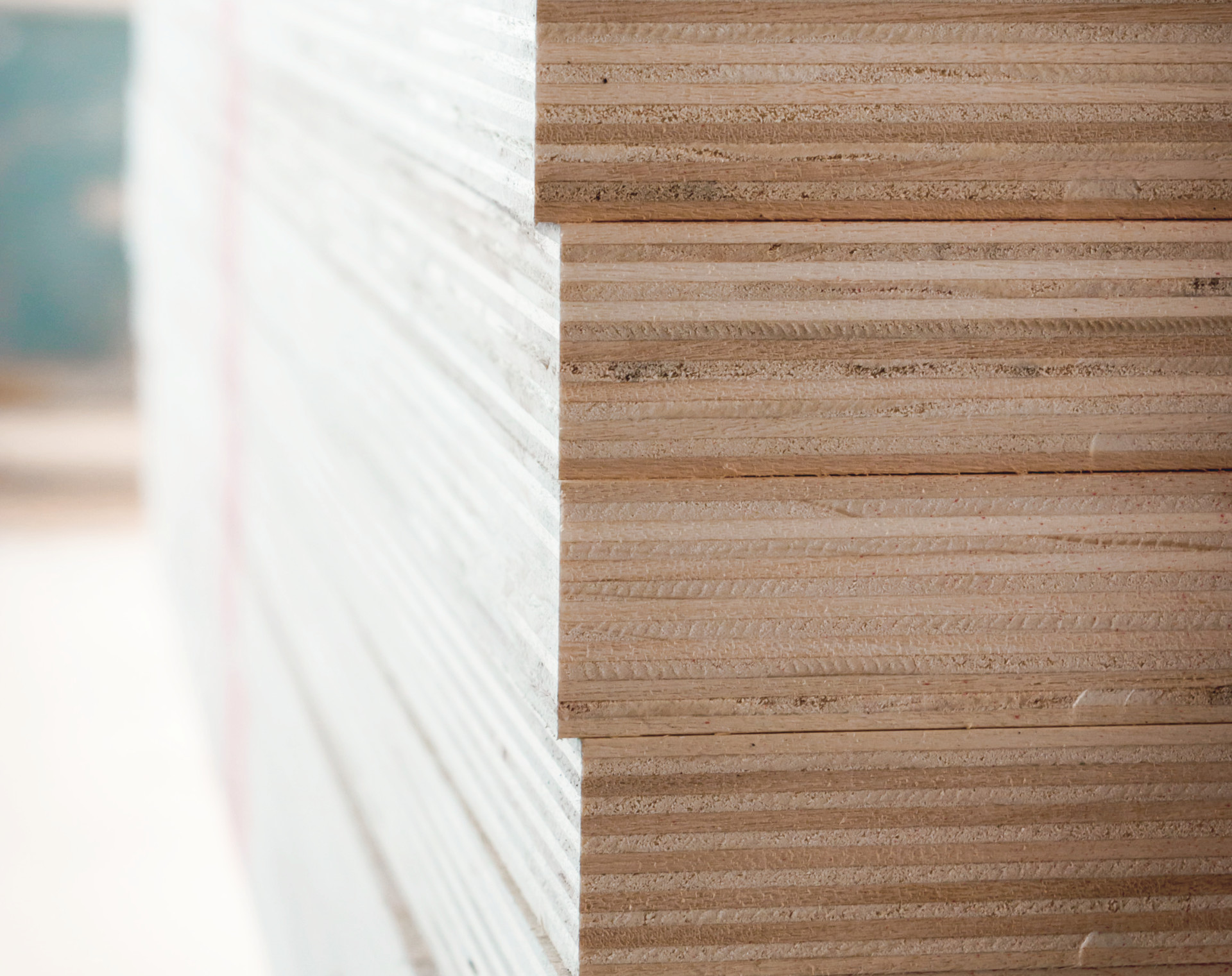
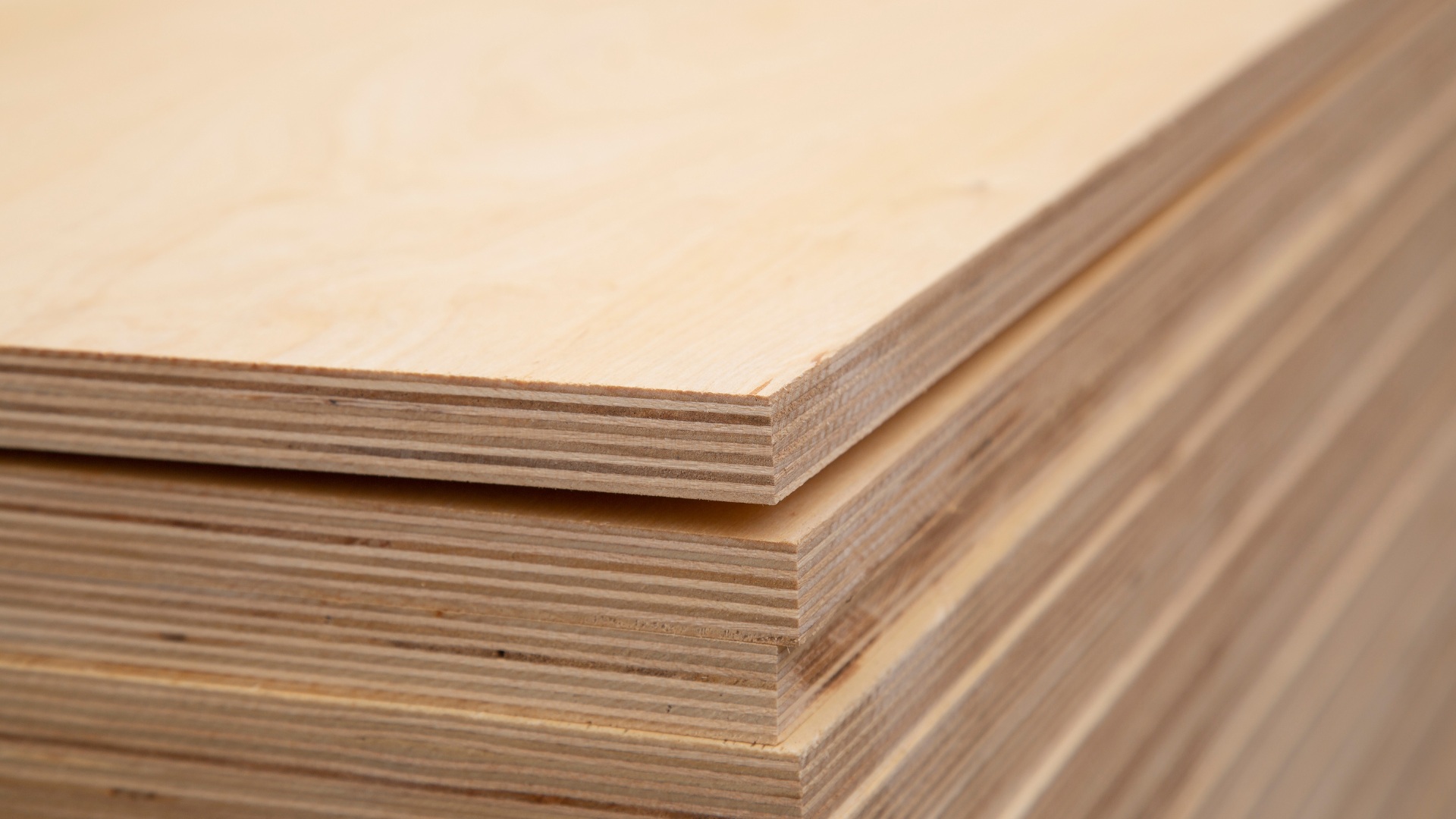
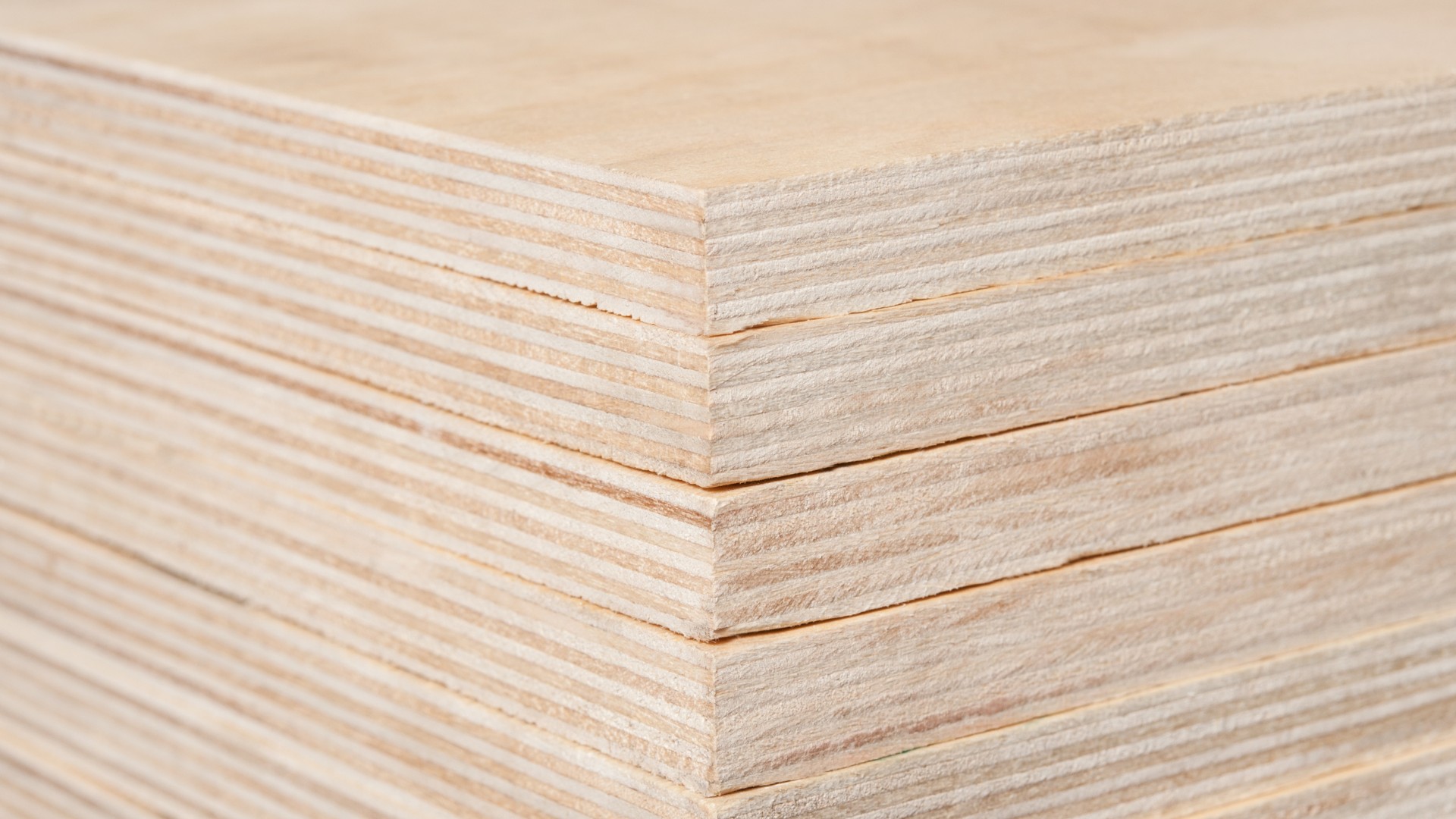
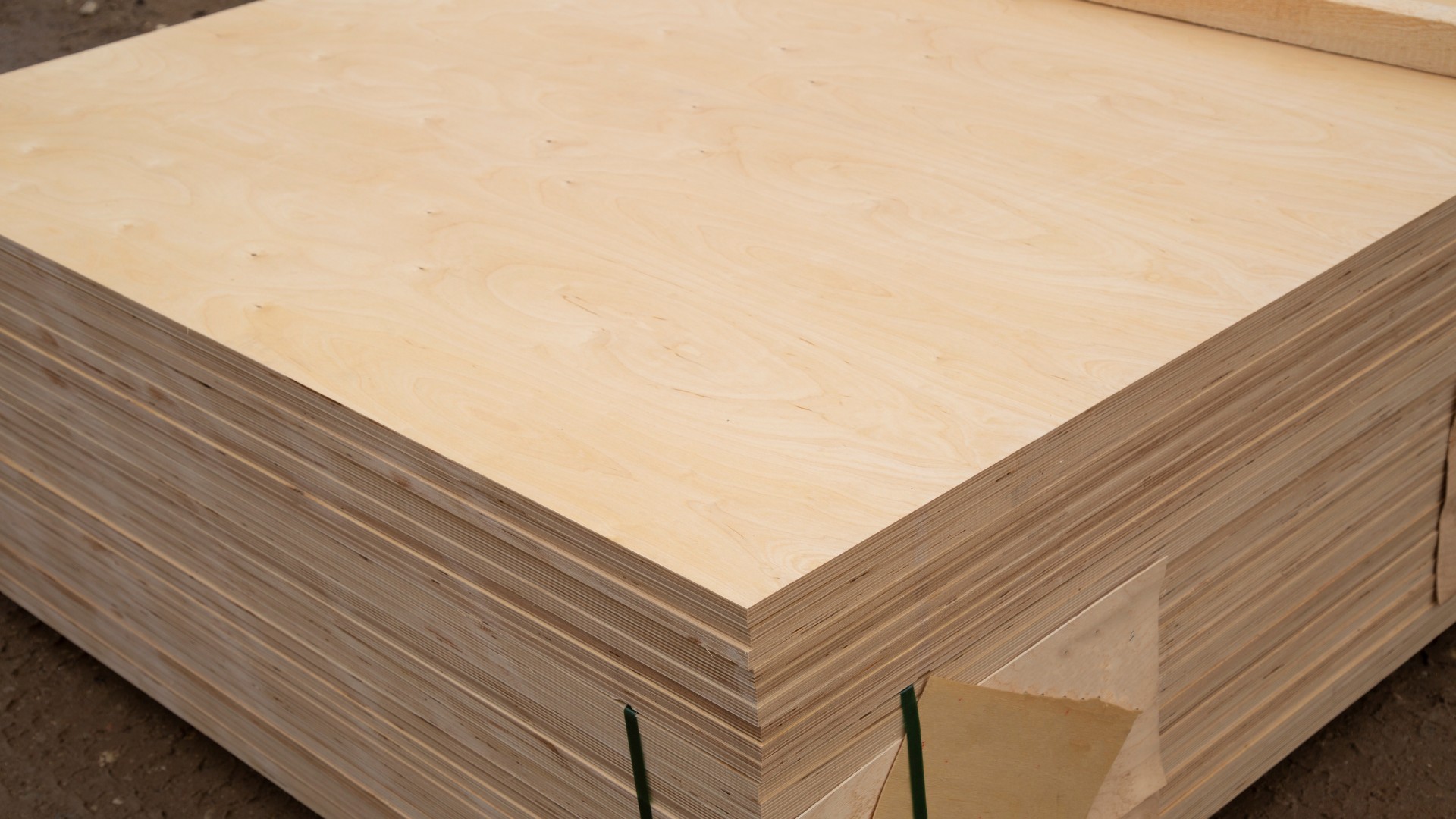
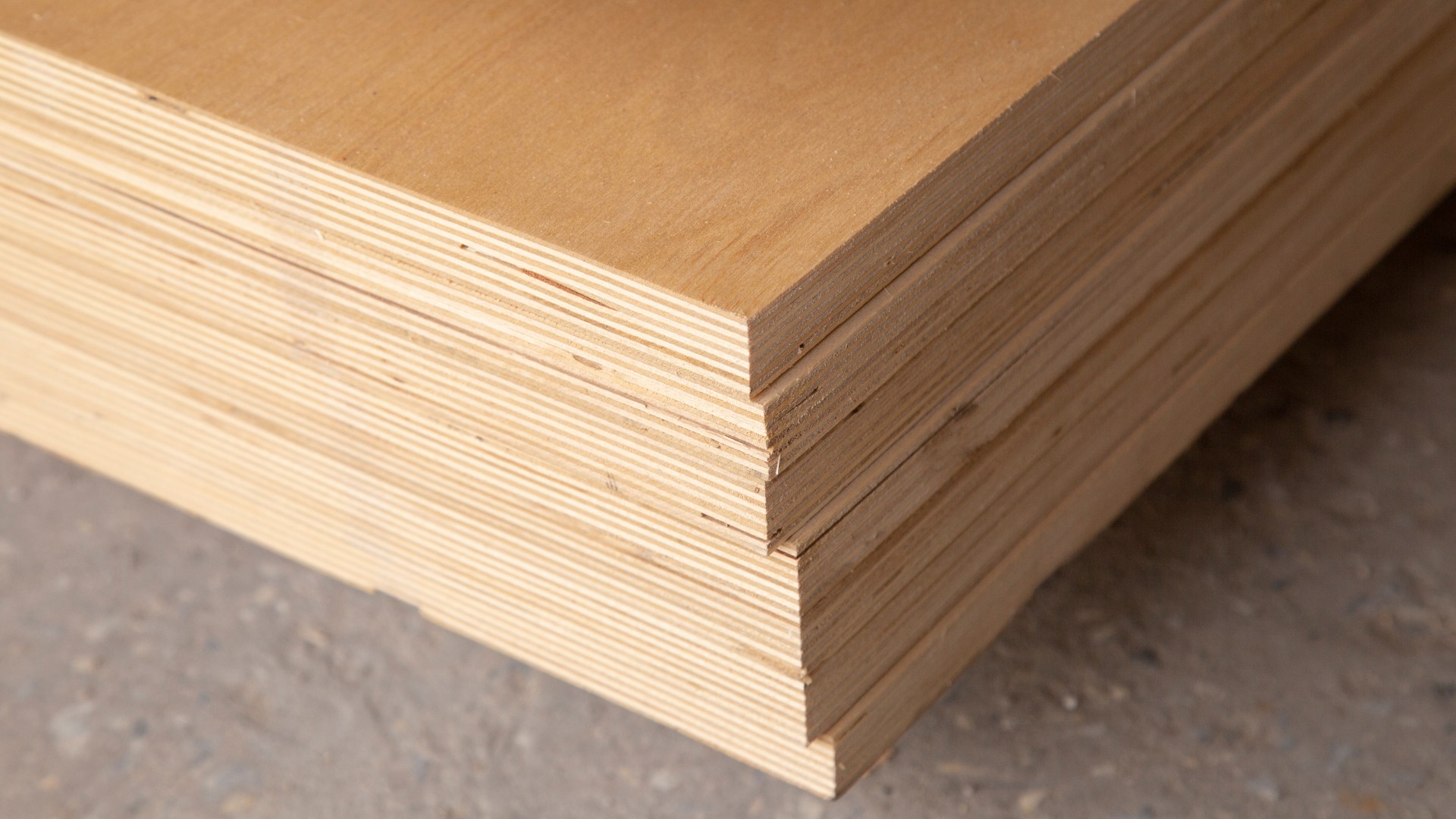
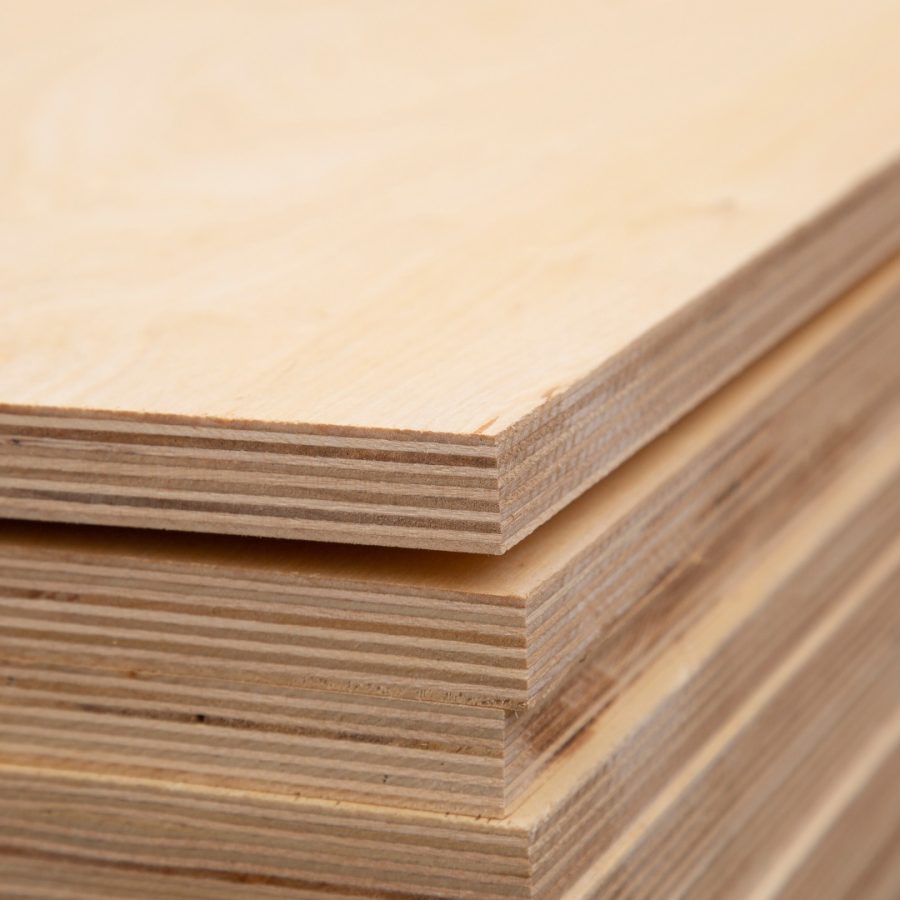
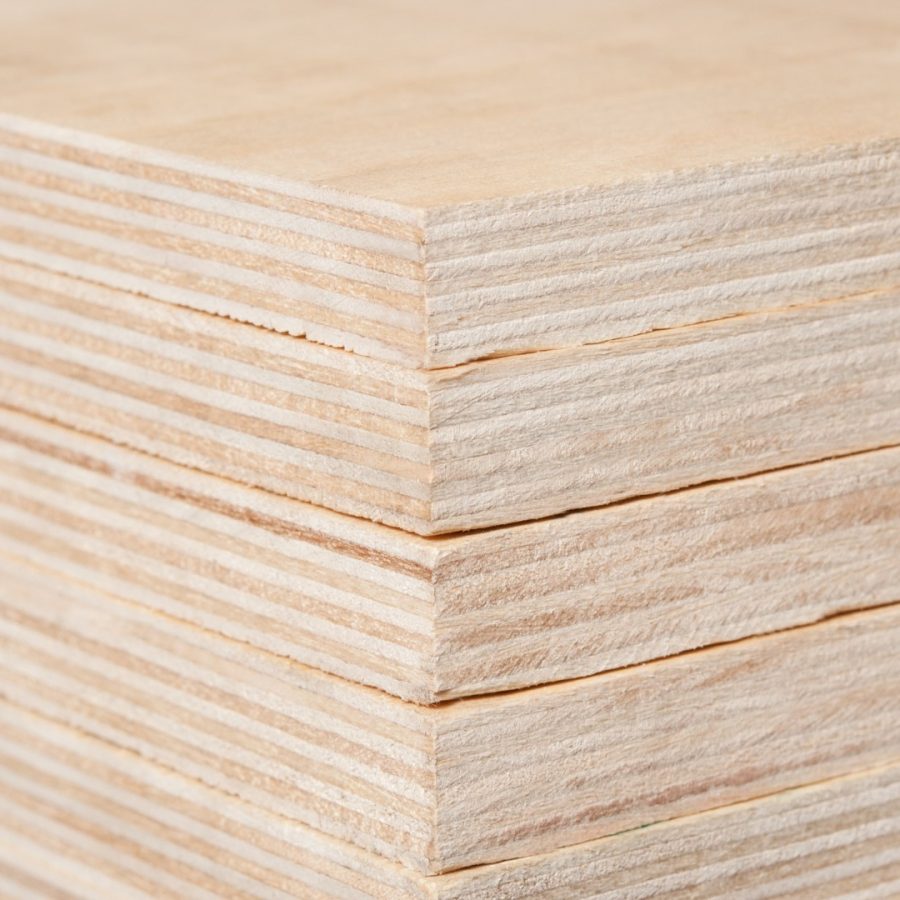
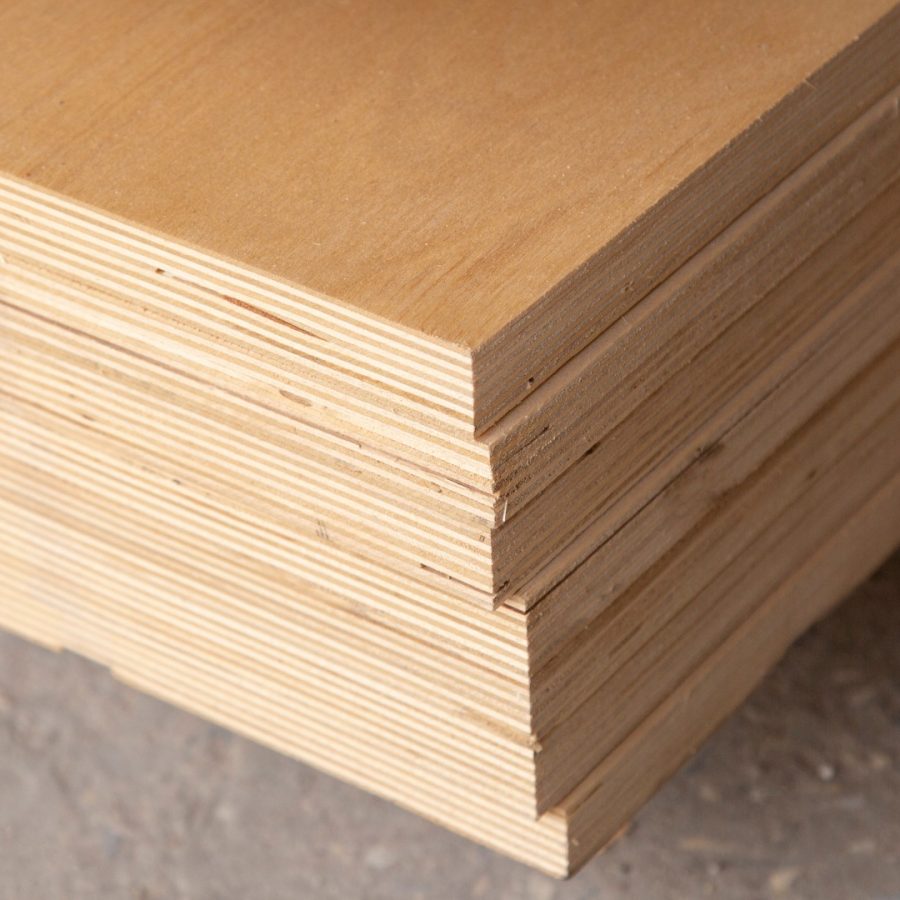
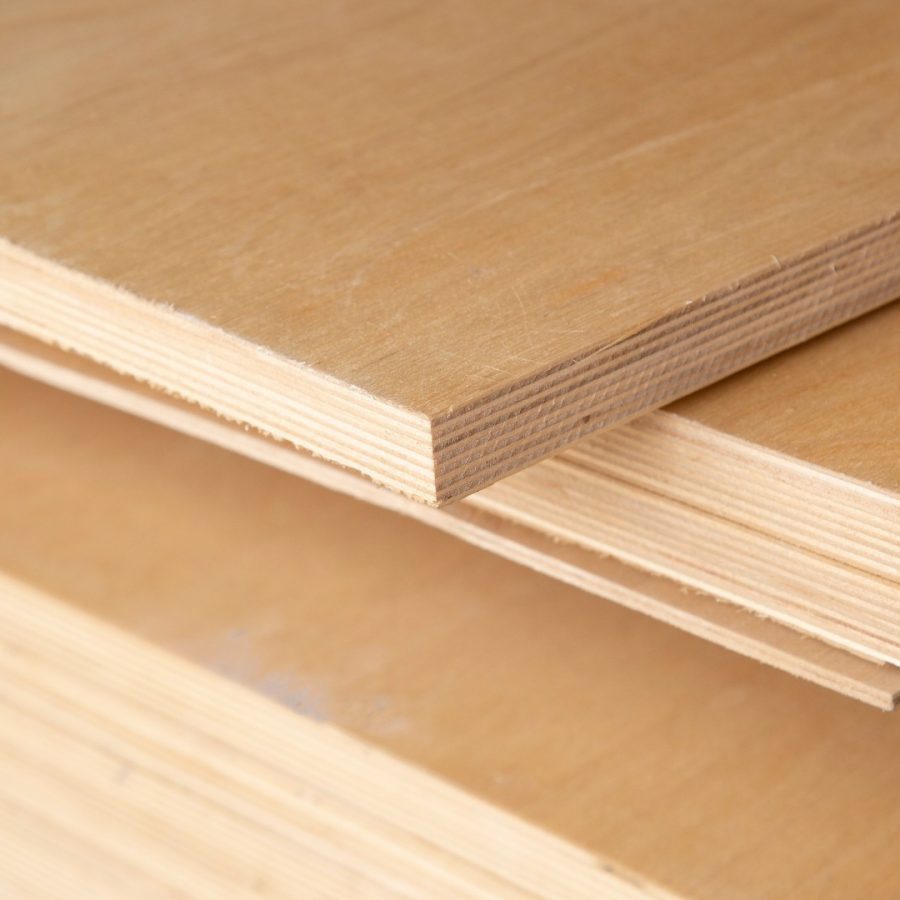
Poplar plywood is a multi-layer wood panel created by stacking thin sheets of poplar veneer crosswise and pressing them into a single unit. Multiple layers of wood, glued at right angles to each other, provide this panel with improved physical and mechanical properties compared to solid wood of the same thickness.

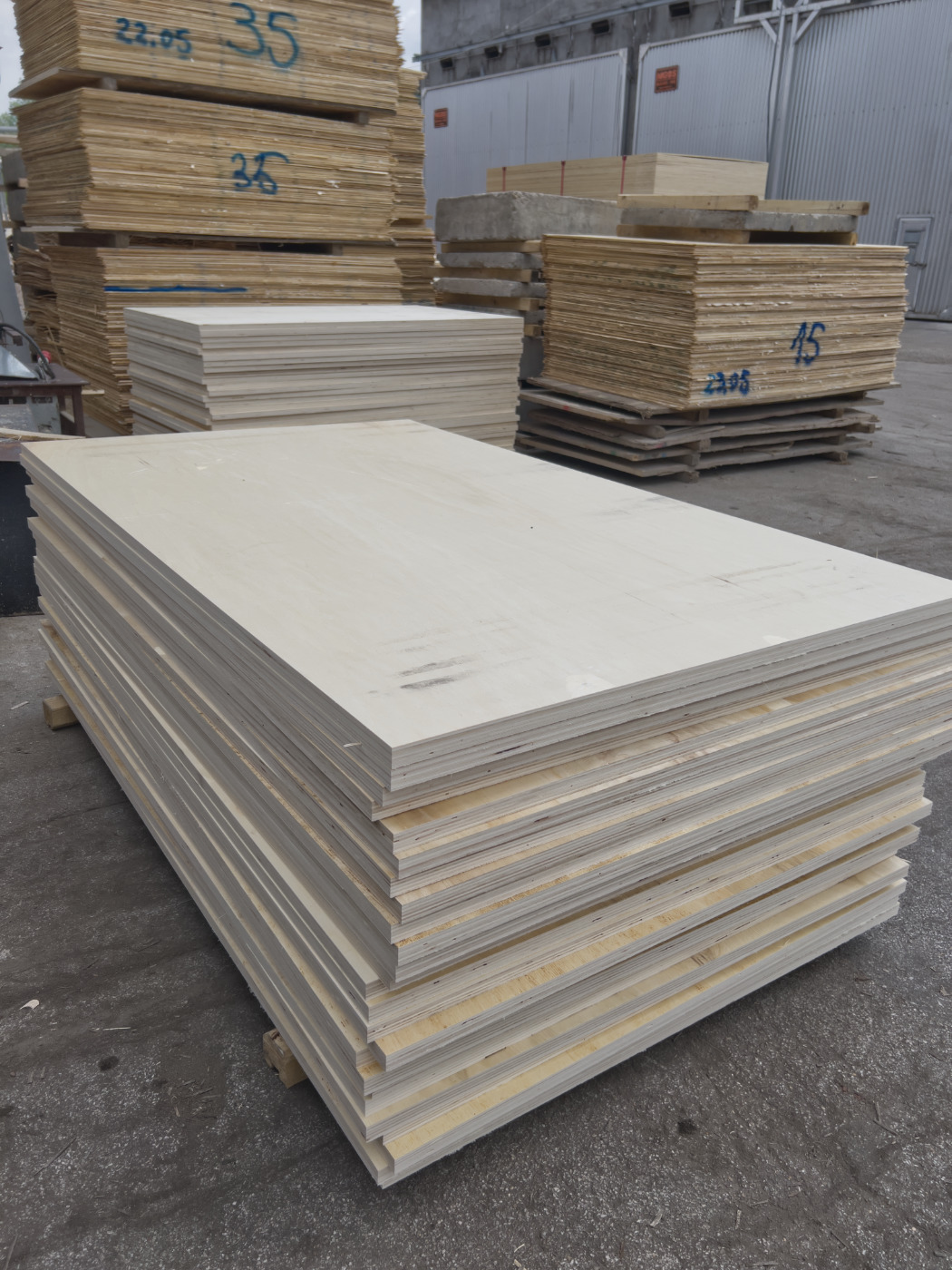
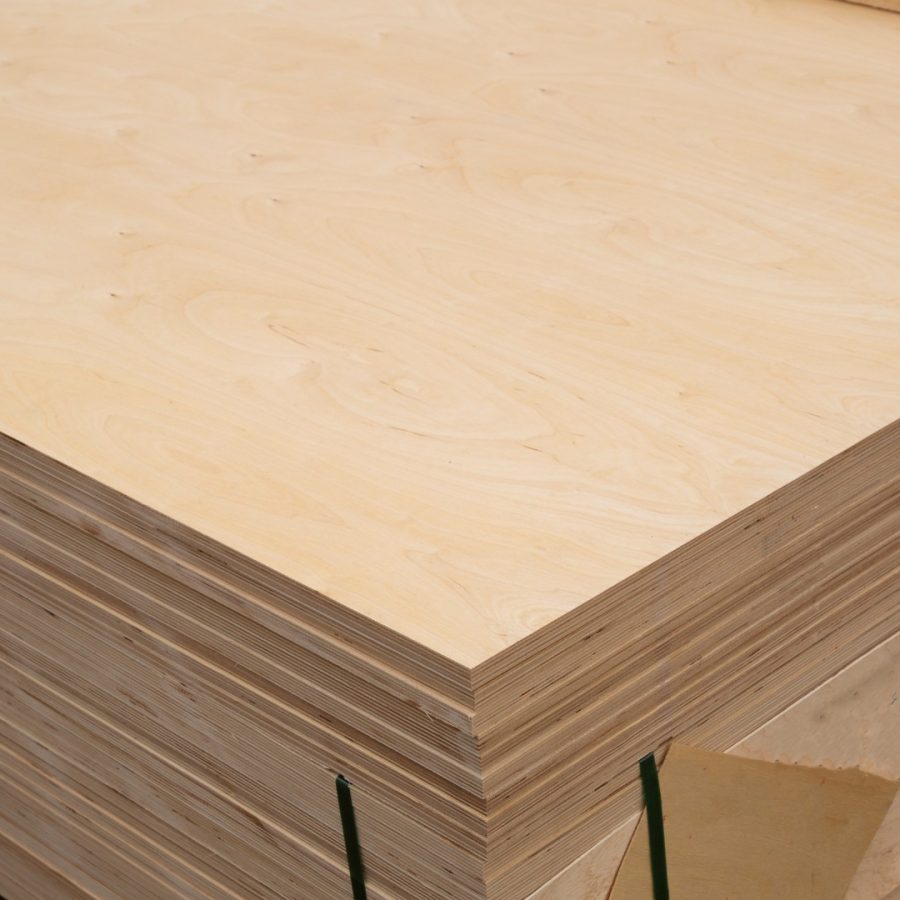
Classic poplar plywood is manufactured using waterproof adhesives, giving it high moisture resistance and long-lasting durability in use. Key characteristics that set poplar plywood apart include its low density (significantly lighter than most other wood-based panels), combined with high strength, dimensional stability, and a homogeneous, non-porous surface structure. The panel surface is smooth and uniform, making it suitable for further processing such as veneering, painting, or lamination.

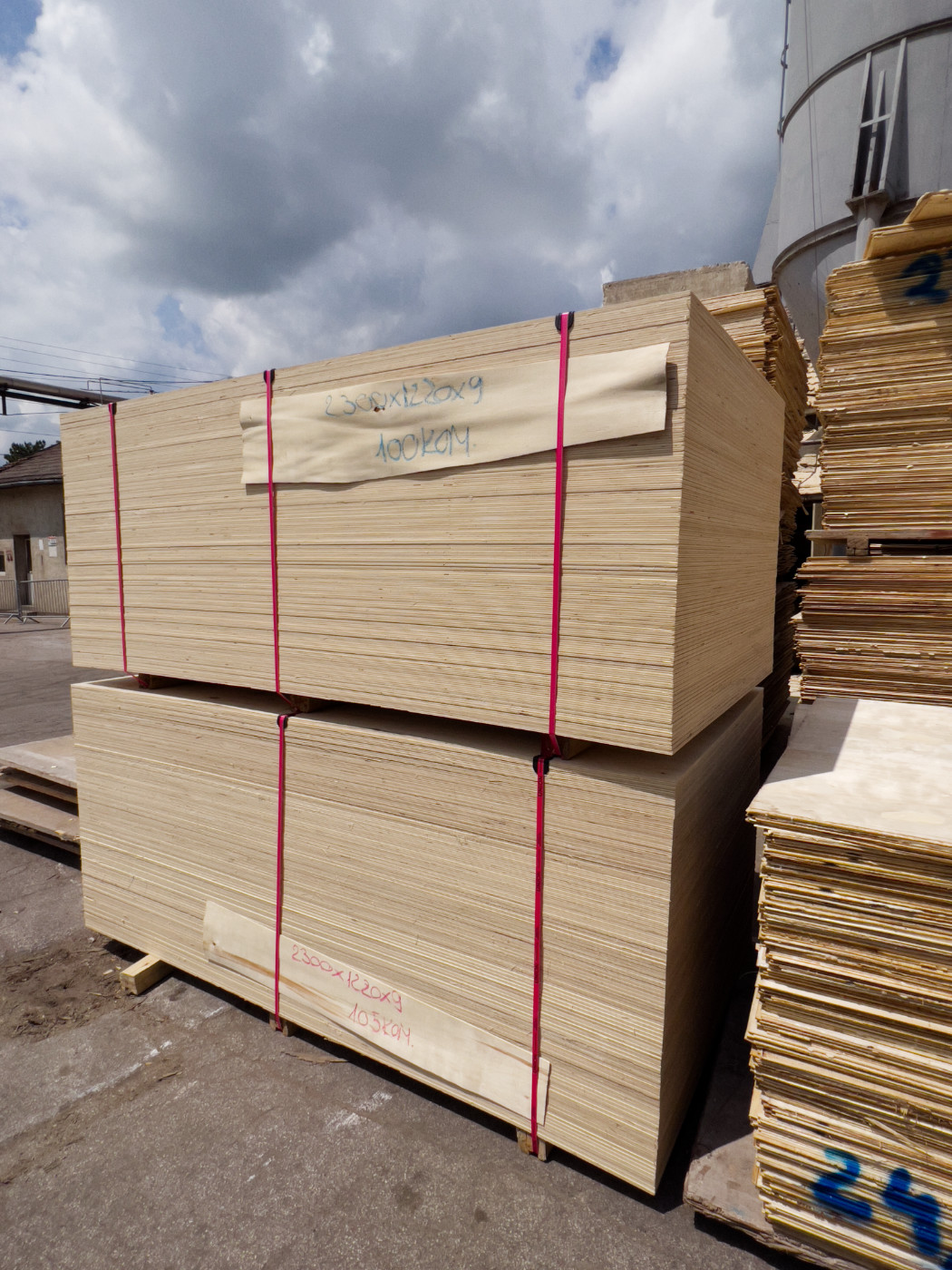
Panels can be produced in various dimensions and veneer quality grades, fully tailored to customer requirements, allowing Demka Trade to provide maximum flexibility in the application of this product.

A wide range of dimensions and performance options is available for Demka Trade poplar plywood to meet the specific needs of your production.

Key technical characteristics include:

Panel dimensions:

  • Standard lengths from 1000 to 2500 mm
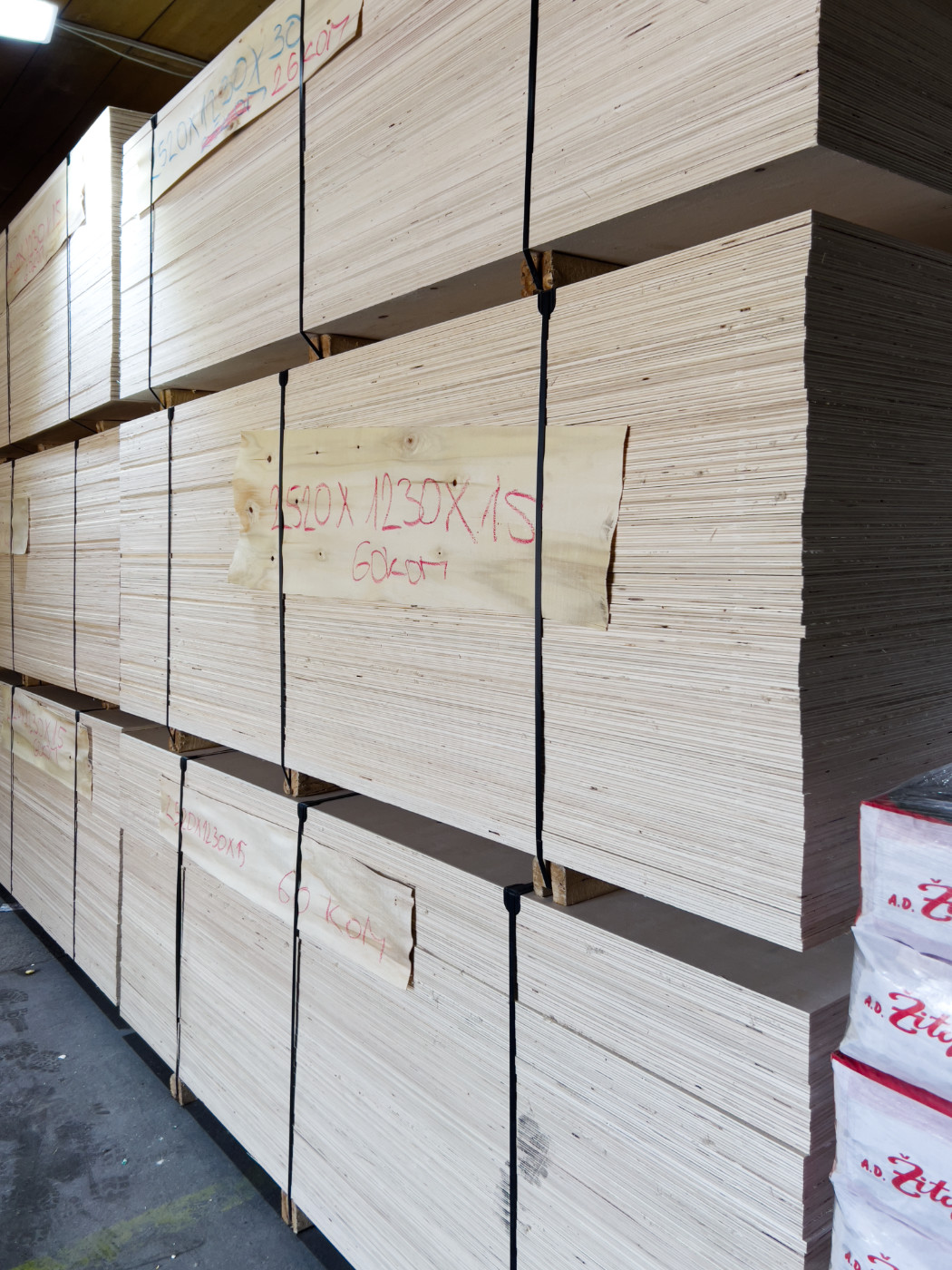
  • Widths from 500 to 1300 mm. The most common format is 2500×1250 mm, but other combinations within the stated range are available.
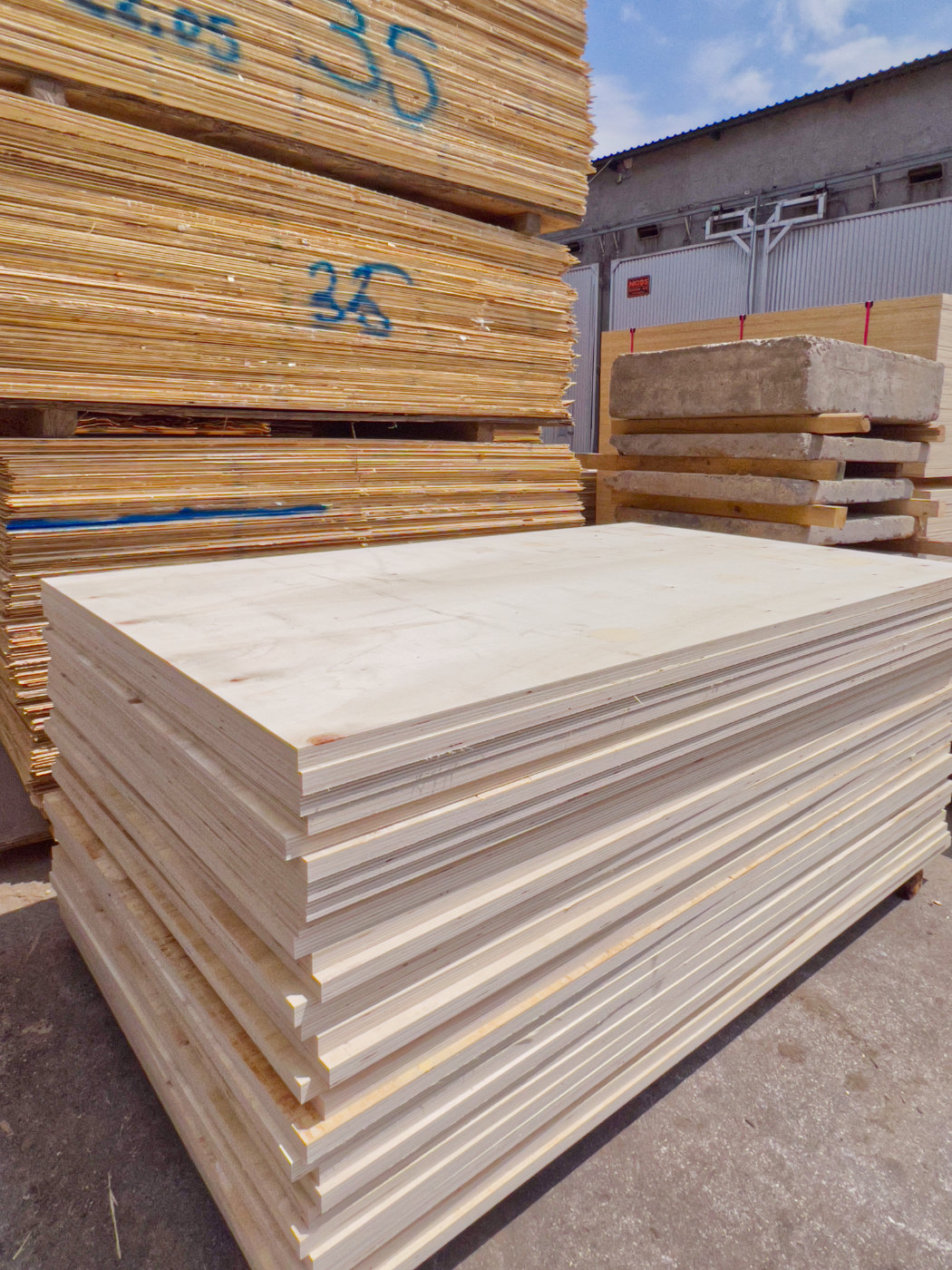
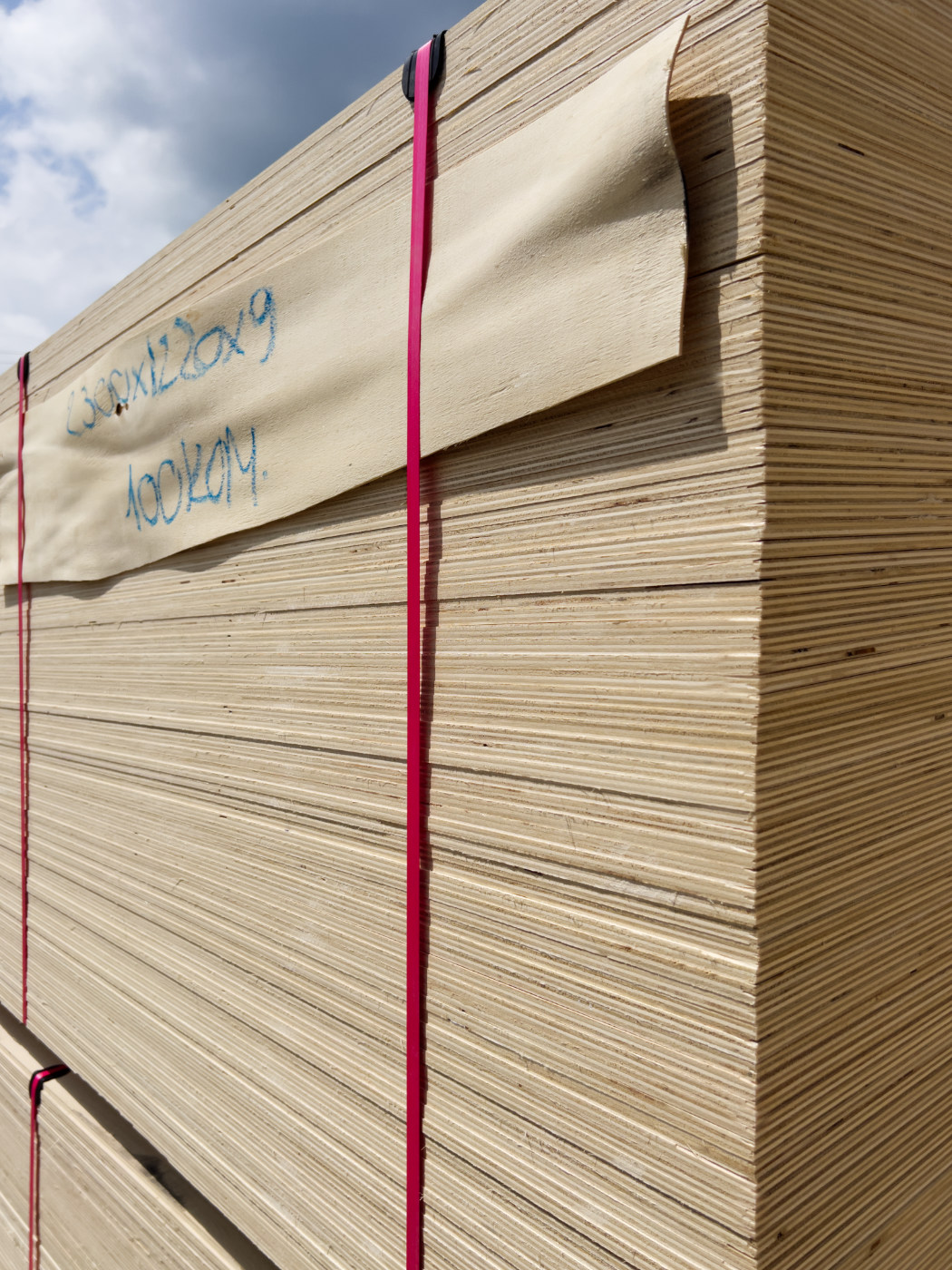
  • Panel thicknesses range from 4 mm to 40 mm, depending on the number of veneer layers.

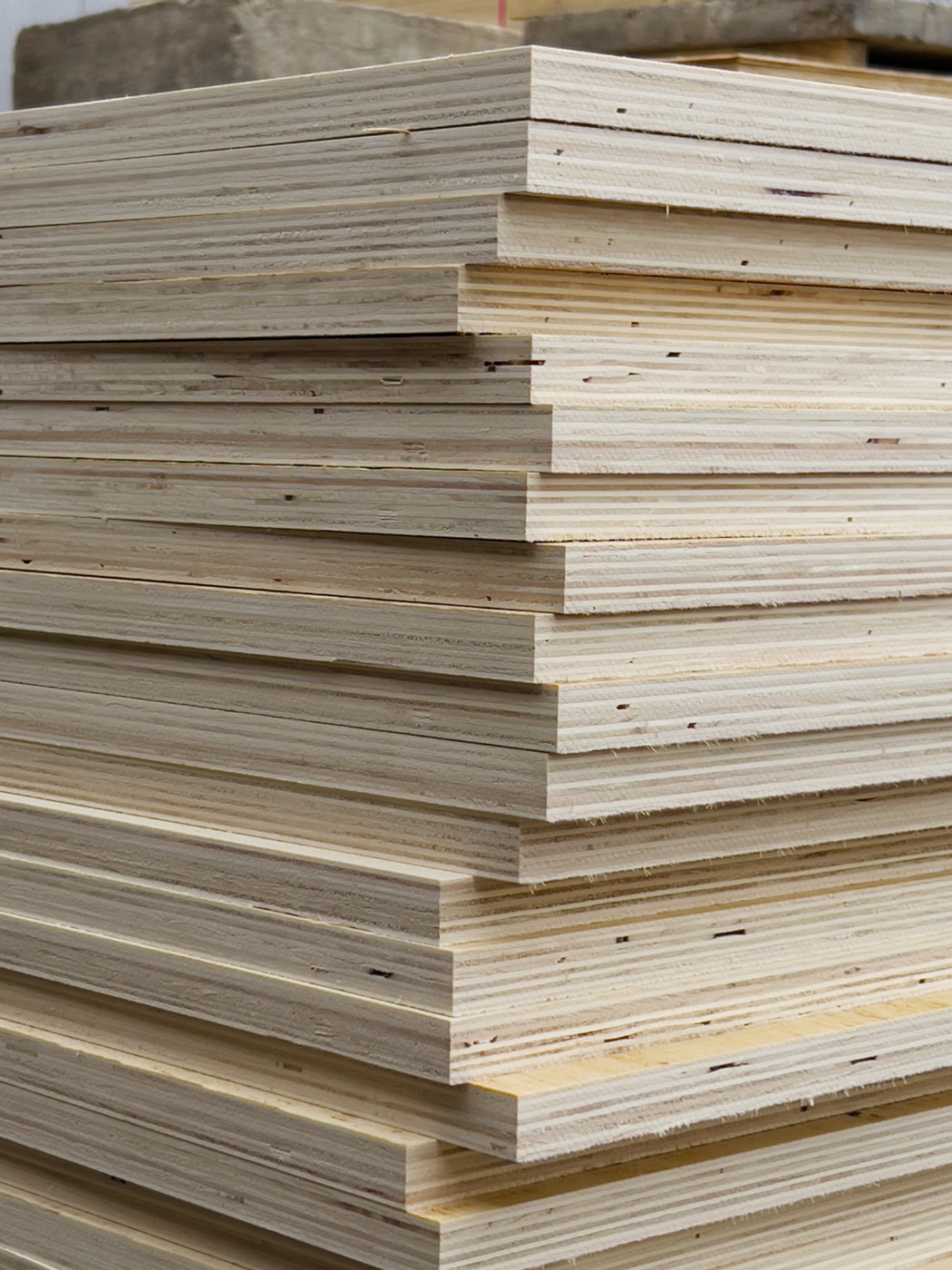
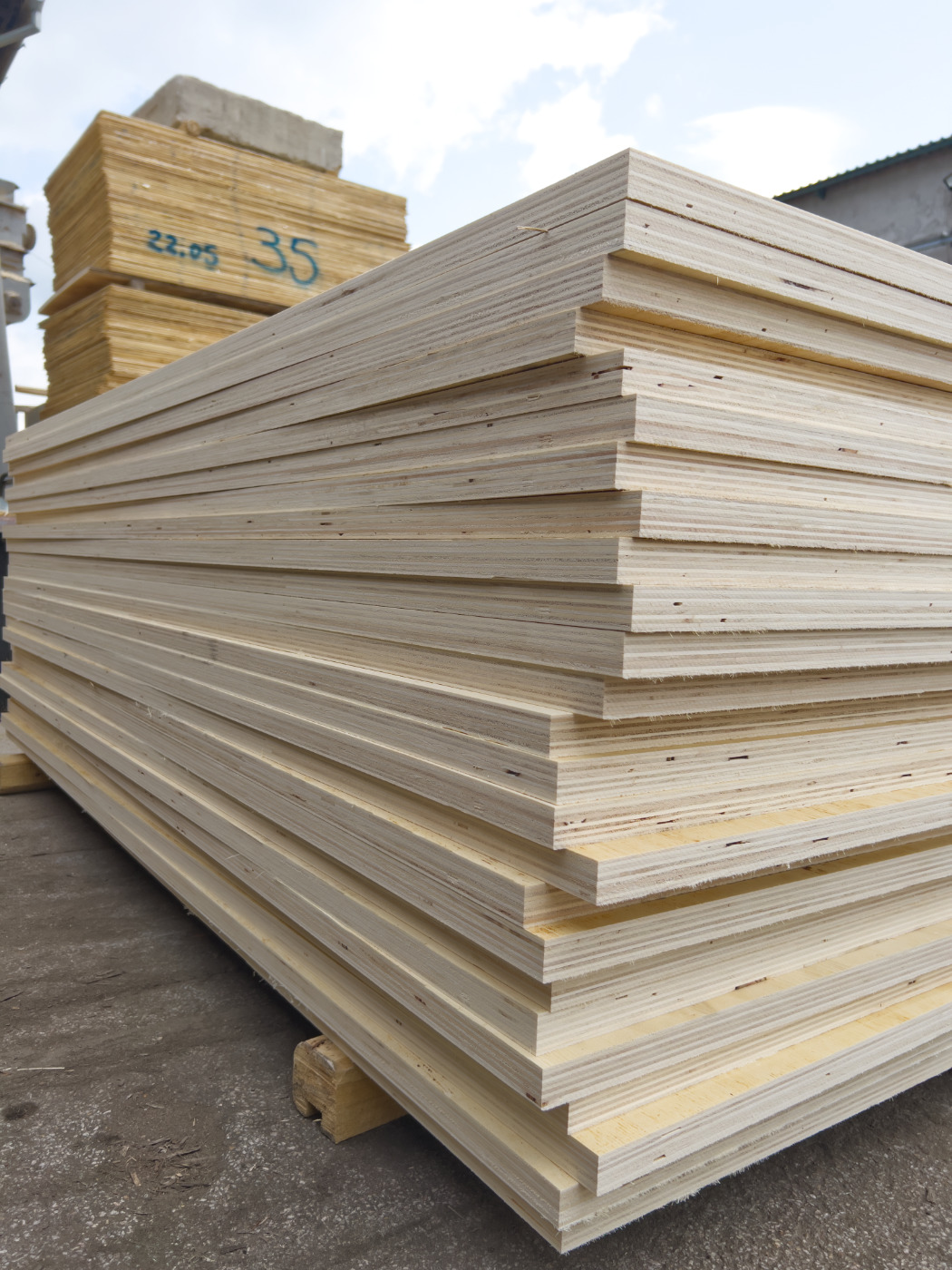
Layer structure: The panel consists of an odd number of poplar veneer layers (3, 5, 7, 9, etc.), cross-bonded at right angles for symmetrical construction. This design reduces the risk of deformation (warping) and provides higher strength compared to panels with parallel grain orientation (such as LVL panels).

Adhesive and emissions: High-quality adhesives are used in production, meeting the highest European standards, category A1 and emission class E1. This ensures waterproof bonding between the veneers, so the panels maintain integrity even in humid conditions, while formaldehyde emissions are minimized (E1), making the product safe for interior applications. (Note: E1 classification also complies with strict requirements such as the CARB Phase 2 standard for indoor air quality.)

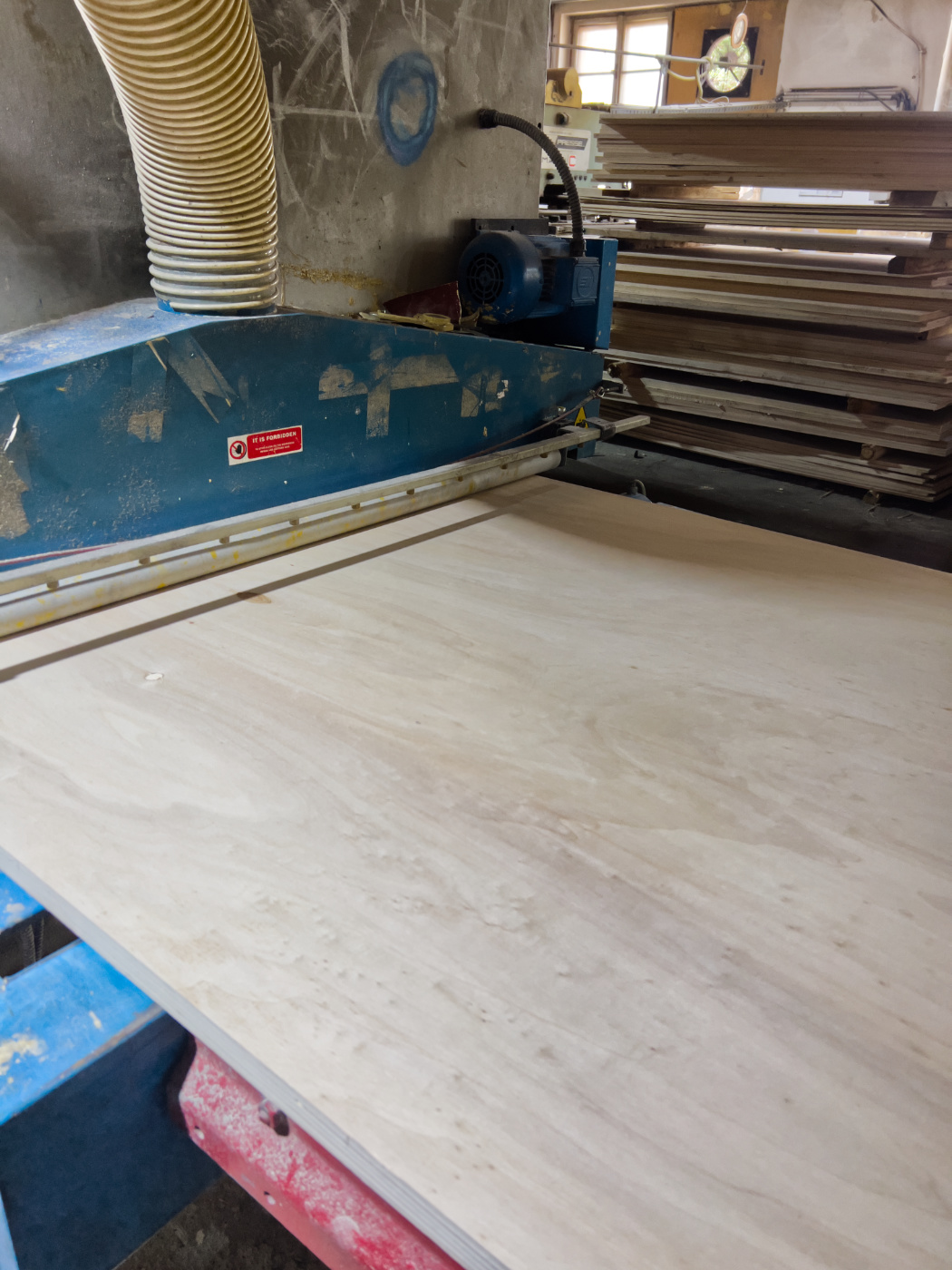
Surface finishing: Plywood panels undergo equalizing, i.e., fine calibration sanding of the surface, resulting in highly precise thickness and a smooth surface ready for further processing. This process ensures minimal thickness and dimensional tolerances, giving the panels an excellent base for additional finishing (e.g., painting or decorative film lamination).

Density and weight: Poplar plywood has a specific density of approximately 420 kg/m3, which is about 30% lighter than birch plywood. This low weight greatly facilitates handling and transportation of the panels, and helps reduce the total weight of finished products (such as furniture or vehicles) without compromising structural strength.
Product Information

The production of poplar plywood follows carefully controlled steps that meet the highest industrial standards. The entire process begins with the selection of high-quality poplar logs. The logs are peeled on a rotary lathe to produce thin sheets of veneer with the specified thickness. The raw veneer then passes through chamber dryers until the optimal moisture content is achieved (usually around 6–12%), which is crucial for good bonding quality and dimensional stability of the final product.

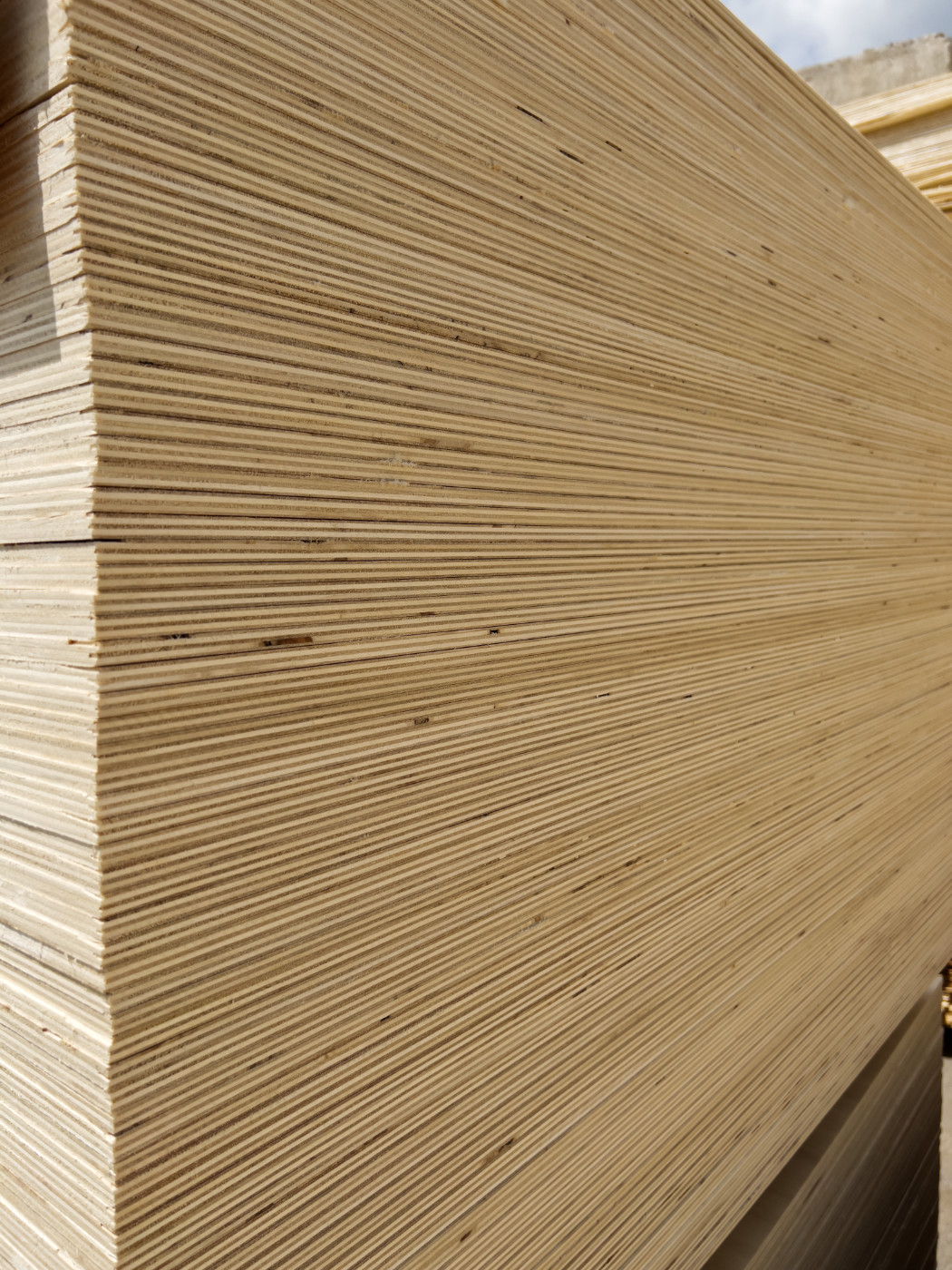
The dried veneer sheets are then stacked into what is known as a "sandwich." Layers are alternated so that adhesive-coated sheets are interleaved with those without glue until the desired number of layers is reached. Waterproof adhesive is applied evenly to ensure consistent bond strength across the entire surface. After forming this layered package, it is transferred to a hydraulic hot press. During the pressing phase, high pressure and temperature (about 110 °C) cause the glue to polymerize, resulting in a permanently bonded, compact panel. Pressing under precisely controlled conditions also leads to a slight "compression" of the material—uniformly compacting the layers to the required thickness.

After pressing, the panel undergoes a phase of cooling and conditioning, which gradually equalizes internal stresses and moisture content, preventing subsequent deformation. Next come the final operations: calibrating (sanding) both surfaces to achieve a perfectly smooth texture and cutting (formatting) to the required lengths and widths. At this stage, the faces of the panel are also inspected—any imperfections are repaired with putty or veneer replacement at critical points—after which each panel is graded by quality. Only when the product meets all set quality criteria is it stored as a finished product ready for customer delivery.

Demka Trade poplar plywood offers a range of advantages that set it apart on the market and provide added value to our customers compared to alternative materials or competing products:

  • Exceptional lightness with high strength: Compared to panels made from heavier wood species, poplar plywood is significantly lighter (about 30% lighter than birch). This means easier handling in production, lower transportation costs, and the ability to construct lighter products (an important advantage for vehicles and caravans), while still maintaining high load-bearing capacity and resistance to stress.

  • Dimensional stability without warping: Thanks to cross-bonded layers and quality veneer drying, our panels are extremely stable and retain their flat shape over time. There is no unwanted bending or cracking even with temperature and humidity changes, ensuring consistent material performance in use. Additionally, poplar veneer is resistant to swelling when exposed to moisture, which extends the service life of the panel.

  • Durability and resistance: Demka Trade poplar plywood is bonded with high-performance waterproof adhesive, providing resistance to moisture and external influences. The panels maintain their integrity under demanding conditions, without delamination or loss of strength even in elevated humidity or climate fluctuations. As a result, they offer long service life and reliability, which is confirmed by relevant testing and certifications.

  • Easy machining and finishing: Compared to harder plywood types, poplar is much easier to machine. Cutting, drilling, and milling these panels requires less power and causes slower tool wear, increasing efficiency in production. The surface is clean and smooth after sanding, ready for various finishes, painting, or lamination without additional correction. These properties mean faster final product fabrication and less tool wear during processing.

  • High and consistent manufacturing quality: Our plywood undergoes strict quality control—from veneer selection to the final product—ensuring minimal internal defects. The panel structure is homogeneous, with no voids or delamination, and every sheet leaving production meets the prescribed standards. Customers receive a reliable material with consistent quality in every delivery, reducing waste and complaints.

  • Cost-effectiveness: Poplar plywood is often a more economical option compared to alternative materials. Thanks to locally sourced raw materials and optimized production, Demka Trade can offer competitive prices without compromising quality. The favorable combination of price and performance means better value for your investment, especially when considering savings on transportation and easier machining.

As a socially responsible company, Demka Trade places great emphasis on sustainable production and the environmental aspects of its products. Poplar, the primary raw material for our plywood, is among the most sustainable wood species – it grows quickly on plantations and has one of the highest CO2 absorption rates among trees. This actively contributes to reducing the carbon footprint, as each poplar planted sequesters significant amounts of carbon dioxide from the atmosphere during its growth. In addition, poplar trees are known to improve soil and water quality (thanks to their phytoremediation capabilities), making them an extremely suitable renewable resource for the panel industry.

Demka Trade uses only wood from legal and sustainably managed sources. Our poplar plywood is FSC® certified (Forest Stewardship Council), ensuring that the material comes from responsibly renewed forests where ecological and social standards are respected. Furthermore, we comply with other relevant sustainability standards – from adherence to EU regulations on legal timber trade, to the ability to meet requirements of certifications such as PEFC, depending on customer needs.

It is also important to note that we use low-formaldehyde emission adhesives (E1 class) in production, making our product contribute to healthier indoor environments in its final application. E1 emission class means that the plywood releases minimal amounts of volatile organic compounds, far below the prescribed limits. In this way, our clients in the industry can be confident that they are using a material that meets strict standards for indoor air quality and end-user safety.

For our quality and environmental management system, we have also implemented appropriate standards and certifications. Our operations are organized in accordance with the requirements of ISO 9001 (quality management system). All of this ensures that the production process is conducted with minimal waste, proper disposal of by-products, and maximum utilization of raw materials – even veneer waste is used for energy or the production of other composite materials whenever possible.

Quality is the primary characteristic of Demka Trade products, which is why we have established a rigorous quality control system throughout the entire production process. From the moment the raw material arrives, poplar logs are carefully selected and veneers are visually inspected for any undesired defects. During production, every critical step—veneer peeling, drying, glue application, pressing, and cooling—is closely monitored by our skilled staff. Every stage of production is controlled and tested for quality to ensure that the finished product meets the required specifications.

At the Demka Trade facility, an ISO 9001 quality management system has been implemented, meaning our processes are documented and standardized, and the staff is trained to follow established procedures. Regular internal checks and system audits are conducted to maintain a high level of consistency in production from batch to batch.

Every manufactured panel undergoes a final quality inspection before delivery to the customer. This includes checking dimensions, surface flatness, surface and joint quality. Each panel is graded according to its quality class (e.g., surface classes I, II) based on predefined standards, so customers know exactly what type of product they are receiving. All of this ensures that every product meets the declared specifications.

This comprehensive approach to quality control guarantees the reliability of Demka Trade plywood in your applications. Whether it is about structural requirements in construction or precise tolerances in furniture manufacturing, you can rely on the consistency of our product. Our factory’s slogan – “Quality comes first” – is not just a phrase, but a principle we apply every day.

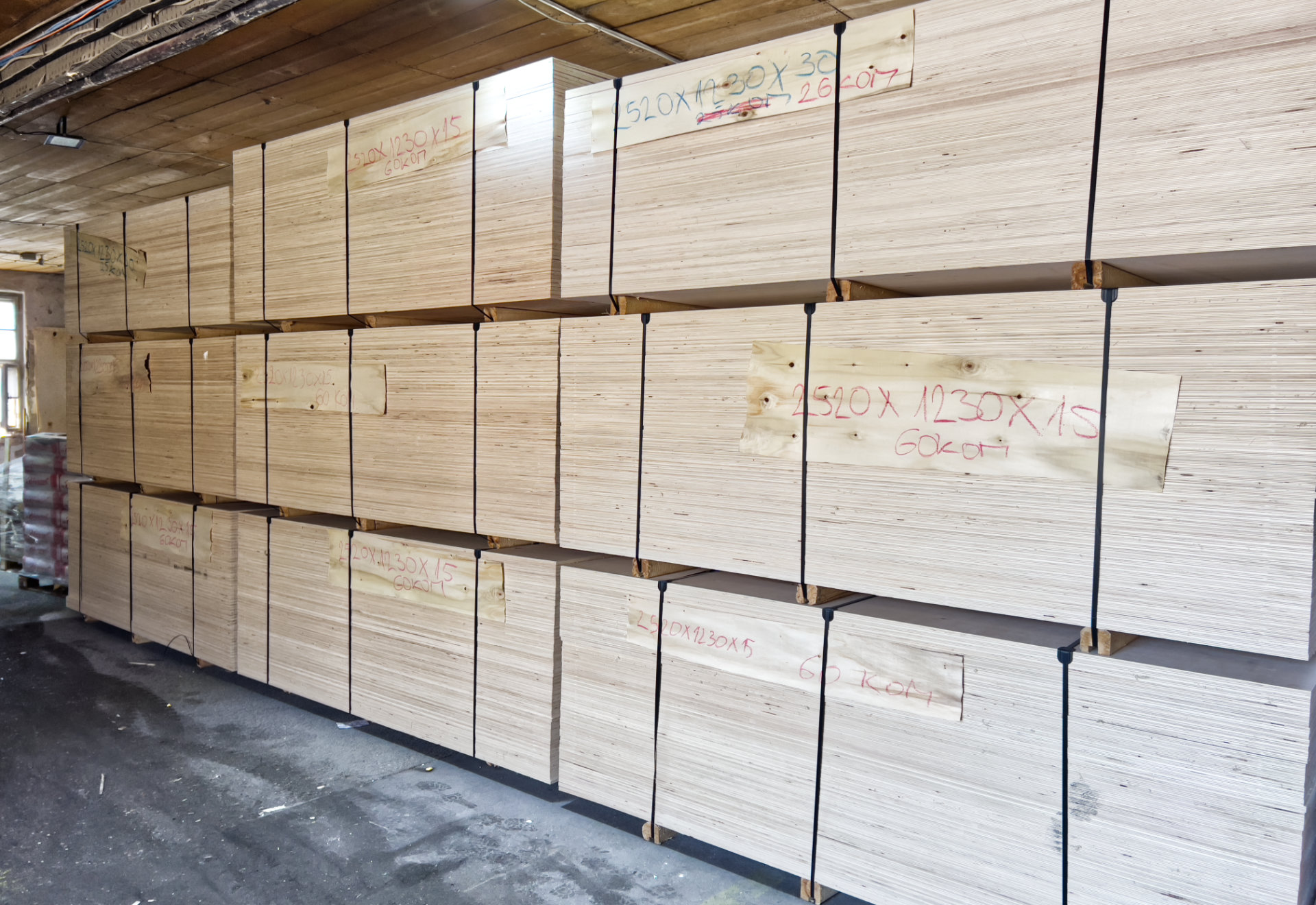
Every industrial application can have its own specific requirements, which is why production flexibility is one of the pillars of our offering. Demka Trade manufactures standard formats of poplar plywood, as well as special dimensions according to customer requests. This means you are not limited to standard panel sizes—upon agreement, we can produce plywood that optimally fits your needs.

Length, width, thickness—any of these parameters can be customized within our technological capabilities. For example, if your production process requires a non-standard panel length to avoid waste and extra cutting, we can deliver panels in the exact length you need. Similarly, if you require special thicknesses (for example, between usual standards) or a certain number of veneer layers, we strive to find a production solution. Our equipment and expert team enable relatively fast production adjustments, so even small batches of non-standard formats can be manufactured in cooperation with customers.

This customization option brings significant advantages to our clients. By receiving an already optimized panel format, your processing costs and production time are reduced. At the same time, material utilization is more efficient—there is no unnecessary waste, and you pay only for what you need. The Demka Trade team works closely with each customer to understand their specific requirements and offer the best solution regarding panel dimensions, veneer quality, or other characteristics. In this way, our partners receive a tailor-made product that fits seamlessly into their process and final product.

Directly from Our Production – Poplar Plywood and LVL Panels

01

We produce veneer from our own poplar logs.

02

Pressing, sanding, and sizing are performed within a fully integrated, closed-loop process.

03

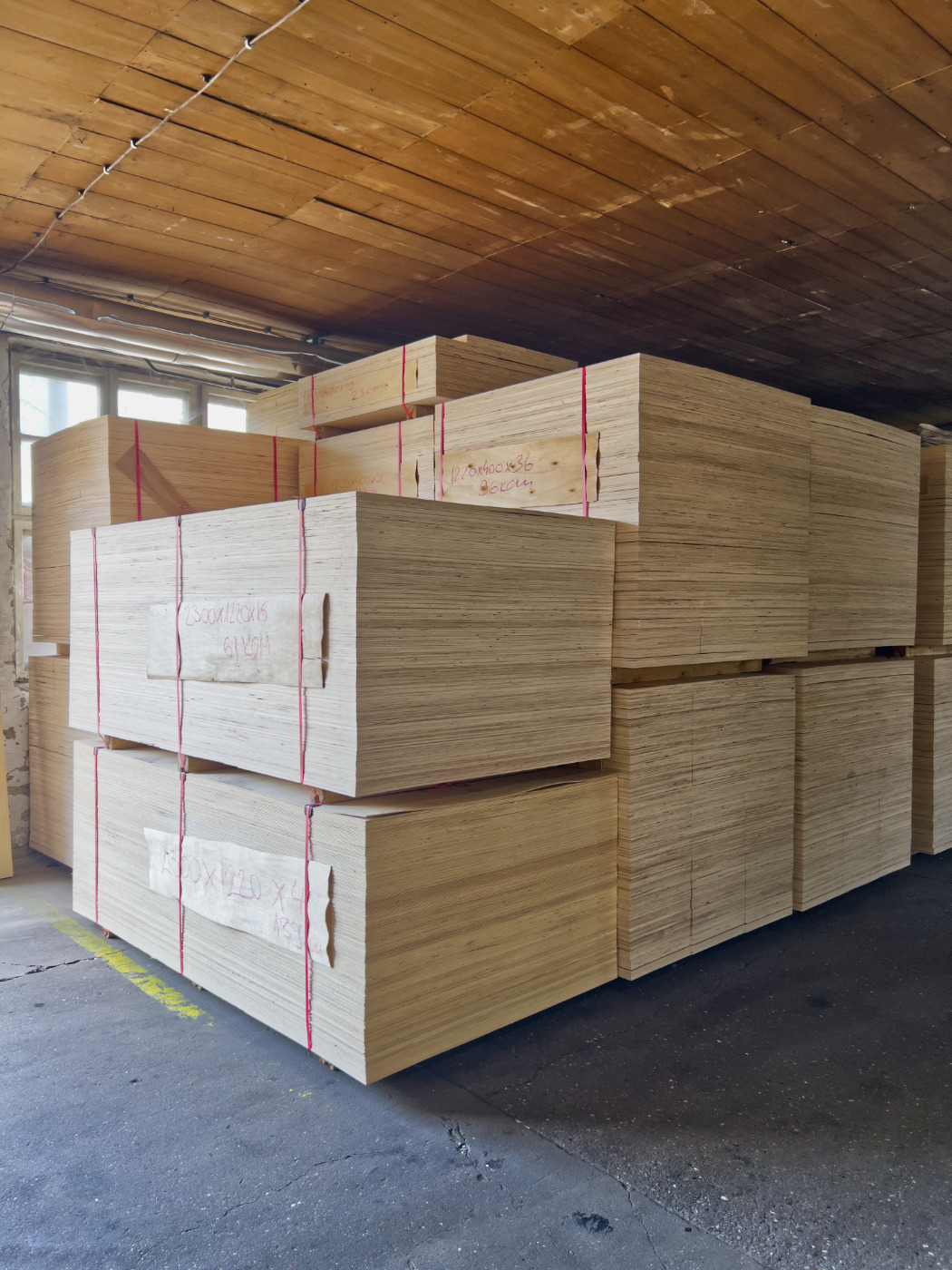
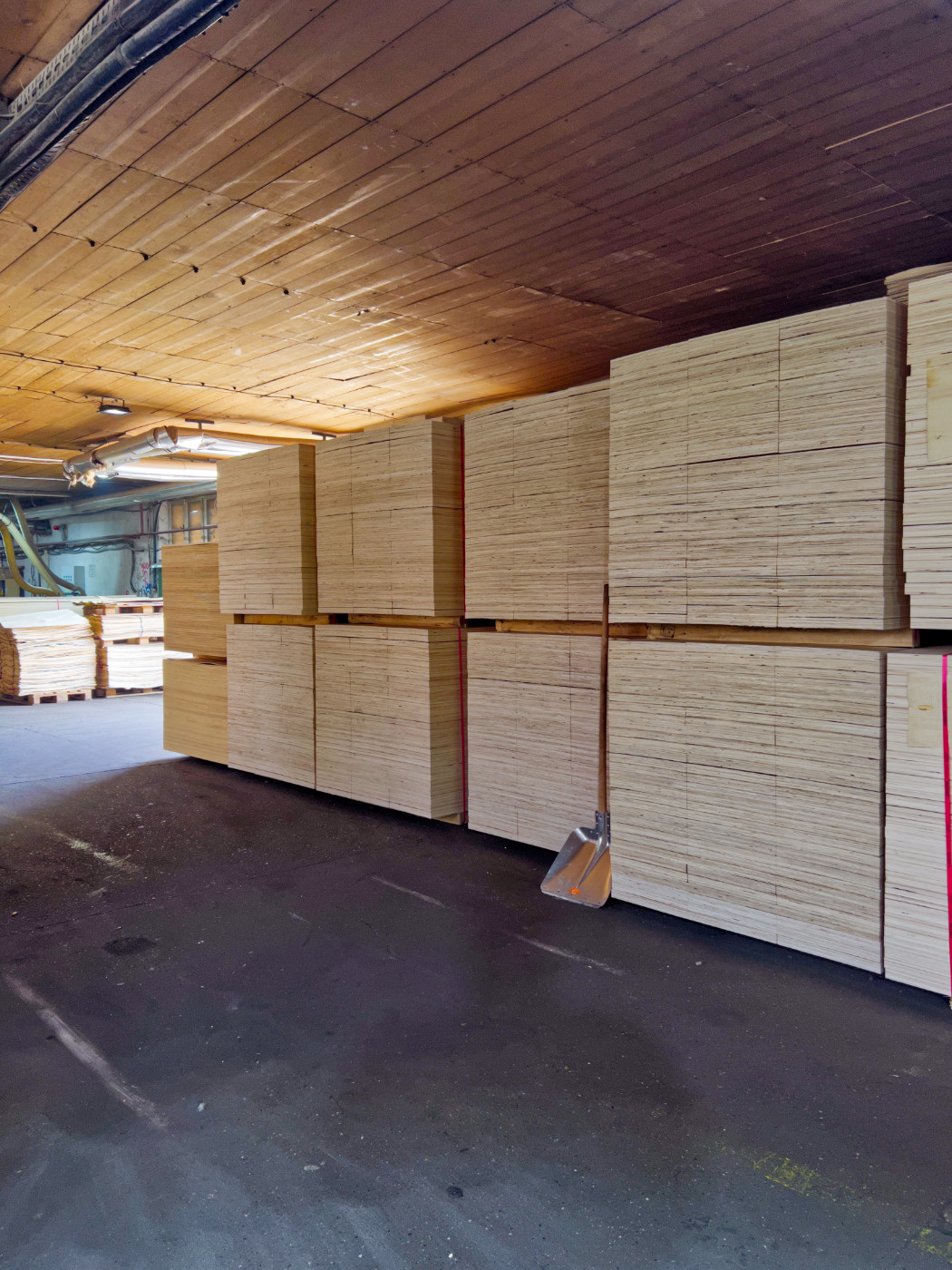
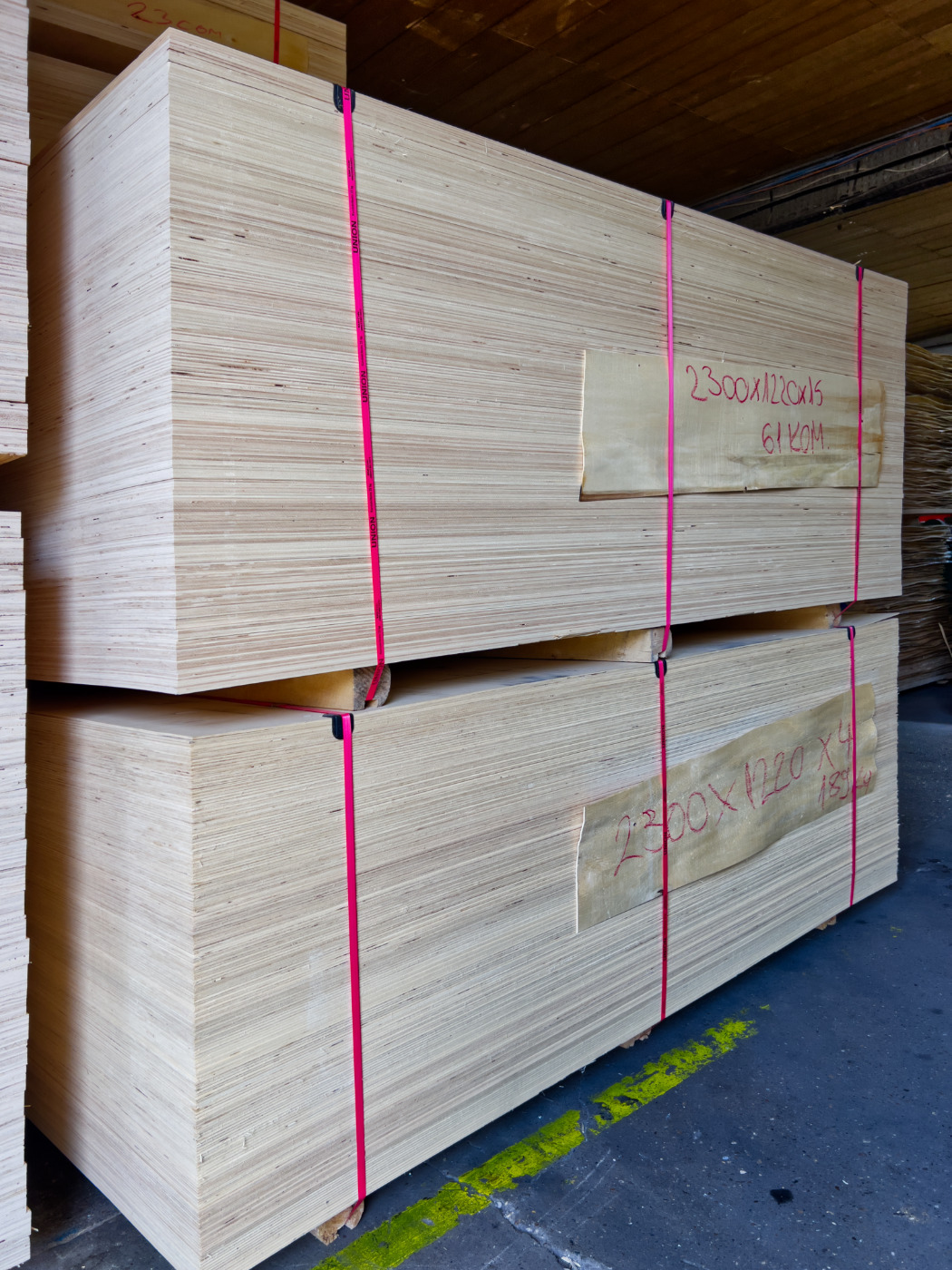
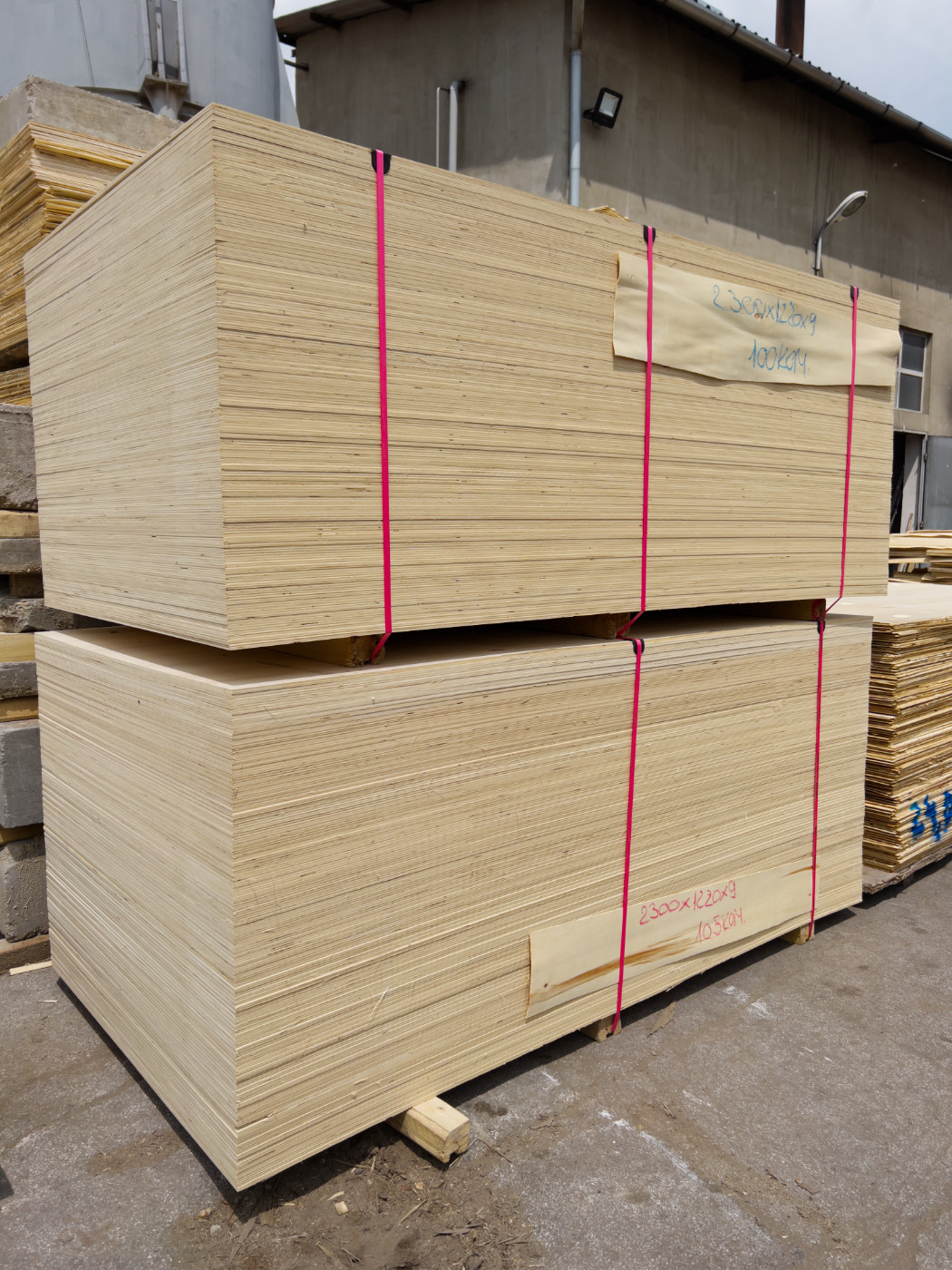
Each panel undergoes visual inspection, grading, and is carefully packaged for delivery.

Stay Updated with Our Product Range

Subscribe to receive occasional updates about our product range, technical improvements, and news from Demka Trade’s plywood production.