Proizvodnja tolopovog furnira u Demka Trade doo Kanjiža

Complete Production Process – From Log to Finished Panel, with Full Quality Control at Every Stage.

Poplar Plywood Production

Our production of EPAL Euro pallets represents a combination of tradition and modern technology. From carefully selected poplar wood to the finished product, every step of the process is precisely controlled to ensure pallets that meet the highest standards of quality and safety.

Production Process

Complete Production in One Place

Demka Trade LLC is an experienced company in the wood industry with over 20 years of presence on the Serbian market. We are particularly distinguished by our closed-loop production cycle – at our facility, the entire process takes place continuously, from the delivery of logs and veneer production to the final plywood and related products.

Thanks to our skilled personnel, modern equipment, and a reliable raw material supply chain, we ensure consistent large-scale production. All production stages are accompanied by strict quality control measures, resulting in uniform product quality and process continuity. This commitment has enabled us to earn the trust of numerous clients both domestically and internationally.

Detailed Overview

Efficient and Sustainable Production

Modernized material flow, automation, and wood waste recycling ensure maximum resource utilization.

Experience That Builds Trust

With over 20 years of experience and a presence in both domestic and international markets, we have become a reliable partner in the wood industry.

Advantages of Poplar as a Raw Material

Poplar (Populus) is a strategic raw material for our plywood due to its unique properties and sustainability.

Fast growth and renewability: Poplar is among the fastest-growing tree species in our region and yields the highest volume of wood mass. Plantation-grown poplar clones (such as the renowned Italian clone I-214 and domestic clones M1 and Robusta) reach harvestable size in just 10–15 years, while offering high disease resistance.

Physical characteristics: Poplar wood is relatively soft and light (density ~0.4 g/cm³), making veneer peeling and drying easier. While individually less strong than hardwood, laminated poplar furnishes a strong and stable panel, as veneer lamination enhances the mechanical properties of the panel compared to solid wood.

Ecological and economic advantages: As a rapidly renewable species, poplar is a more affordable and faster available raw material than traditional species (e.g., beech), making it ideal for plywood production. Furthermore, poplar plantations help conserve more valuable, slow-growing species—by using poplar for plywood, the need for scarce timber is reduced.

Poplar plywood is lightweight yet strong; it is known for its moisture resistance and dimensional stability, which makes it highly sought after across various industries (furniture, construction, shipbuilding, transport packaging, etc.).

It is undeniable that size is an important factor in business.

We are the largest plywood manufacturer in Southeast Europe.

Logistics and Raw Material Delivery

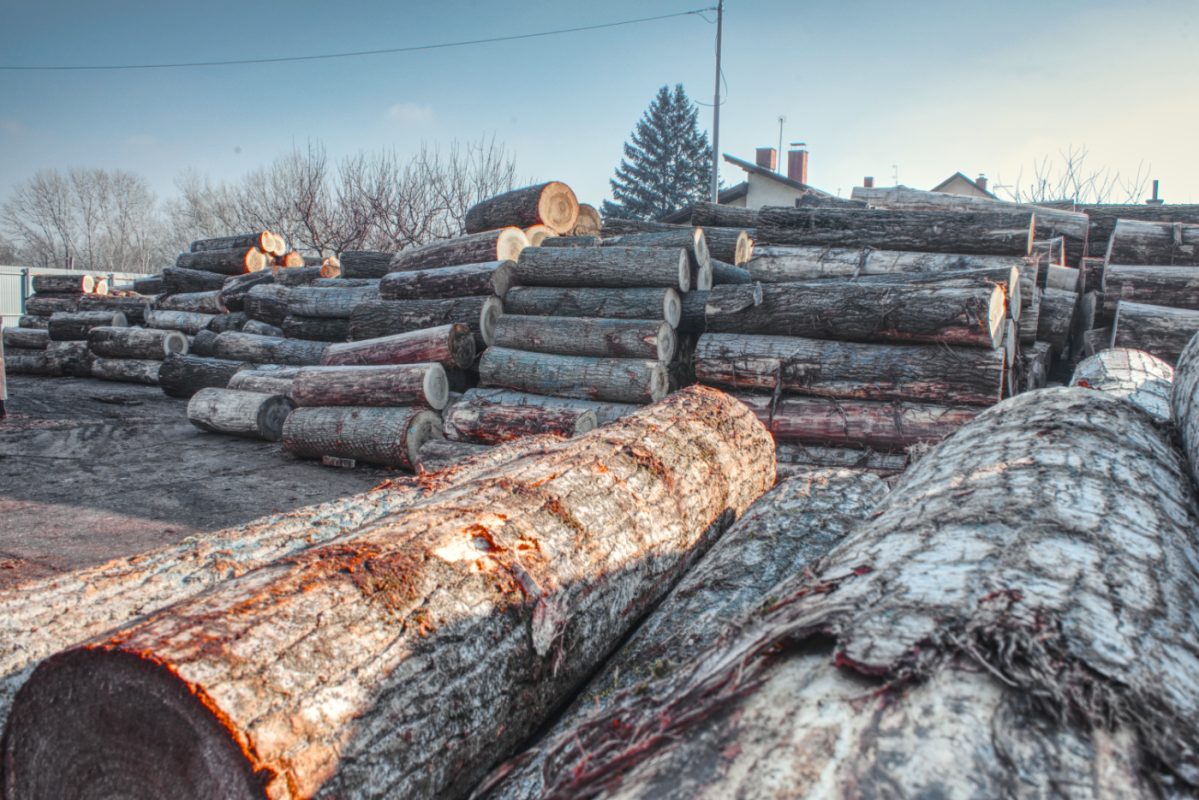
Efficient log delivery logistics is a crucial part of our closed-loop process. The main raw material, poplar logs, is transported by river along the Tisa River. We use our own river barges to deliver large quantities of roundwood to our temporary dock. This type of transport is extremely economical and environmentally friendly, consuming about 80% less fuel compared to road or rail transport, while also being safer for the cargo (no damage from rough terrain or road conditions).

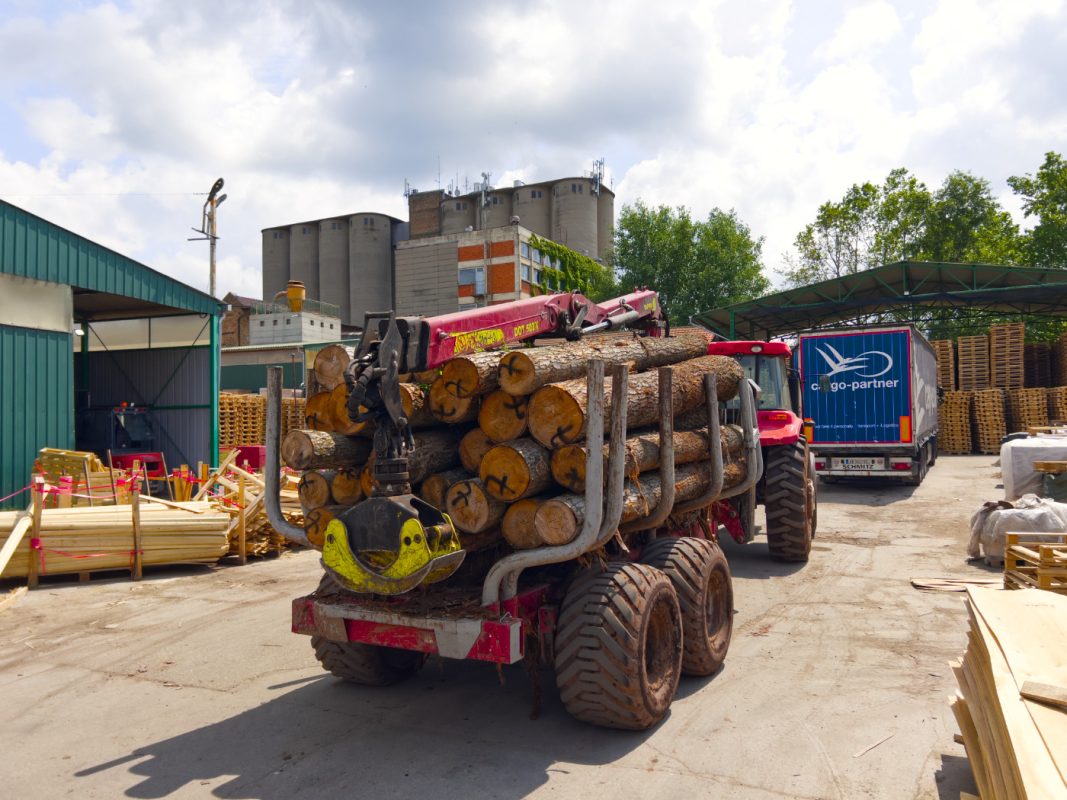
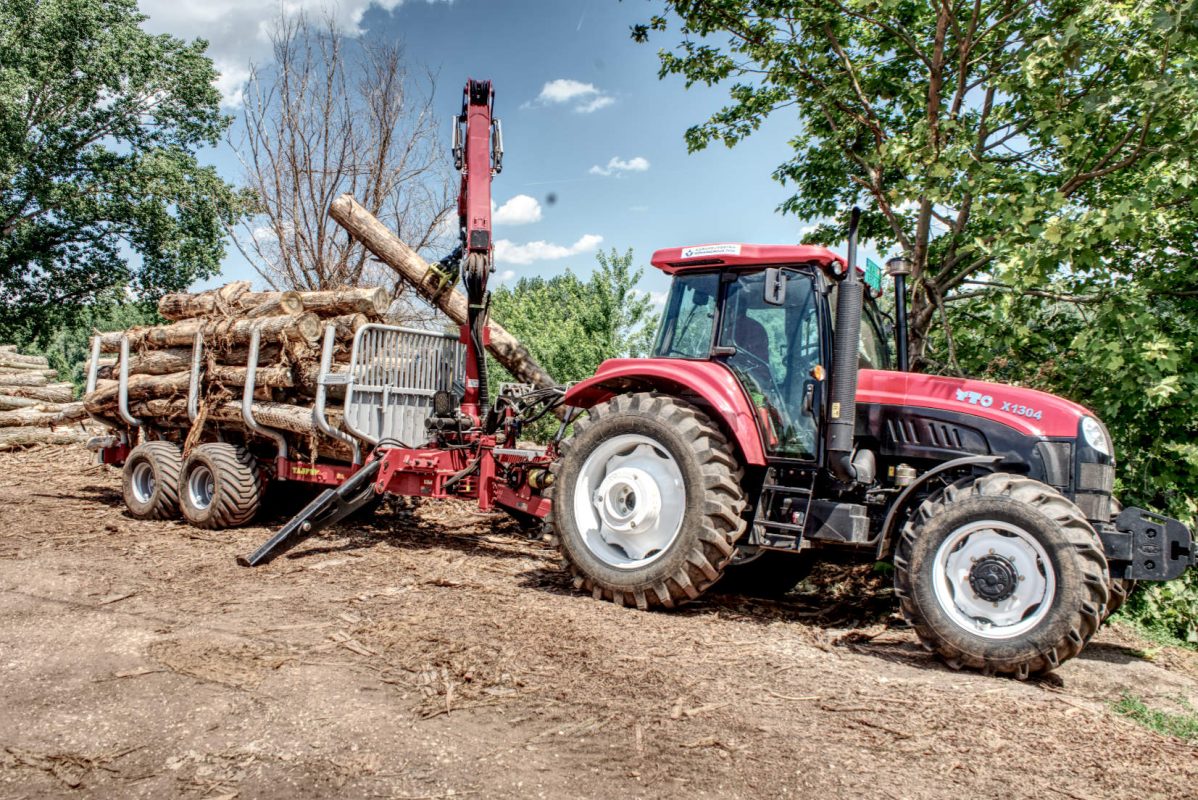
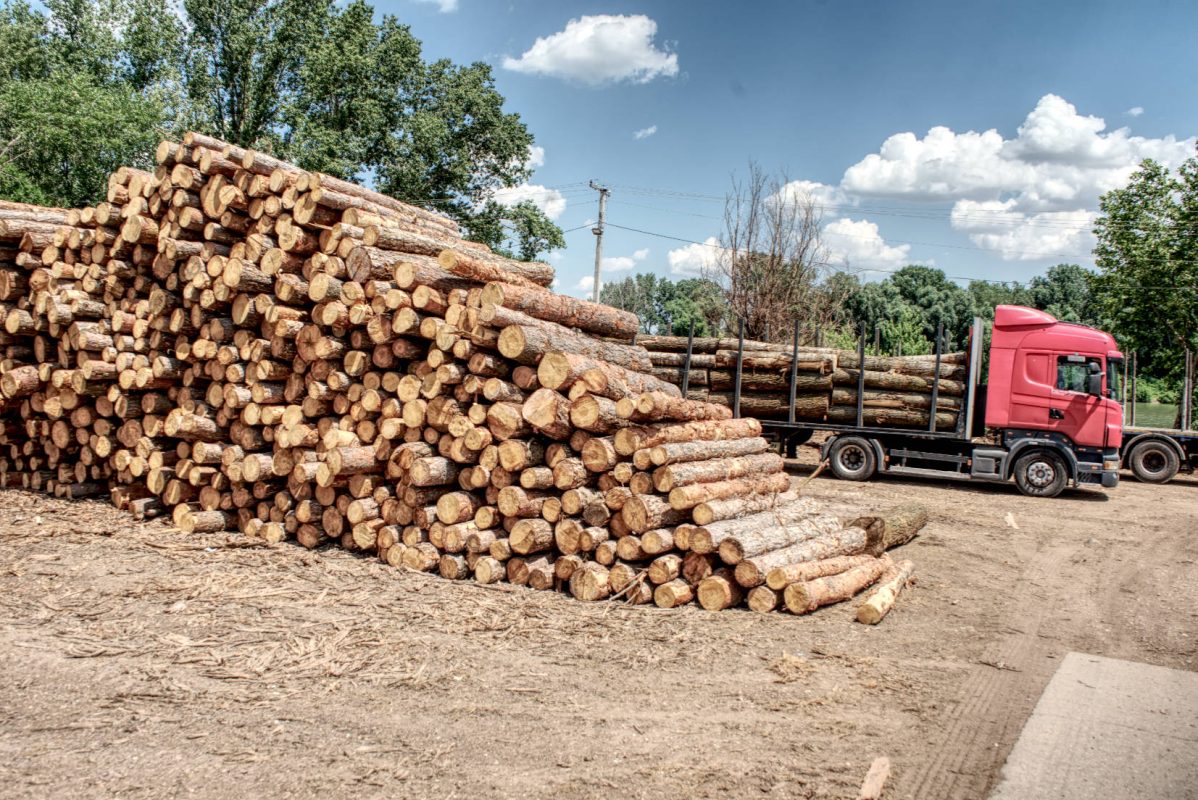
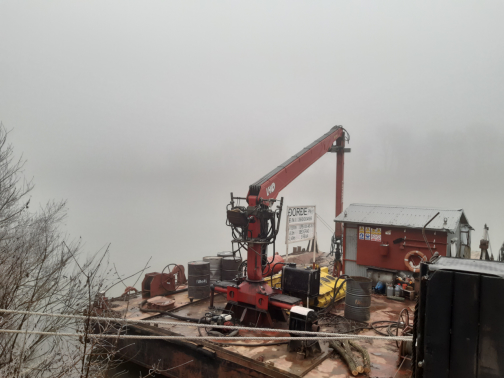
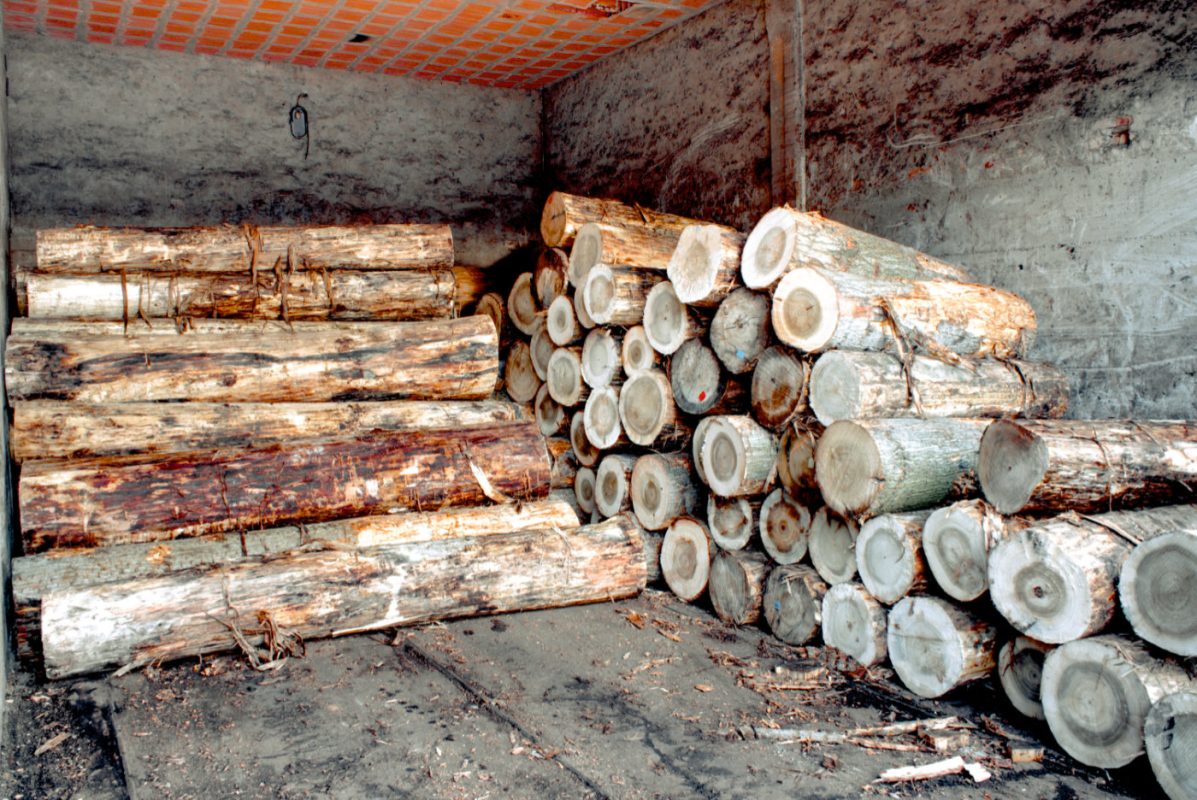
Upon barge arrival, we perform log unloading using floating cranes (special water cranes). Logs are lifted from the barge and placed at a temporary transfer site near the shore. From there, we use powerful Ursus forestry tractors, equipped with timber cranes, to move the logs to the main raw material storage area.

Our vehicle fleet includes three Ursus tractors (models 1604, 1614, and 1214), which are robust enough for heavy logs—living up to the name Ursus (Latin: “bear”). With organized internal logistics, we ensure that all logs are quickly unloaded, sorted, and delivered to production without any workflow interruptions.

Primary Log Processing

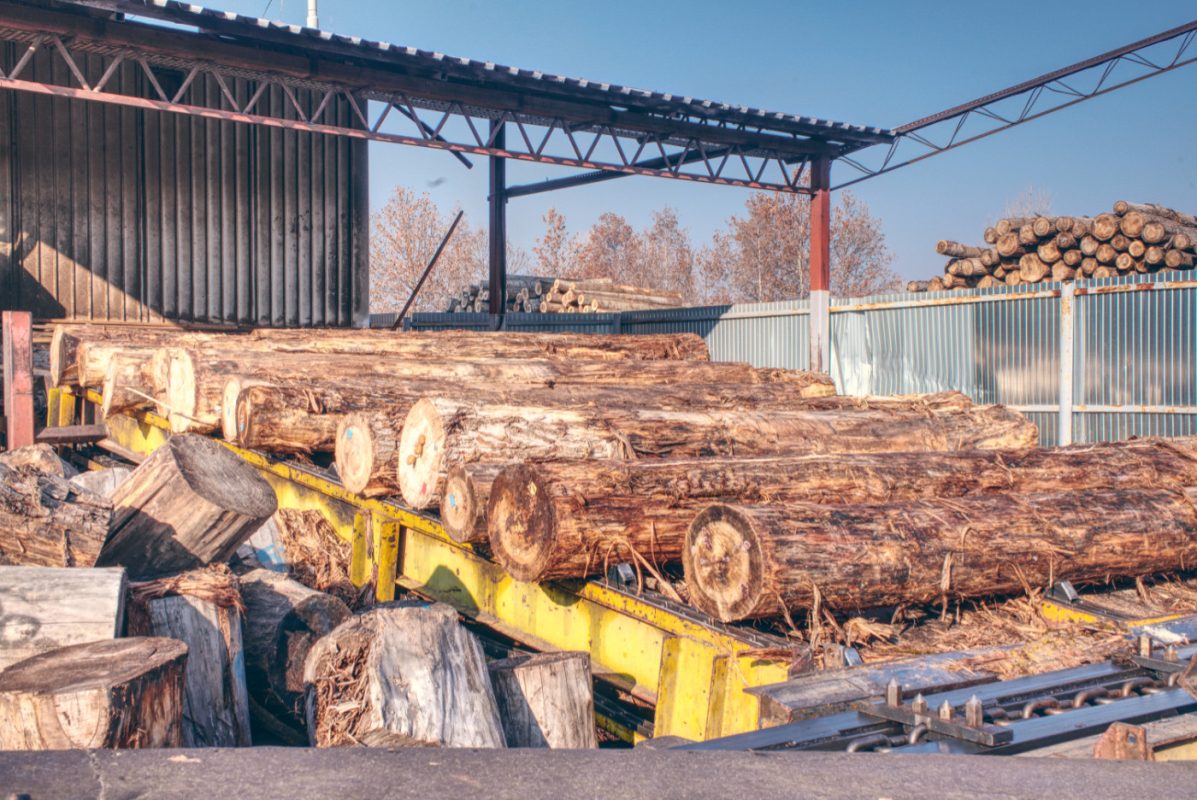
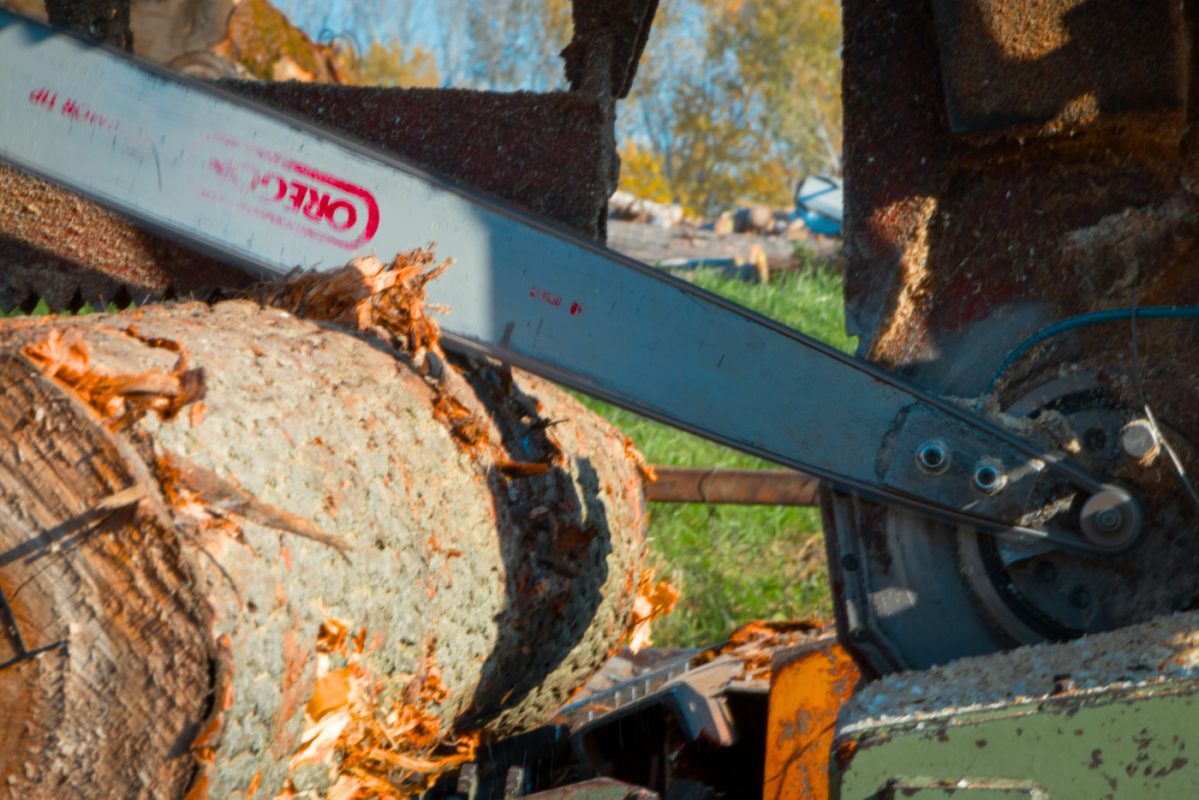
Before entering the veneer production line, poplar logs undergo primary processing to ensure optimal raw material utilization. The first step is cutting logs to length, also known as cross-cutting, where the trunk is sawn to the required lengths according to the production plan (e.g., lengths suitable for veneer peeling or sawn timber). The operator carefully combines available log lengths and diameters to minimize waste.

Each log is then visually inspected and selected. Logs with major defects or damage are excluded from further processing, while the rest are sorted by quality and diameter. The best, straight logs without major knots are selected for high-quality veneer, while lower-grade logs are redirected for pallet component production.

The goal of all these operations is optimal raw material utilization, as each roundwood log should yield the maximum amount of usable material, thus increasing production efficiency. This focus on utilization is crucial, since the yield percentage directly impacts the overall plant’s financial performance.

Veneer Production

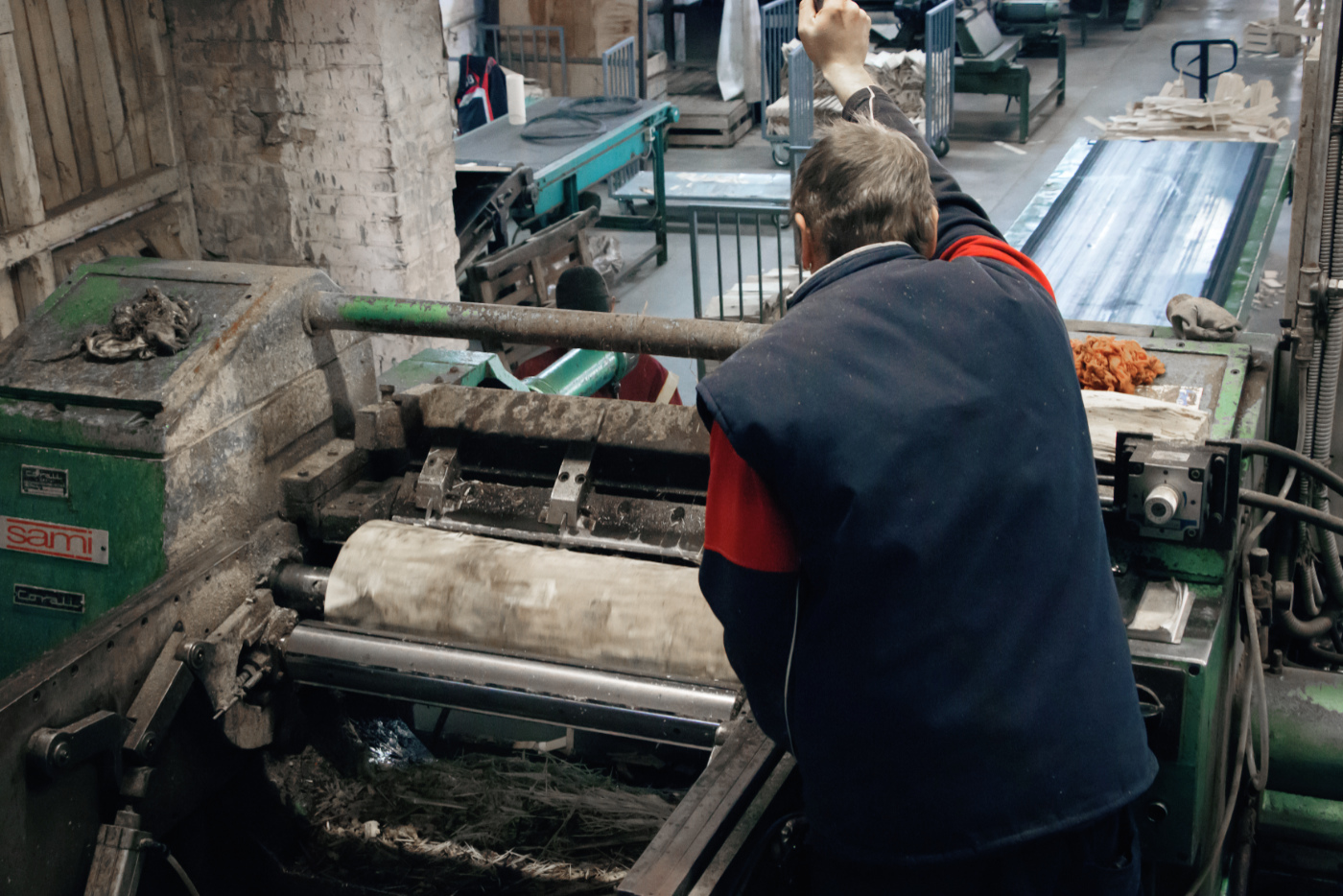
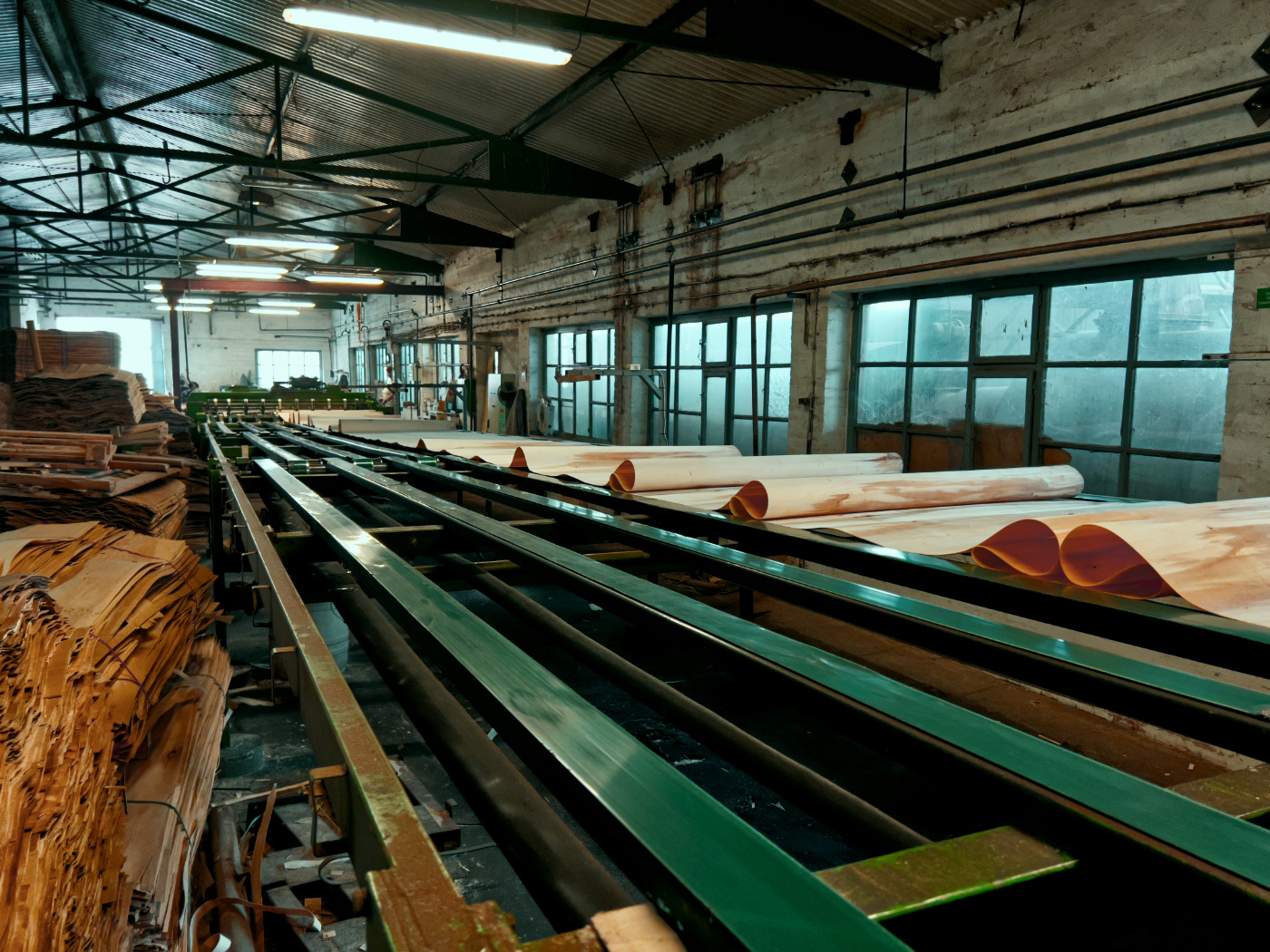
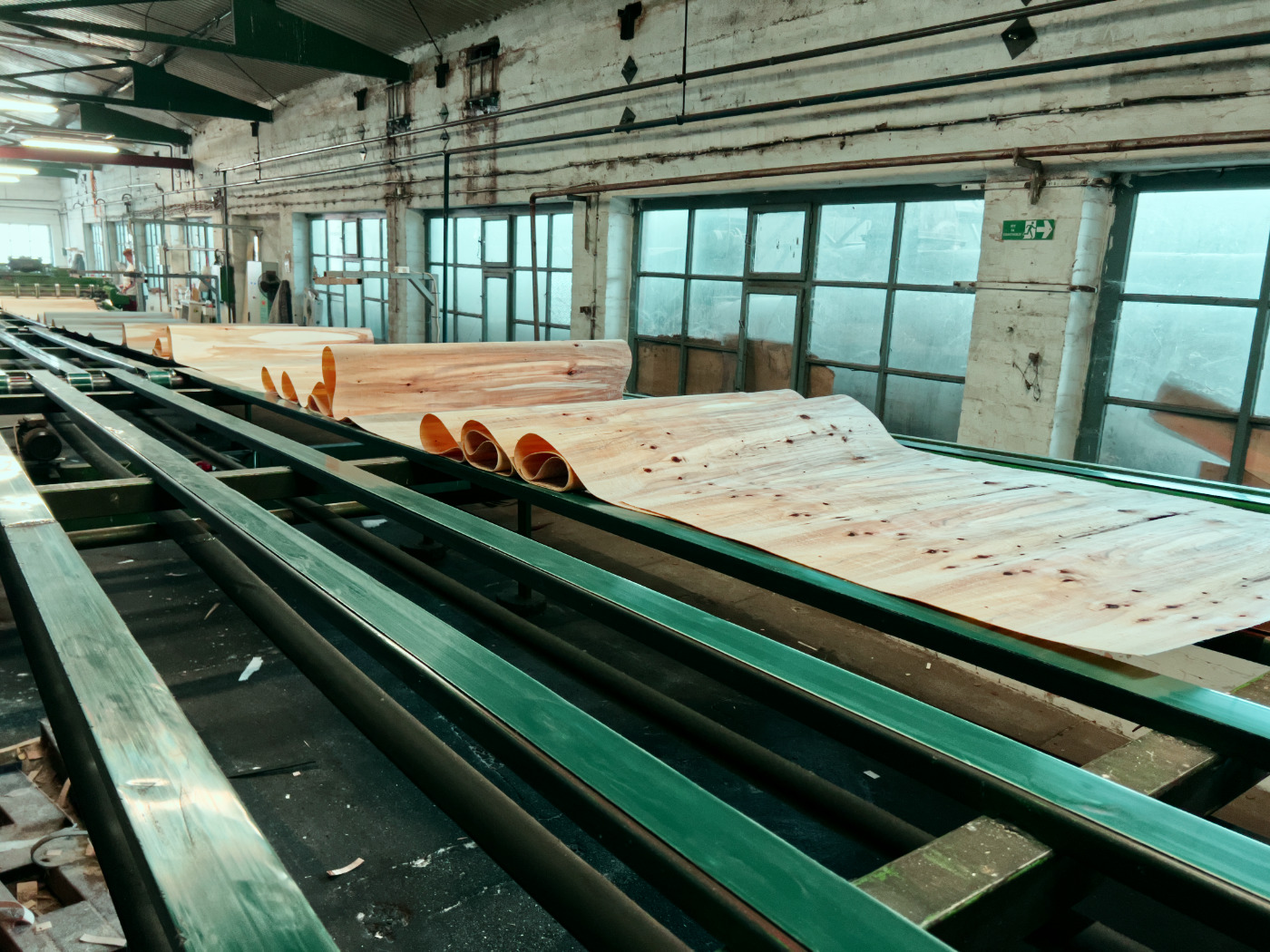
Once the logs are prepared, the process moves on to veneer peeling. The logs are first debarked to remove the bark and impurities. The entire log is then placed into a rotary lathe (peeling machine), where, by rotating the log and using a knife, a thin layer of wood is continuously shaved off in the form of a wide veneer ribbon.

The peeling process is precisely adjusted to produce veneer of a specific thickness, ranging from approximately 1.5 mm up to 4 mm, depending on customer requirements. The resulting veneer ribbon is cut into sheets of suitable width and length. The so-called green (wet) veneer contains a very high moisture content and must be dried before further use.

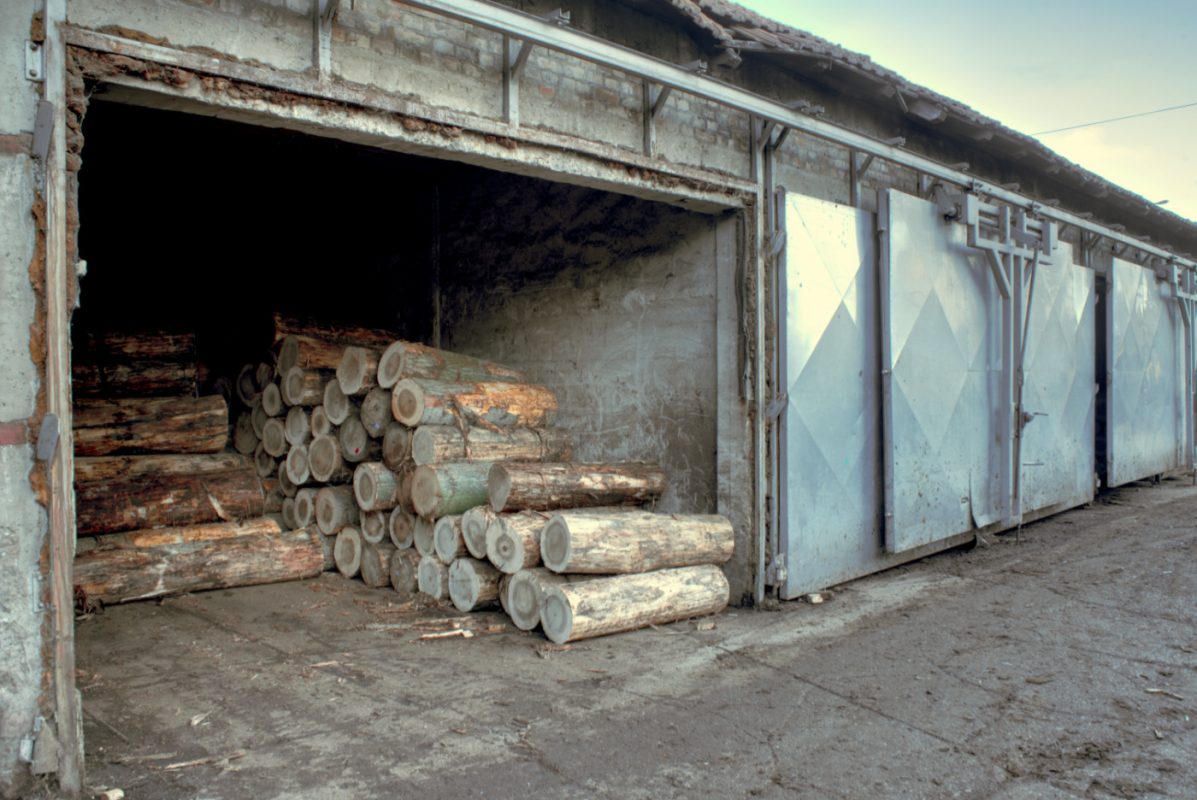
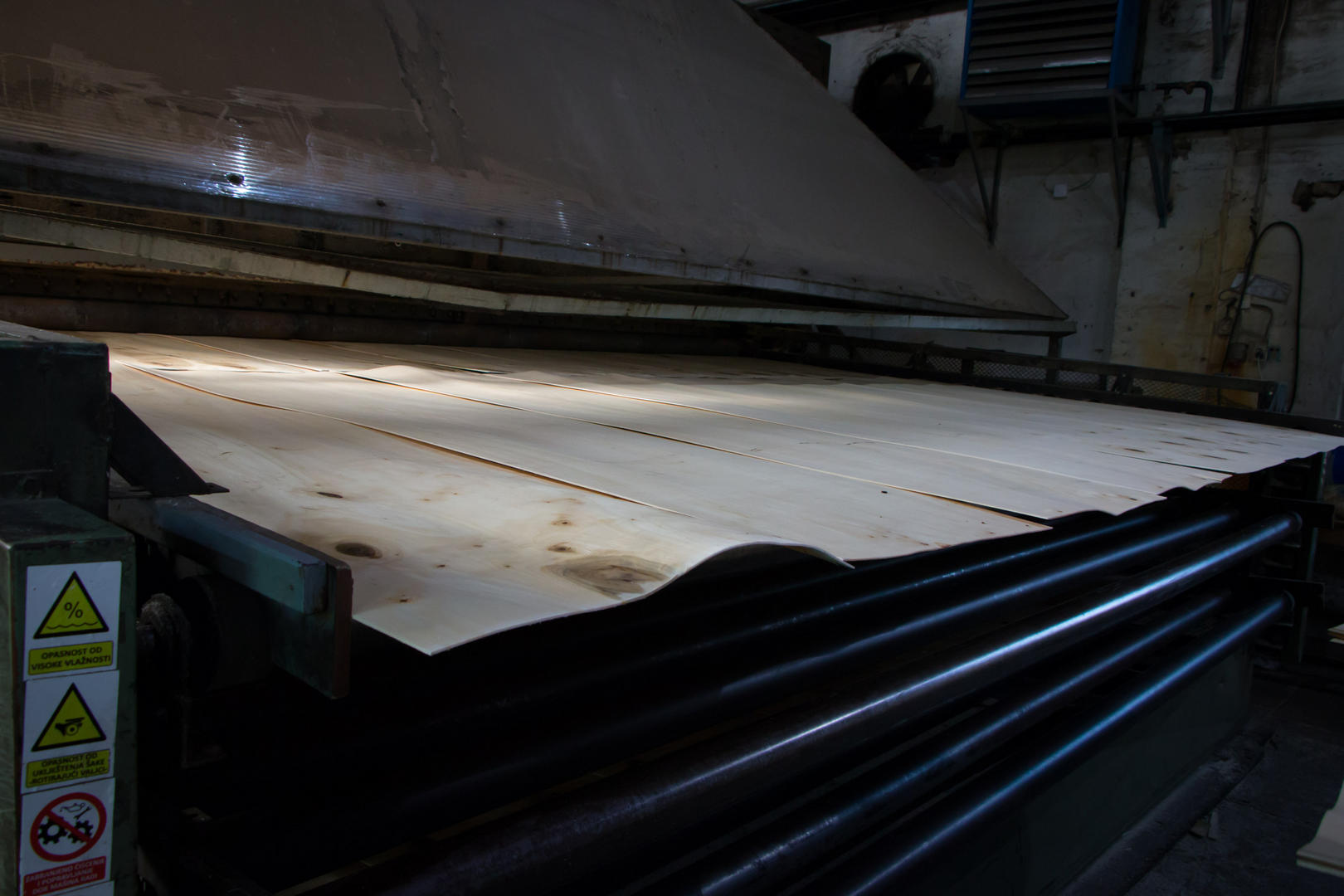
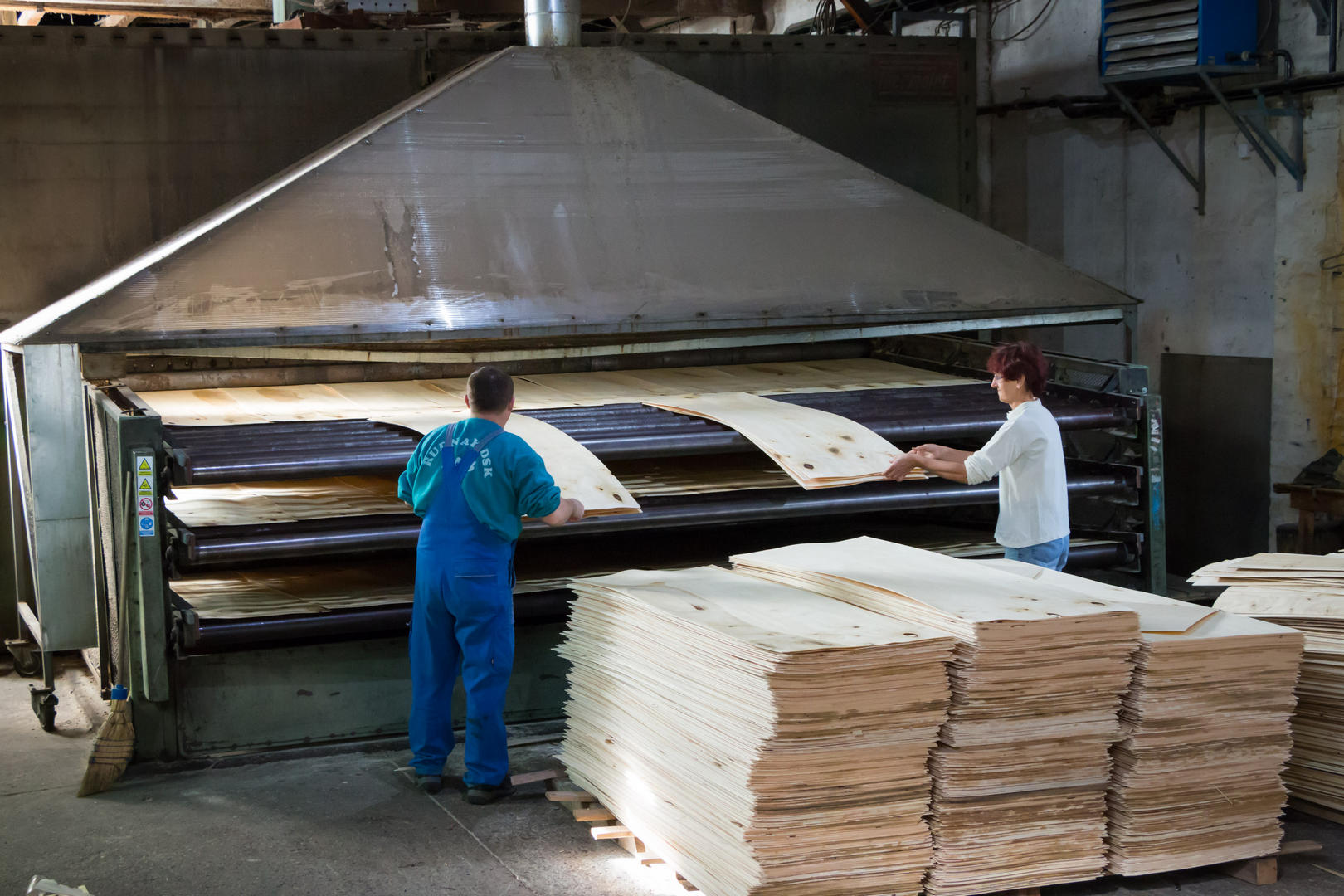
Veneer drying is carried out in our dryers—we use two types: continuous (through-feed) dryers, where the veneer sheets travel on conveyors through streams of hot air, and multi-deck (chamber) dryers, where sheets are dried in layers on shelves. By combining these two technologies, efficient drying to a target moisture content of about 6–12% (typically ~10%) is achieved, which is optimal for further processing. Drying time and temperature are carefully controlled, as dryers are the largest energy consumers in the production process and are critical for veneer quality.

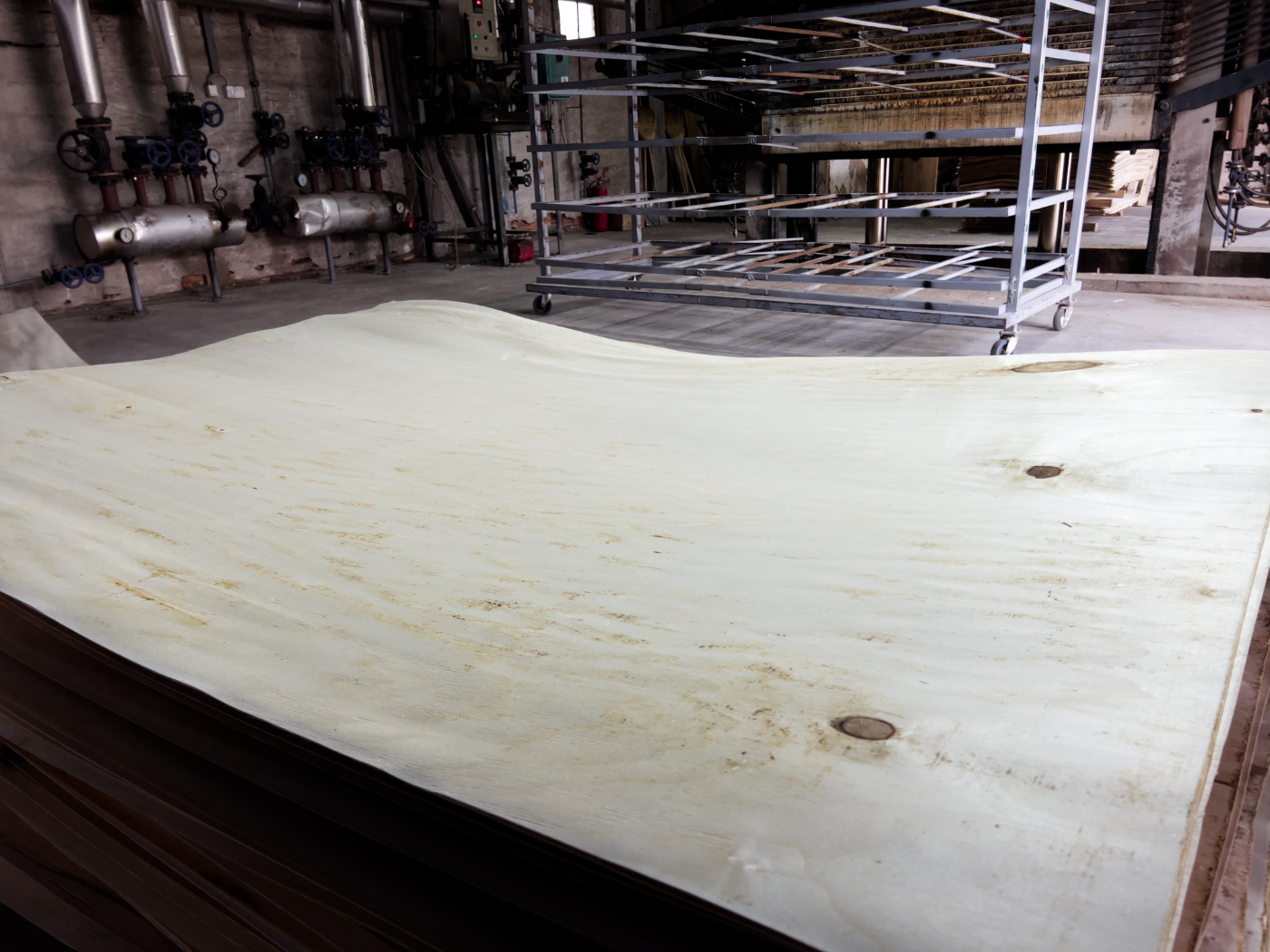
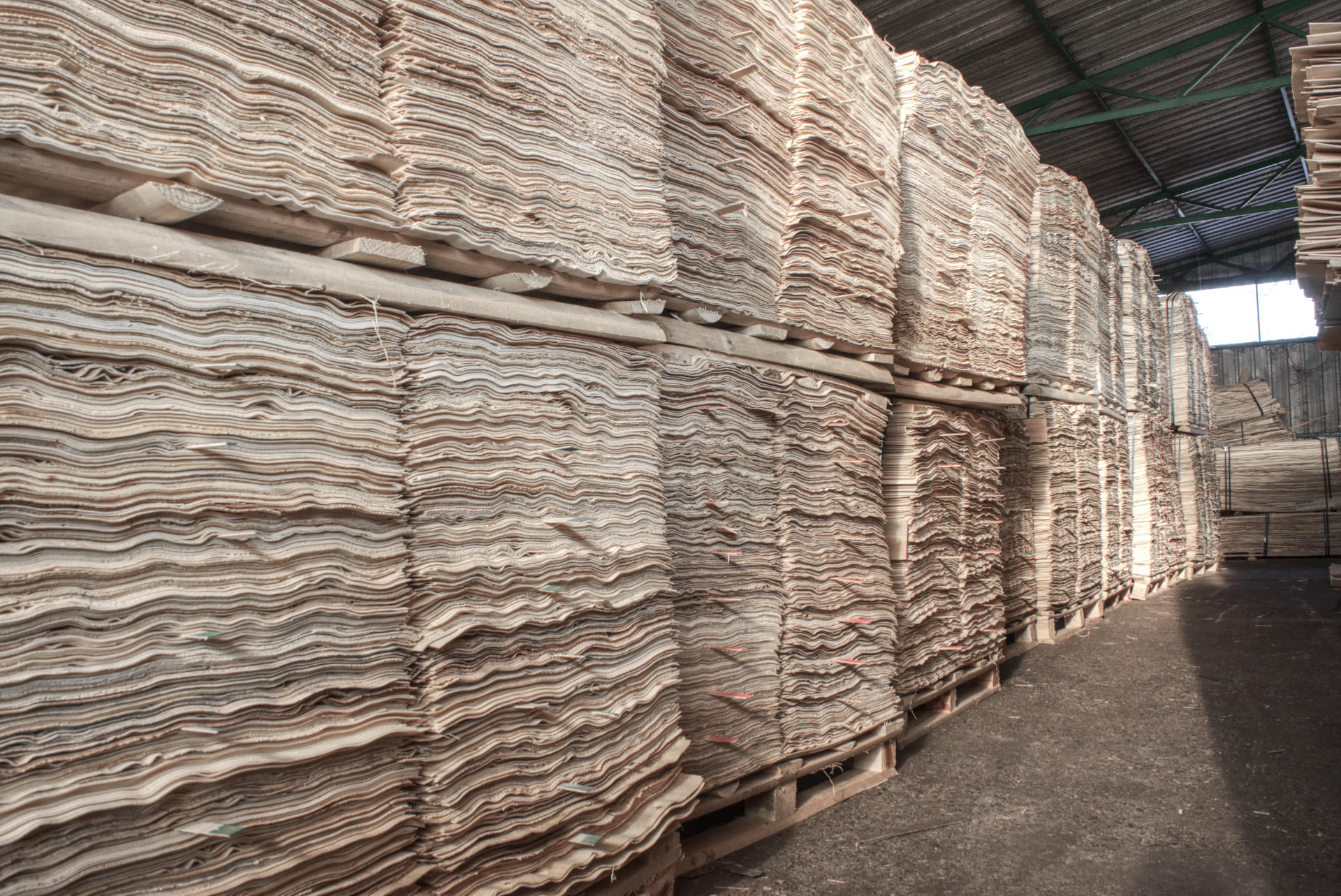
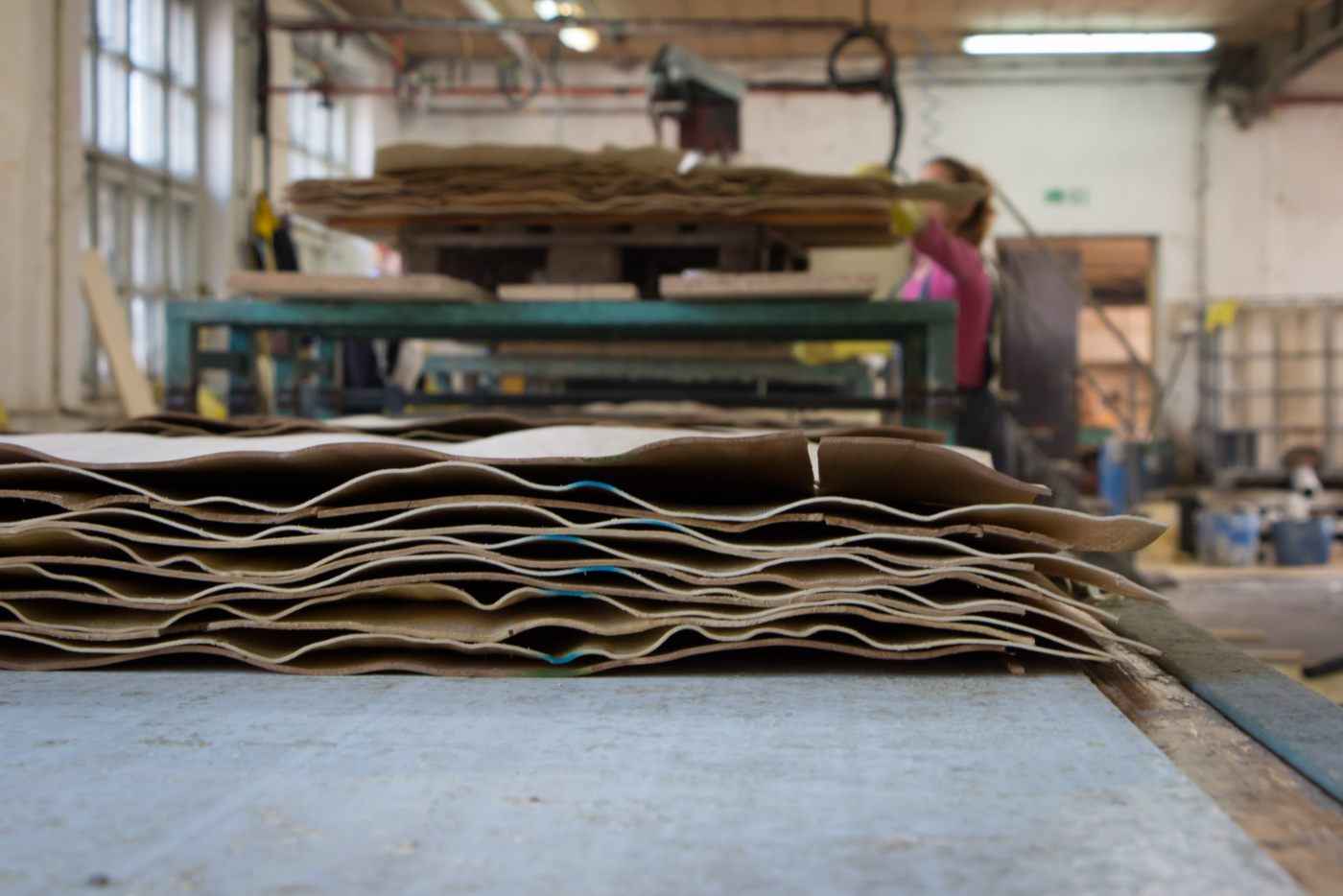
The dried veneer (technically dry, ready for bonding) then undergoes sorting and quality control. Sheets are sorted according to quality grade, thickness, and appearance: any defects on the veneer face are removed by sorting or patching. Smaller veneer pieces may be joined into larger sheets to maximize material utilization. In this way, we obtain a set of prepared veneers of the required dimensions and quality, ready for plywood assembly. Every step in the veneer production process is carefully monitored to maintain the highest level of quality, as confirmed by our veneer quality certificates.

Panel (Sandwich) Assembly

Plywood assembly begins once all required veneer sheets of different grades are prepared (typically, higher-grade veneers are used for the face layers, while lower-grade veneers are used for the core).

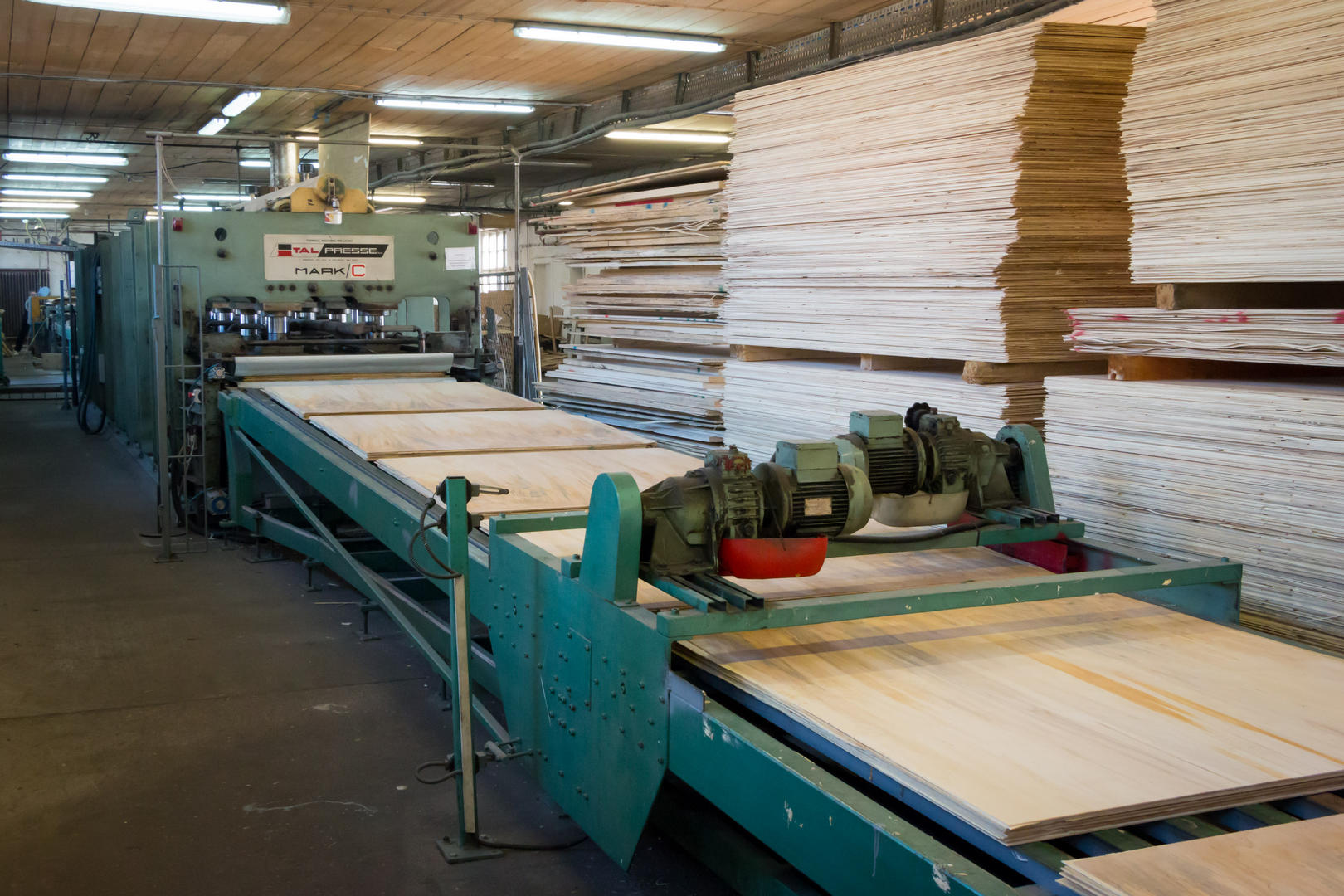
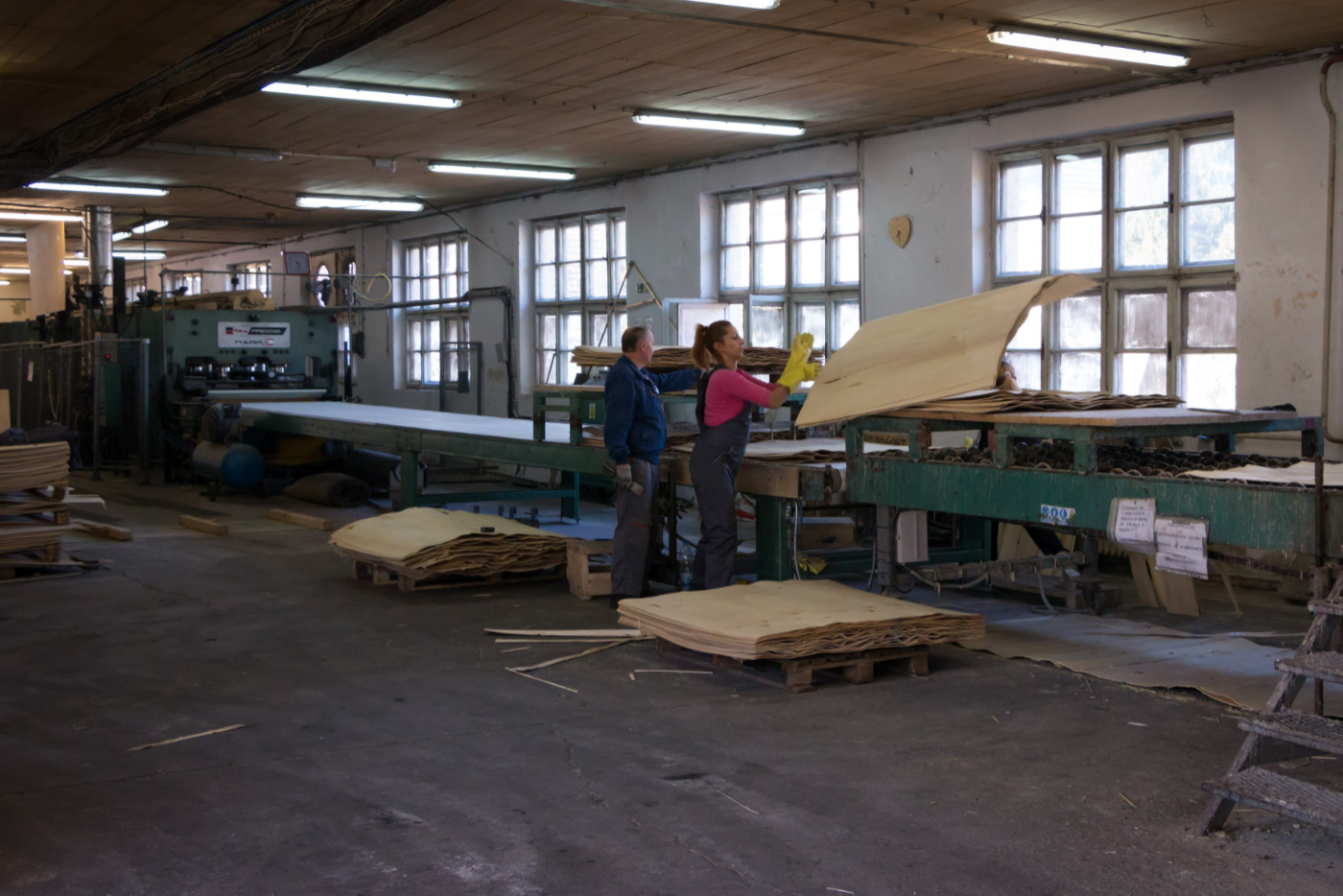
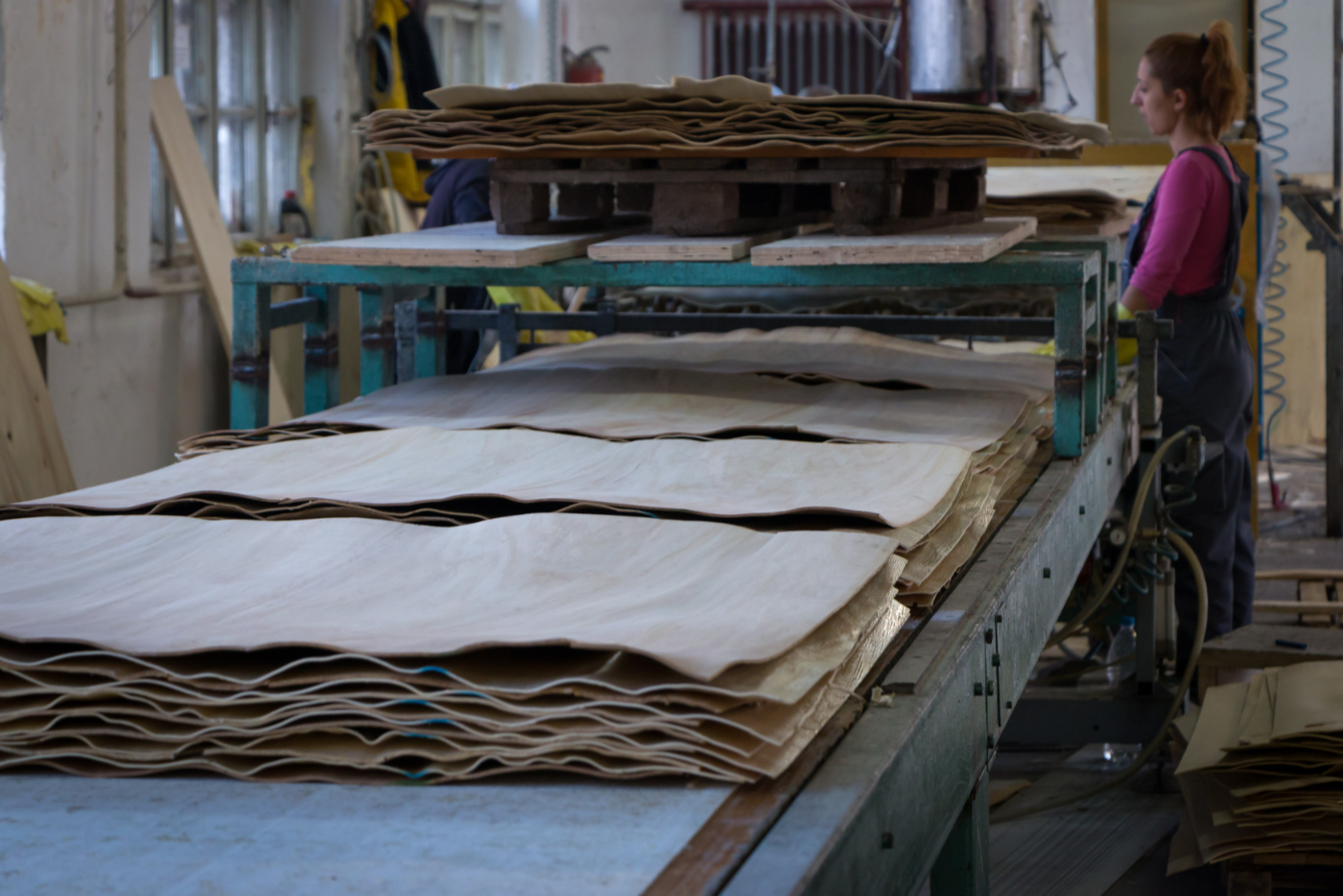
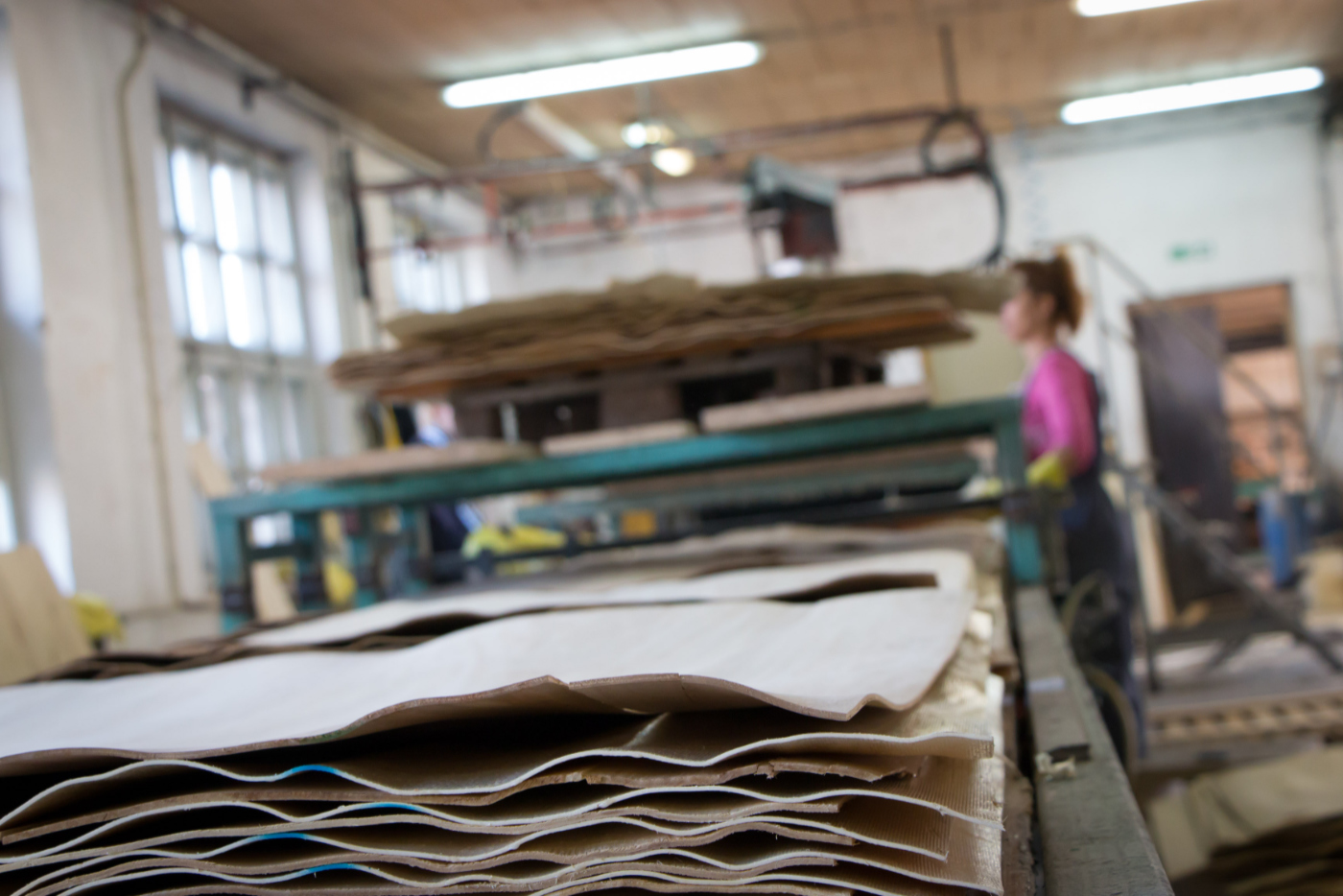
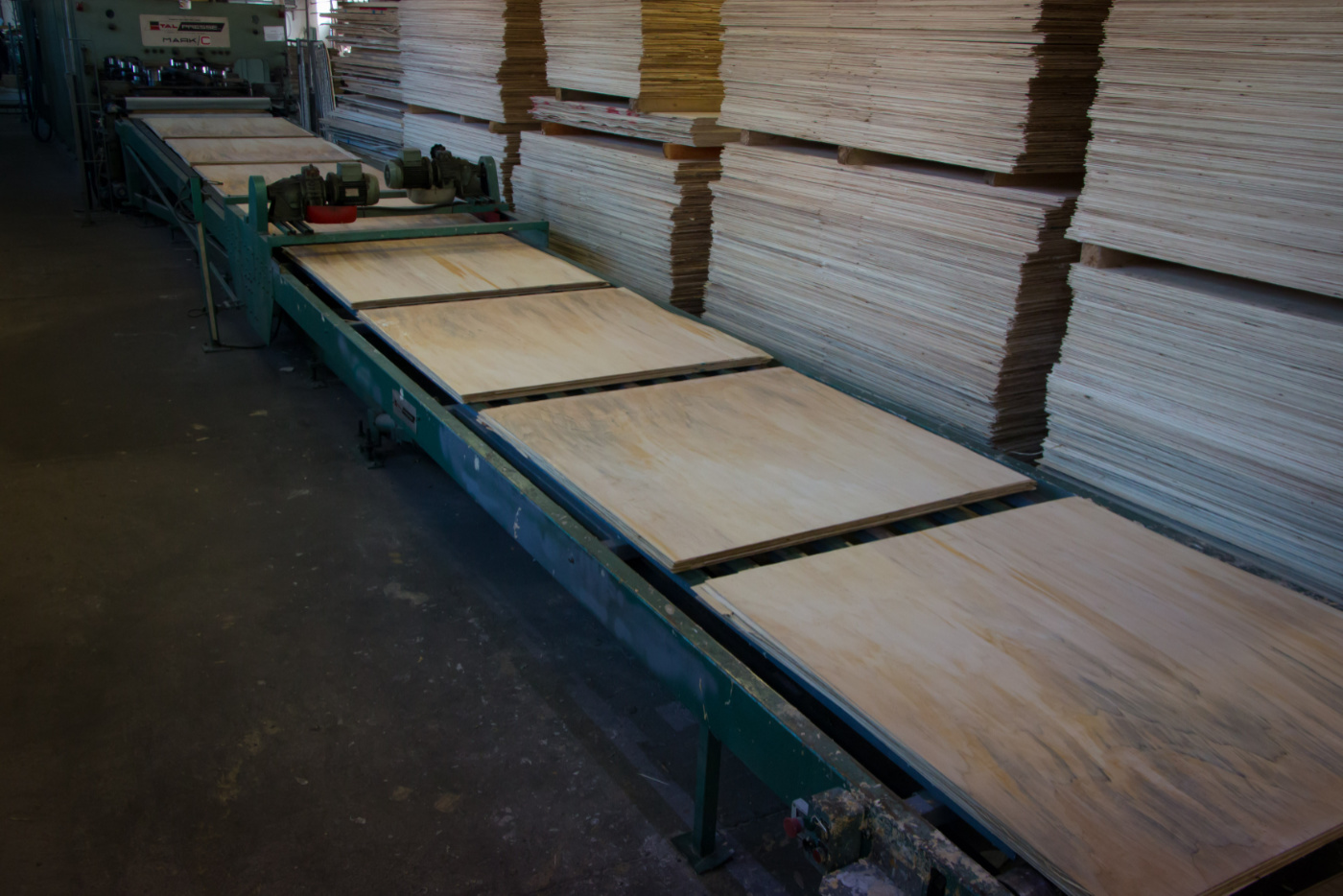
On a specialized table measuring 12 meters in length and 1.4 meters in width, the veneer “sandwich” is formed. This table is equipped with an endless plastic and rubber conveyor belt running across its surface. The belt dimensions are identical to those of our press. The operator arranges veneer sheets alternating their grain orientation: one sheet lengthwise, then the next crosswise, and so on. Each sheet is glued before being topped with the next one (except for sheets intentionally left without glue for specific structural reasons).

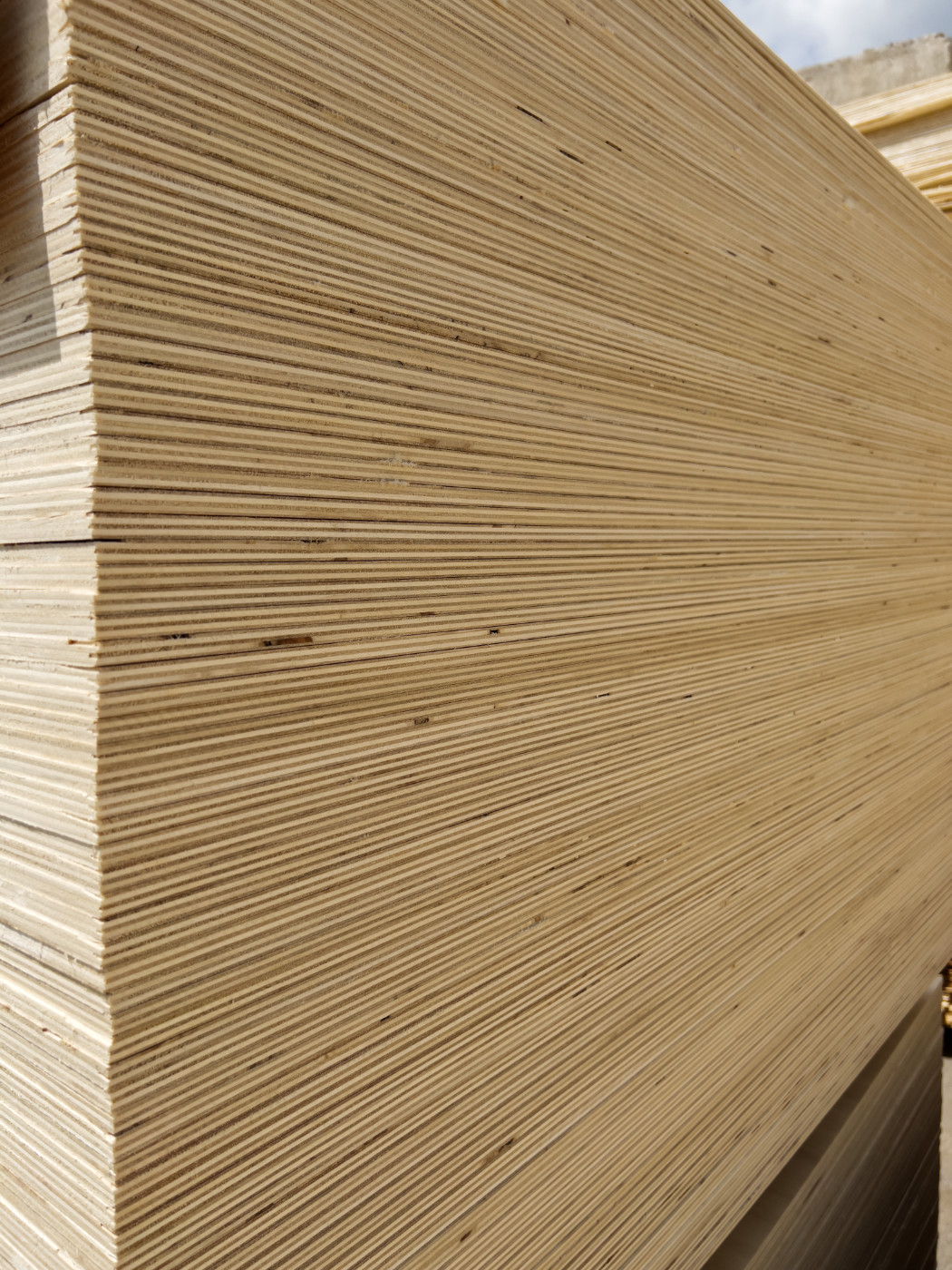
The key to producing quality plywood is that the layers are cross-oriented—usually at a right angle of 90°—which gives the panel strength in both directions and dimensional stability. The number of veneer layers in a single panel can vary according to the required thickness and intended use, but an odd number of layers is always formed for constructional symmetry (if an even number of layers is needed, the two central layers are placed parallel to each other to maintain a balanced structure). In practice, most plywood panels have 3, 5, or more layers.

During sandwich assembly, veneer quality is also taken into account: the cleanest sheets are placed on the outer faces (front and back of the panel), while inner layers may contain minor aesthetic imperfections. The adhesive we use is of high quality and meets ecological standards. In plywood production, we apply adhesives in accordance with the highest European standards—E1 and A1 categories (low formaldehyde emission and high water resistance). Each layer of adhesive is applied evenly, while the first and last veneer sheets remain dry (without adhesive) so that the edges of the finished panel have no glue leakage and the surface layers are clean. When the full “package” of veneer layers with the appropriate adhesive layers is assembled, the conveyor moves it to the pressing section.

Pressing and LVL Panels

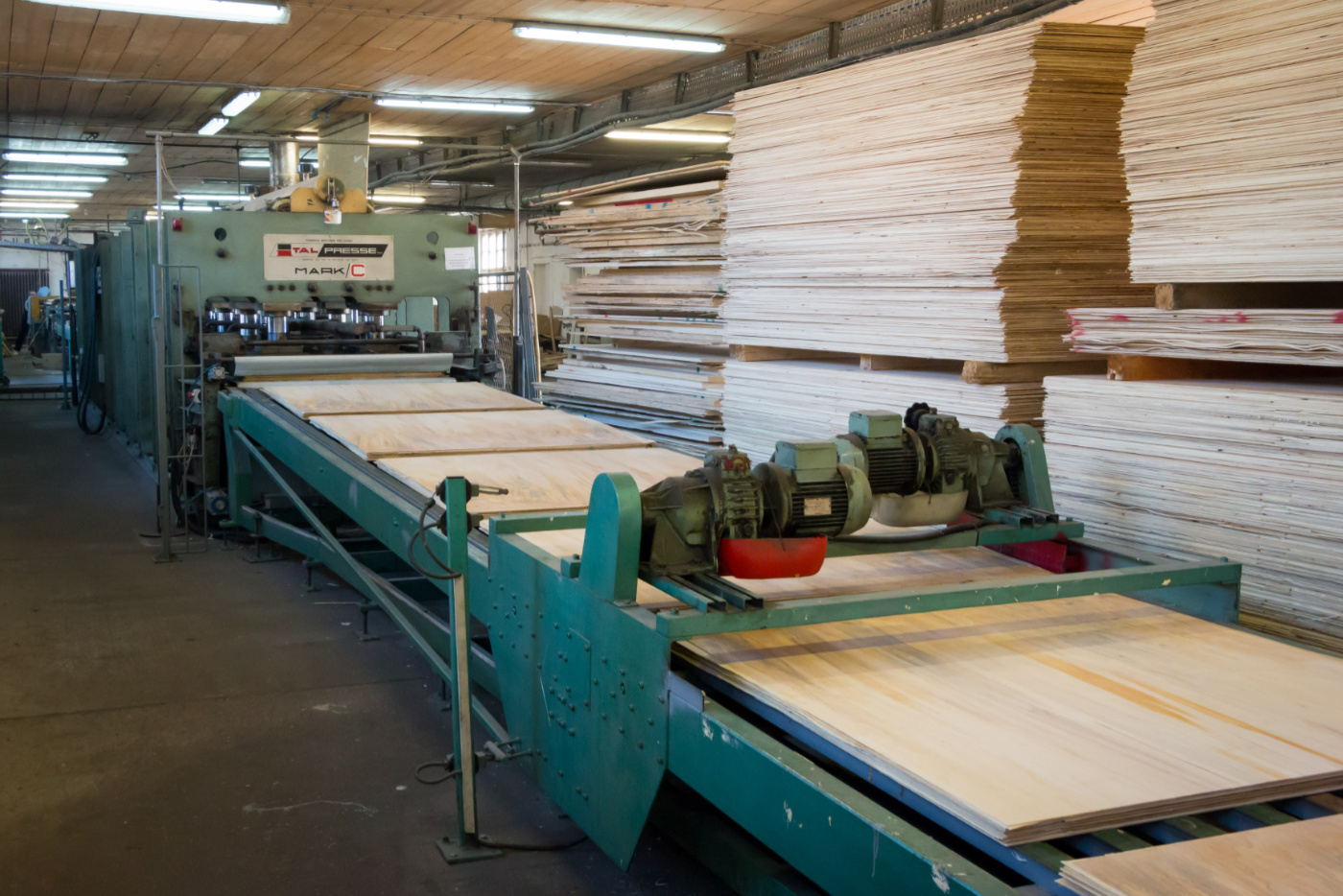
Plywood pressing: The assembled veneer “sandwich” is placed into a large-format hot hydraulic press. The press dimensions correspond to the size of the assembled package – the press platen measures 11.5 m long and 1.4 m wide, with a gap of 160 mm between the upper and lower plates.

Within the press, thermal compression takes place: under high temperature (~100–115 °C) and pressure, the adhesive begins to react (polymerize), permanently bonding the veneer layers into a single panel. The pressing process lasts long enough for heat to penetrate the core of the package, ensuring the adhesive reaches even the deepest veneer layers.

Our production line uses a single-level (“downstroke”) hot press. The massive steel platen exerts downward pressure on the stacked veneer package. Pressing parameters (temperature, time, pressure) are adjusted depending on panel thickness and type; temperatures can range from ~90°C for thinner/standard panels up to 145°C for special bonding types. The combination of pressure and heat causes partial compression of the veneer (resulting in elastic and plastic deformations). After pressing, the panel is slightly thinner than the sum of the input layers. This gives the plywood additional strength and brings its thickness to the precise nominal measurement. The panel exiting the press is a finished plywood sheet, still warm and slightly moist from the adhesive, and then proceeds to cooling and finishing stages.

LVL Panels

LVL (Laminated Veneer Lumber) panels: In addition to standard cross-laminated plywood, Demka Trade LLC also produces LVL panels according to customer requirements.

LVL is a special type of veneer panel constructed so that all veneer layers are oriented in the same direction, i.e., with parallel grain. This construction maximizes strength along one axis. LVL exhibits characteristics similar to solid wood but without its natural defects.

LVL Advantages: LVL is not limited by log dimensions (very long and wide elements can be produced by joining multiple layers), it has uniform quality (wood defects are mitigated across layers), and it offers very high load-bearing capacity relative to its weight. LVL ranks among the strongest structural wood materials in terms of strength-to-density ratio.

Our poplar LVL panel retains low weight and good workability while achieving significantly higher strength and elasticity along the grain direction.

LVL Applications: LVL is mainly used in construction and specialized structures – for load-bearing beams, columns, roof trusses (I-beams), floor reinforcements and inter-story structures, and even specialized uses such as components in transportation equipment.

LVL panels allow us to offer a product that can replace solid wood in demanding applications, while providing better raw material utilization and more predictable material behavior.

Cooling and Conditioning

After hot pressing, the new plywood panels are left to cool and condition before further finishing operations. This stage is critical for dimensional stabilization and relieving internal stresses within the panel. Panels are still warm after pressing, and both the wood and adhesive retain some residual moisture. If they were cooled abruptly or processed immediately, warping or cracking could occur. Therefore, each panel undergoes controlled cooling: it is stacked into a bundle and conditioned for 24 hours in a chamber or storage area, where it gradually cools in air. During this period, temperature and moisture equalize throughout the panel structure.

Conditioning ensures that the adhesive fully cures (polymerization completes even at room temperature) and the wood reaches its equilibrium moisture content, thereby preventing deformation, warping, and undesirable stresses in the finished panel.

After the cooling and conditioning process, the plywood panels are stable, flat, and ready for final finishing.

Final Finishing

Once the panels are conditioned, the process moves on to final operations that provide the plywood with its finished appearance and precise dimensions. Each panel first undergoes surface leveling and sanding. Leveling removes minor surface imperfections (e.g., glue marks or slight height differences between layers).

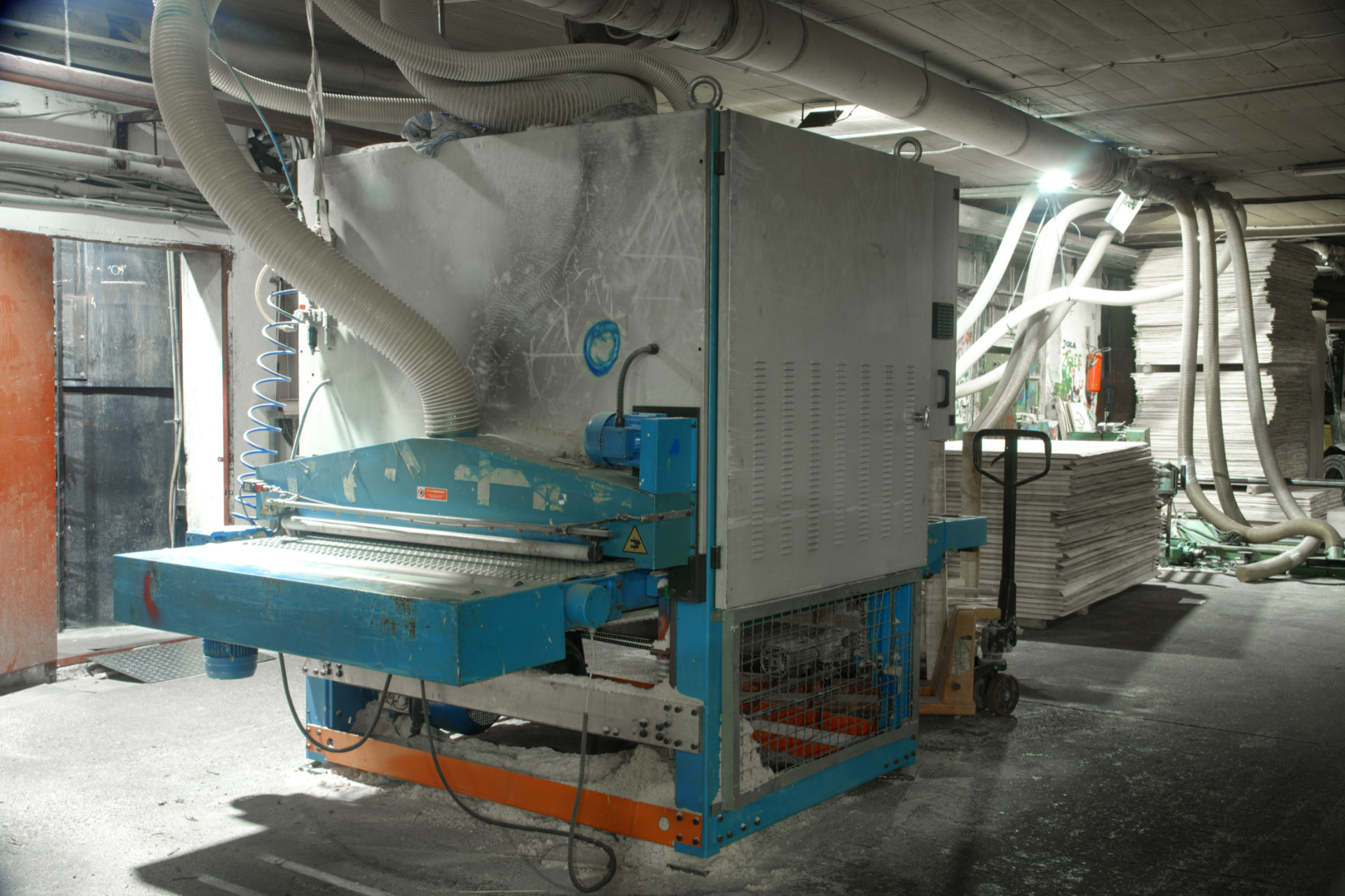
Calibration sanding is performed using modern wide-belt sanders that process both sides of the panel, achieving exact thickness and a smooth, fine surface. This sanding ensures high dimensional accuracy (minimal tolerances), which is essential for industrial applications.

The next operation is panel sizingcutting the edges to the required dimensions. Large raw panels are trimmed to standard sizes (e.g., 2500×1250 mm or customer-specific dimensions) with clean, straight cuts. After cutting, panel edges are smooth and square, ready for use or further processing. During this phase, surface repairs are performed if necessary—for example, minor defects on the face or back (such as small knots or cracks) can be filled or patched with veneer plugs to improve appearance.

After finishing, each panel undergoes a final visual quality inspection. Based on surface appearance (presence or absence of defects, color uniformity, wood structure) and general characteristics, the panel is assigned a quality grade and sorted into a specific quality class (e.g., B/B, B/C, C/C according to industry standards). This guarantees the customer the declared level of quality.

Thanks to careful finishing procedures, our plywood panels have smooth edges and a fine surface texture, and each finished product meets the required quality standards. Finally, panels are marked (via printing or labels with specifications, serial numbers, and indications for interior/exterior use), making the product fully ready for delivery.

Packing and Material Flow

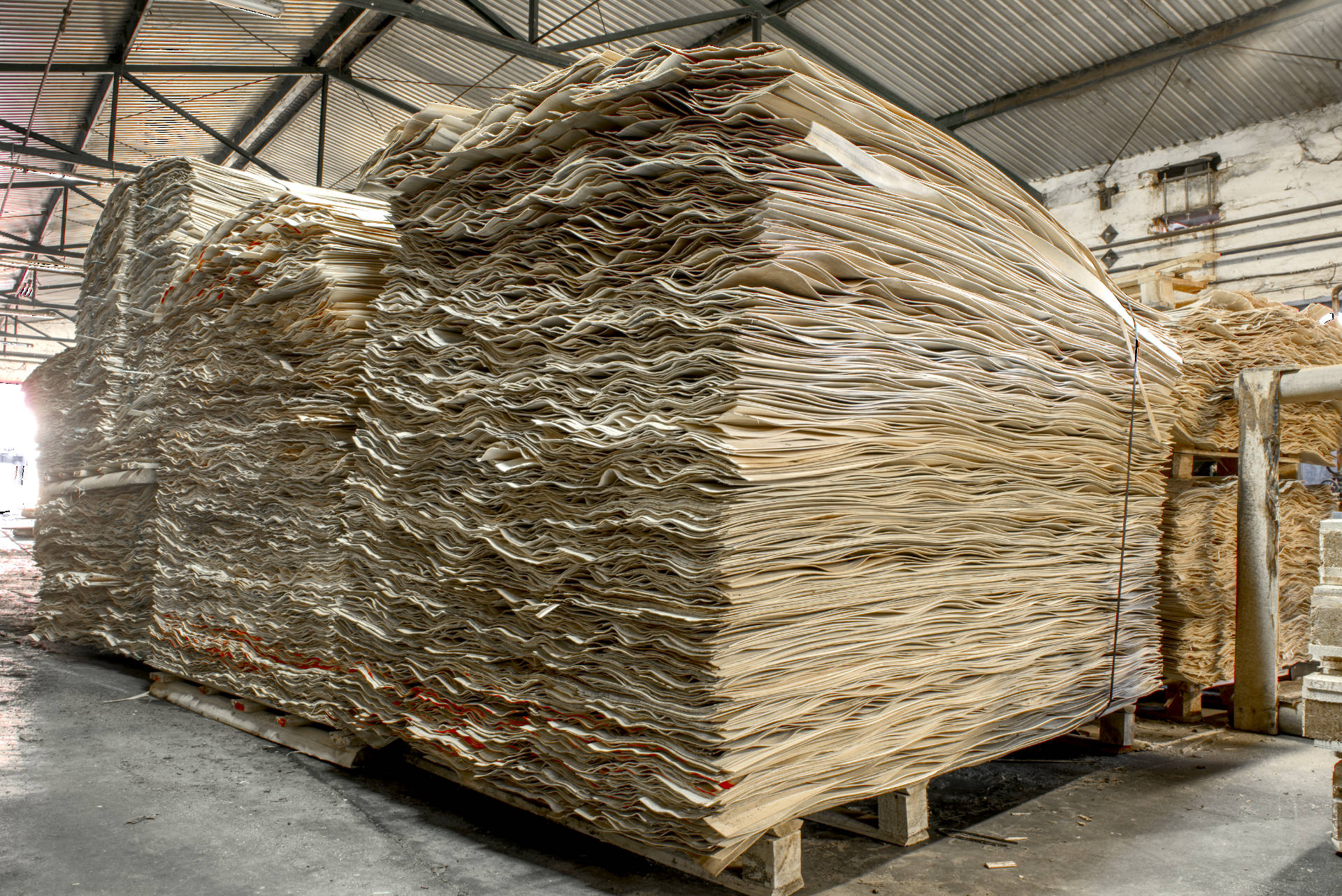
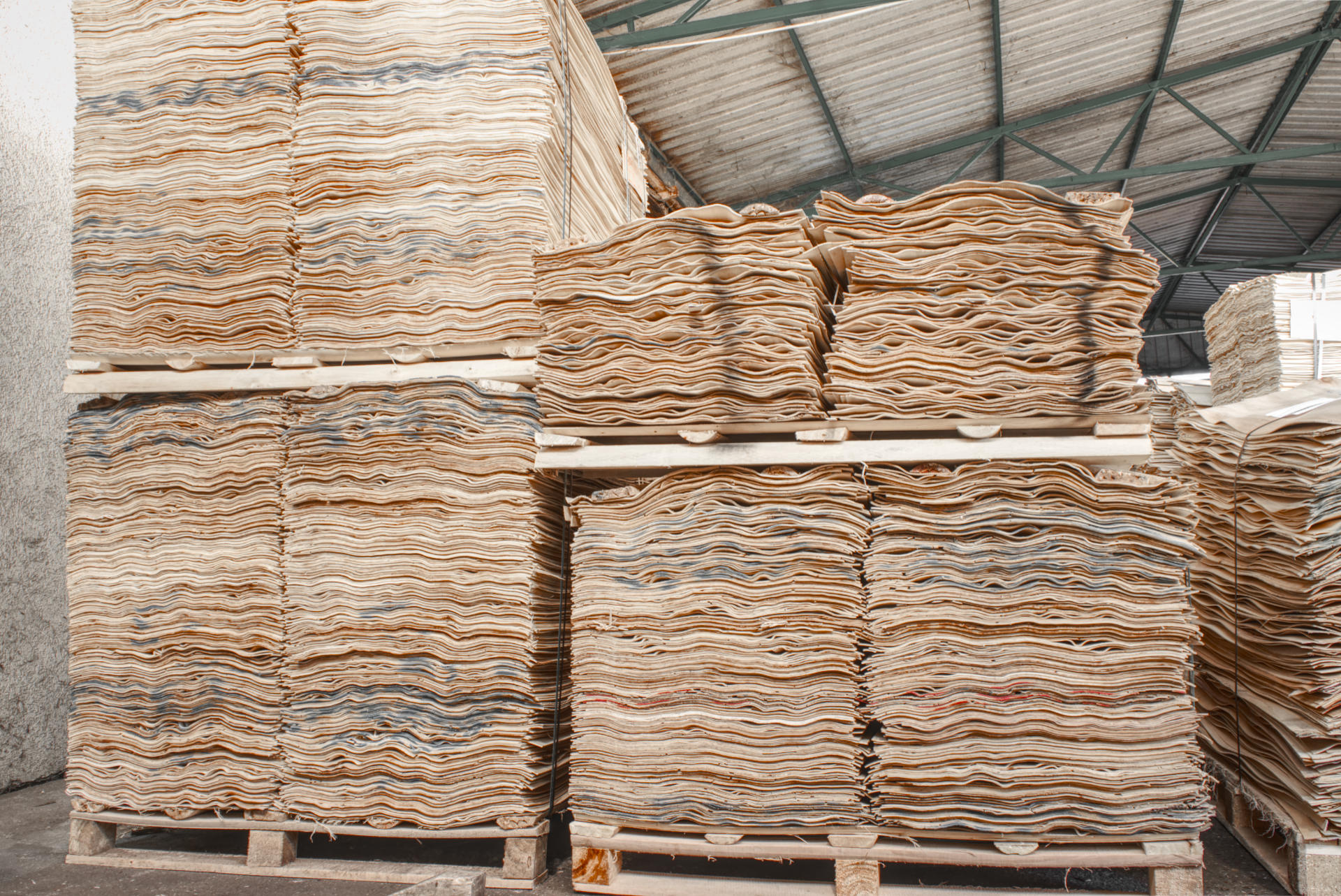
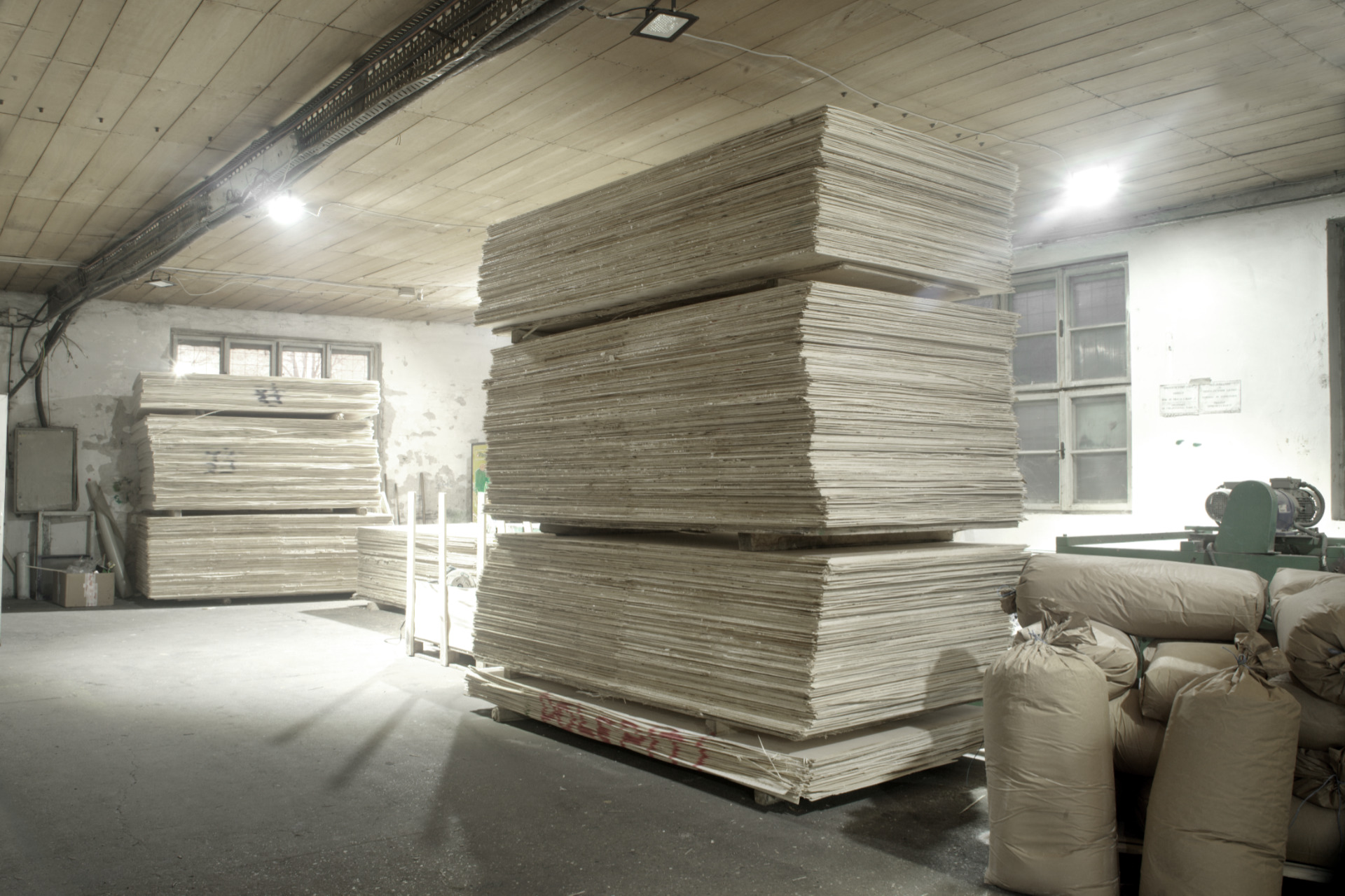
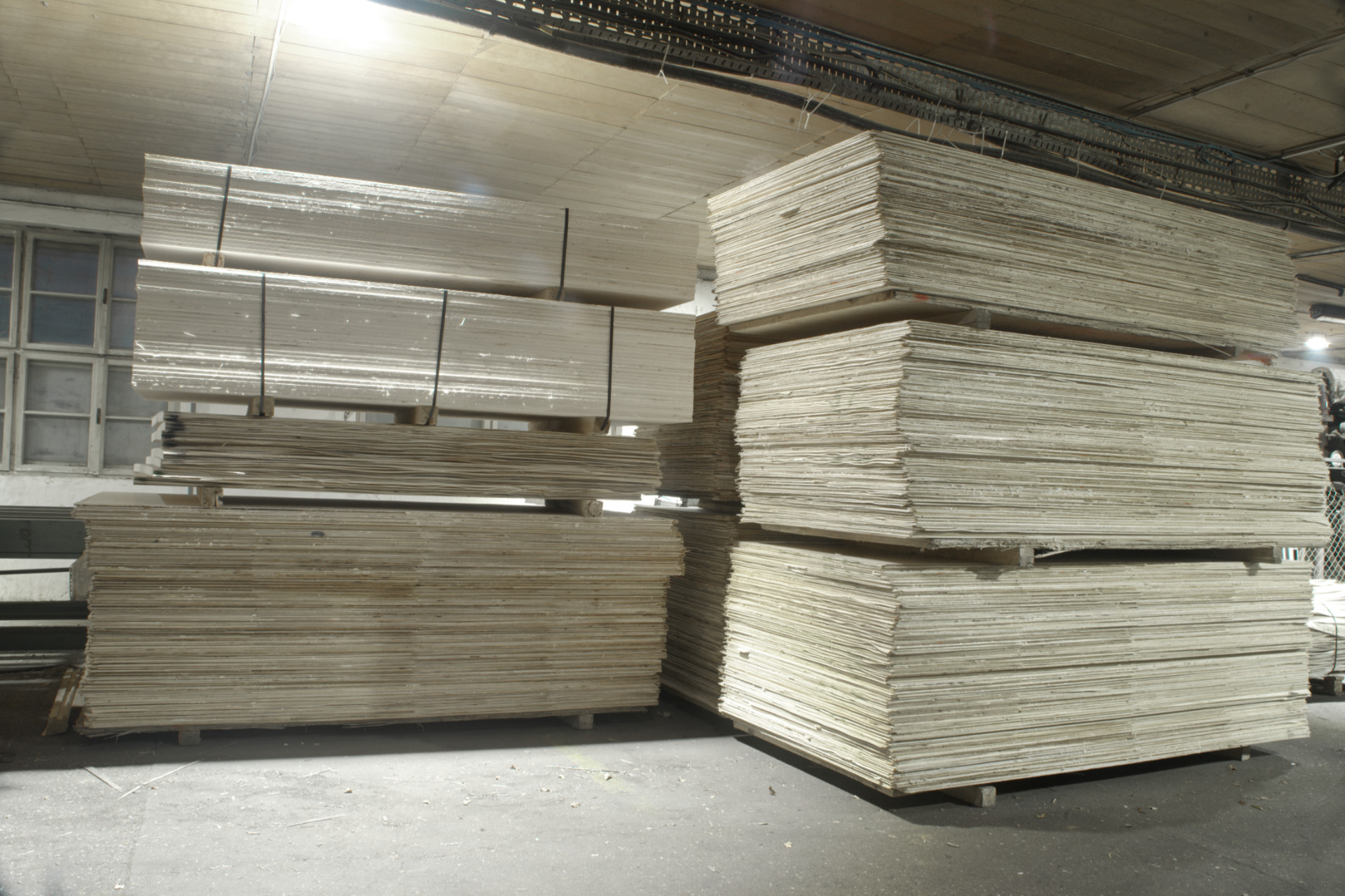
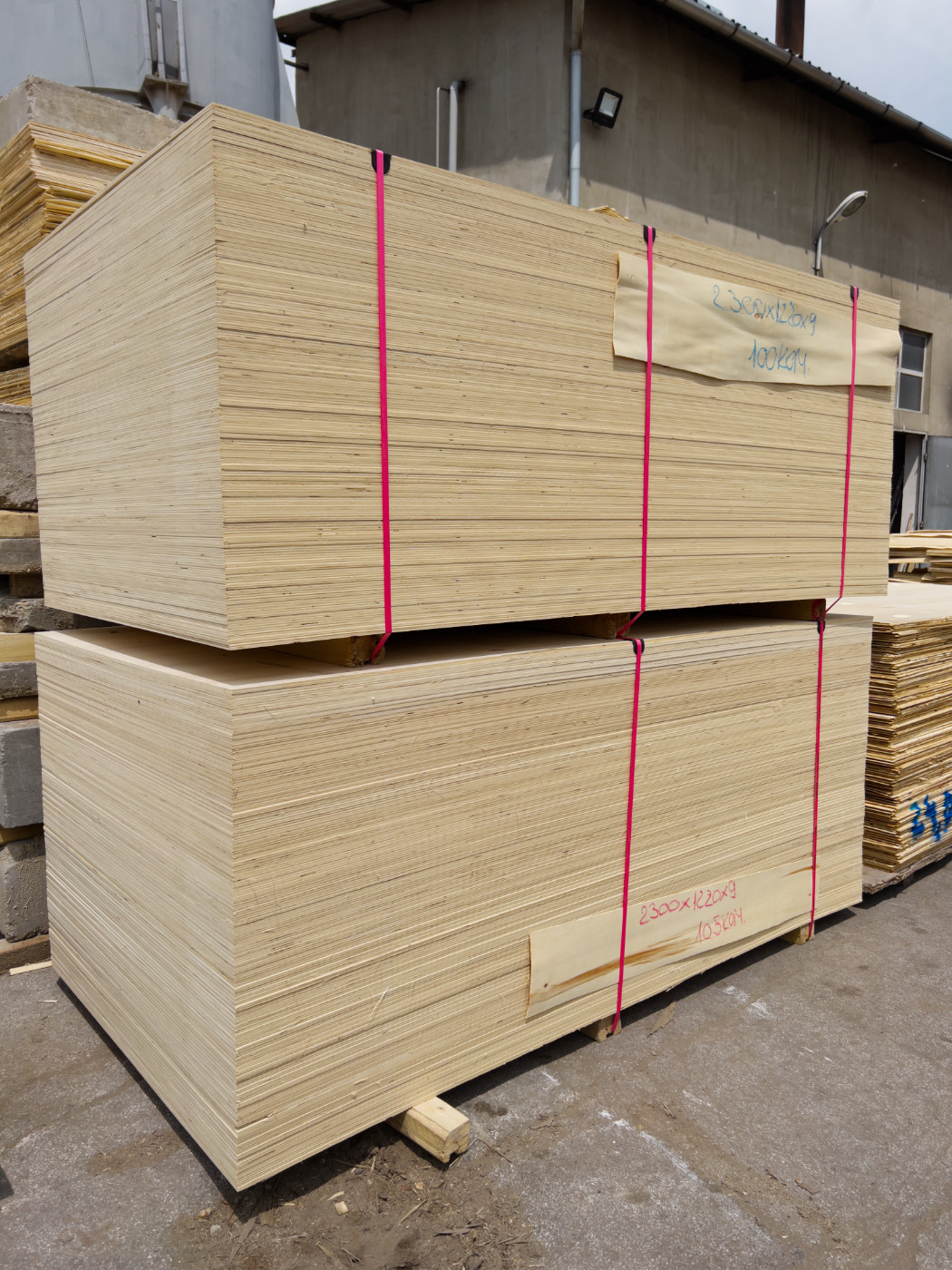
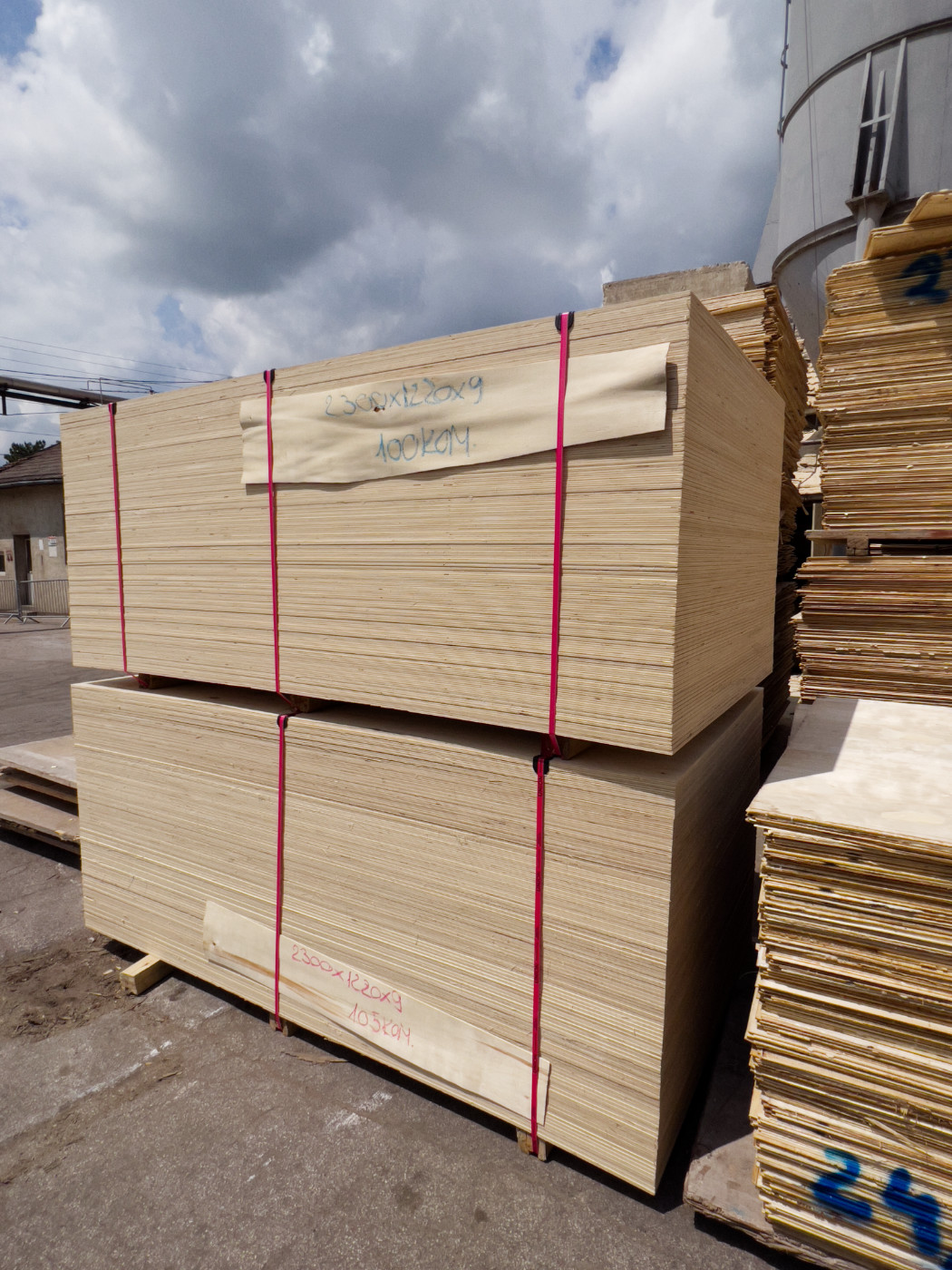
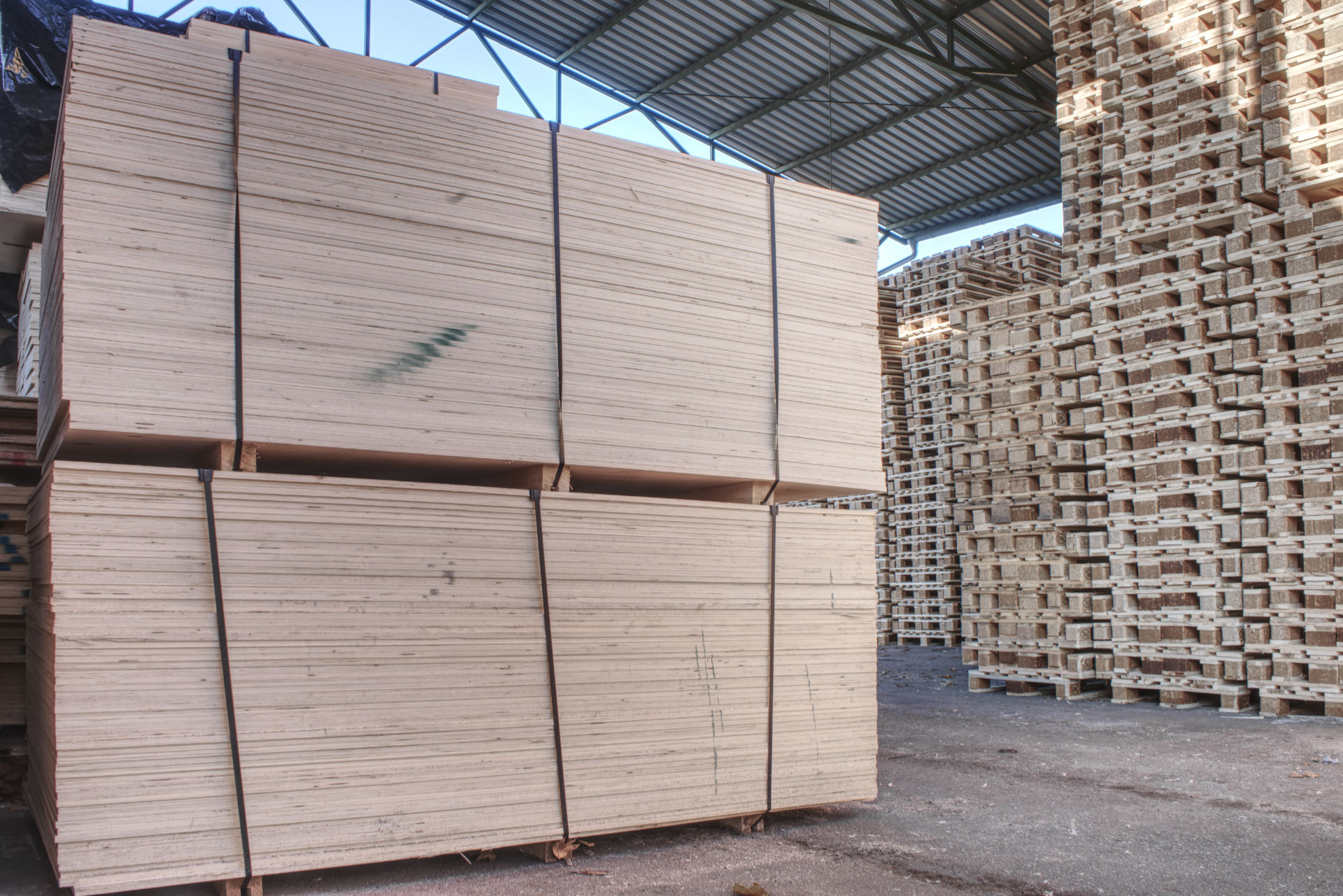
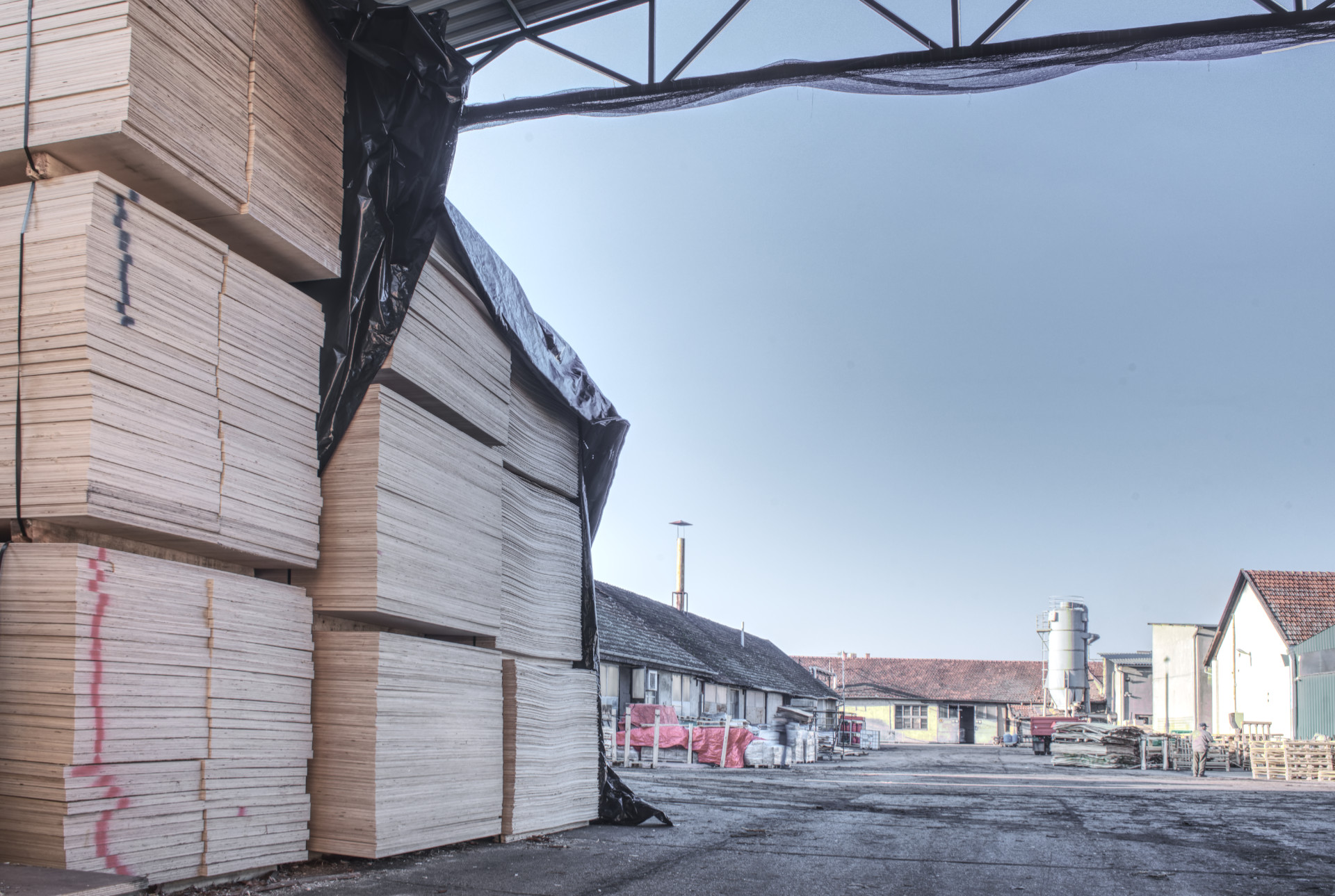
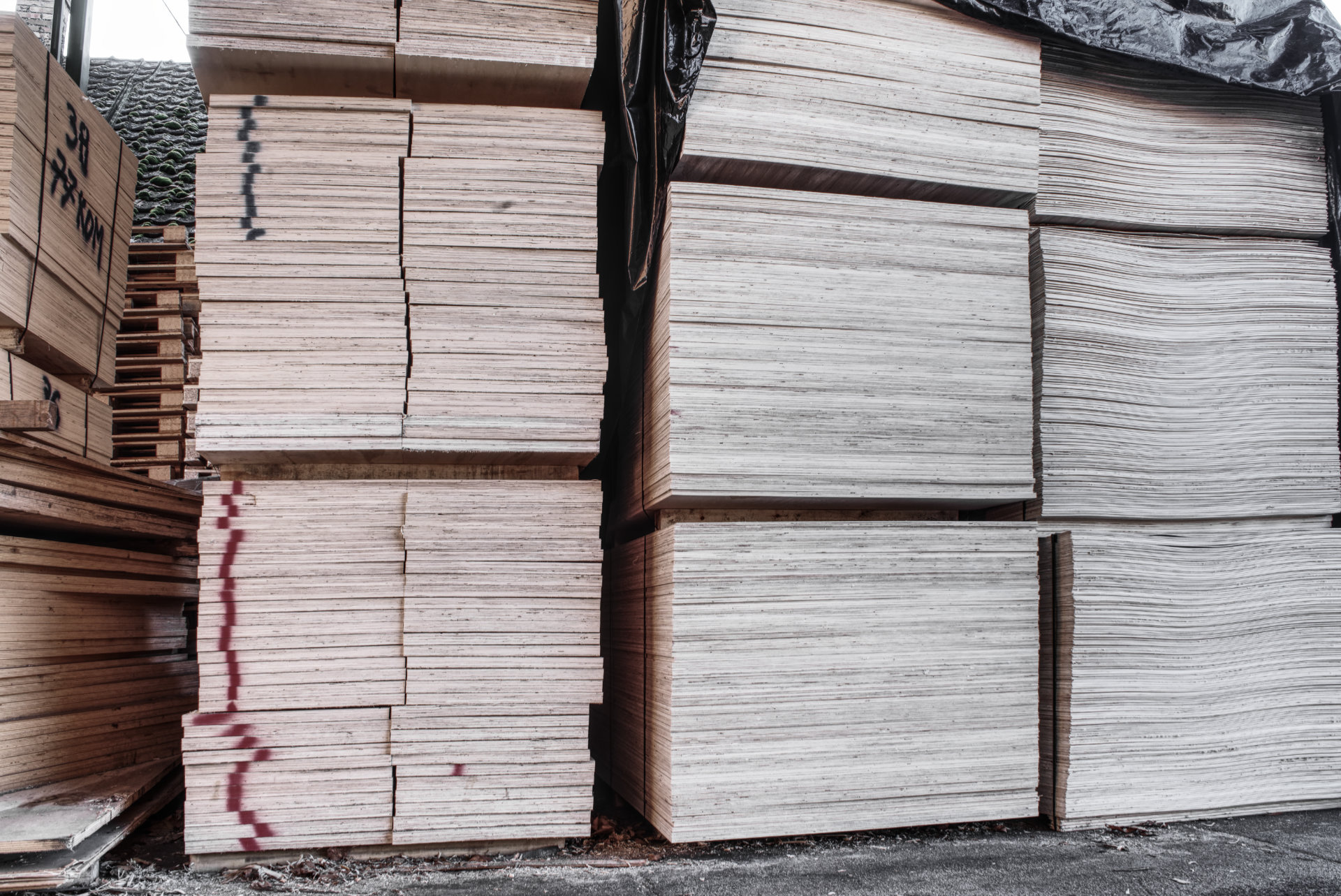
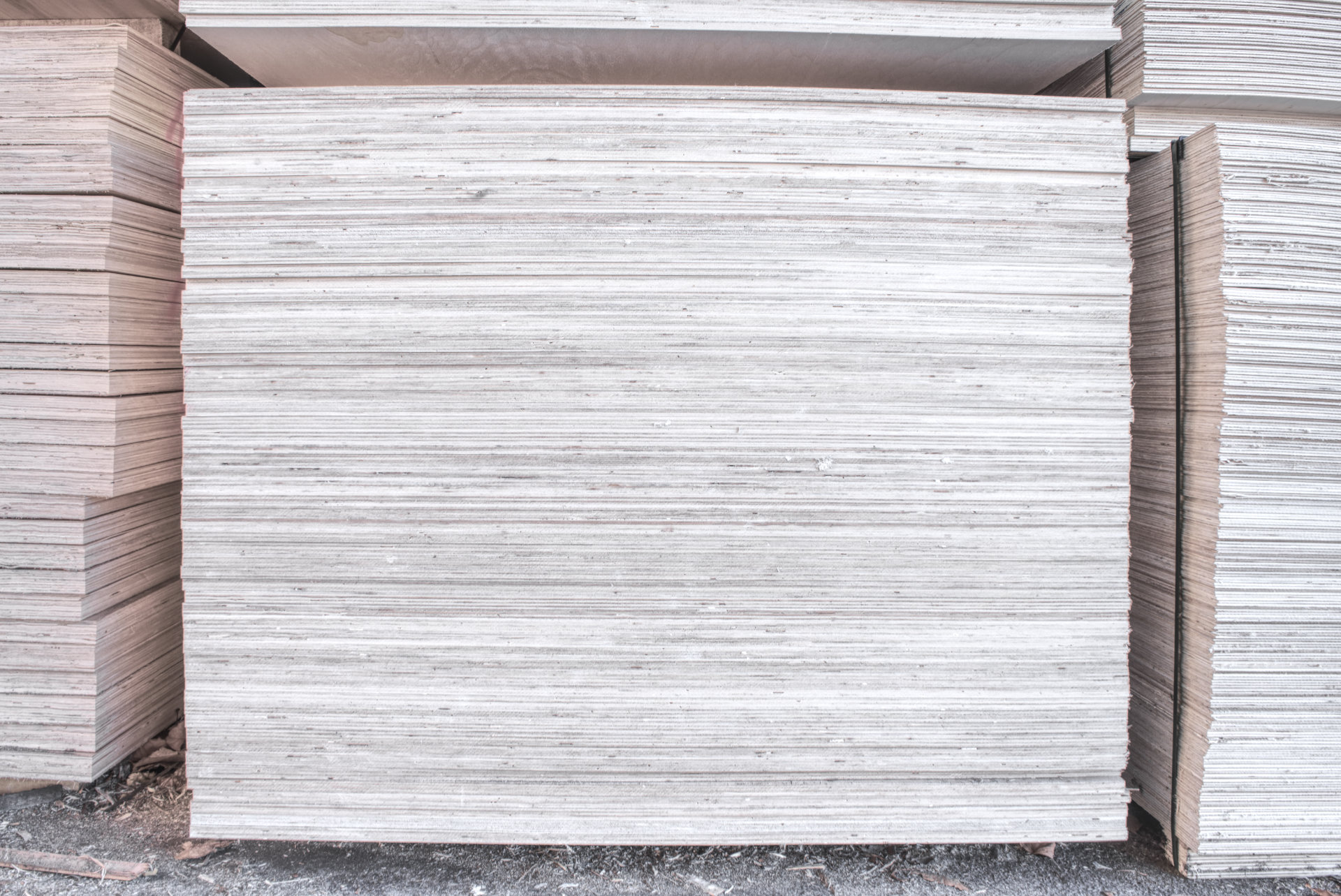
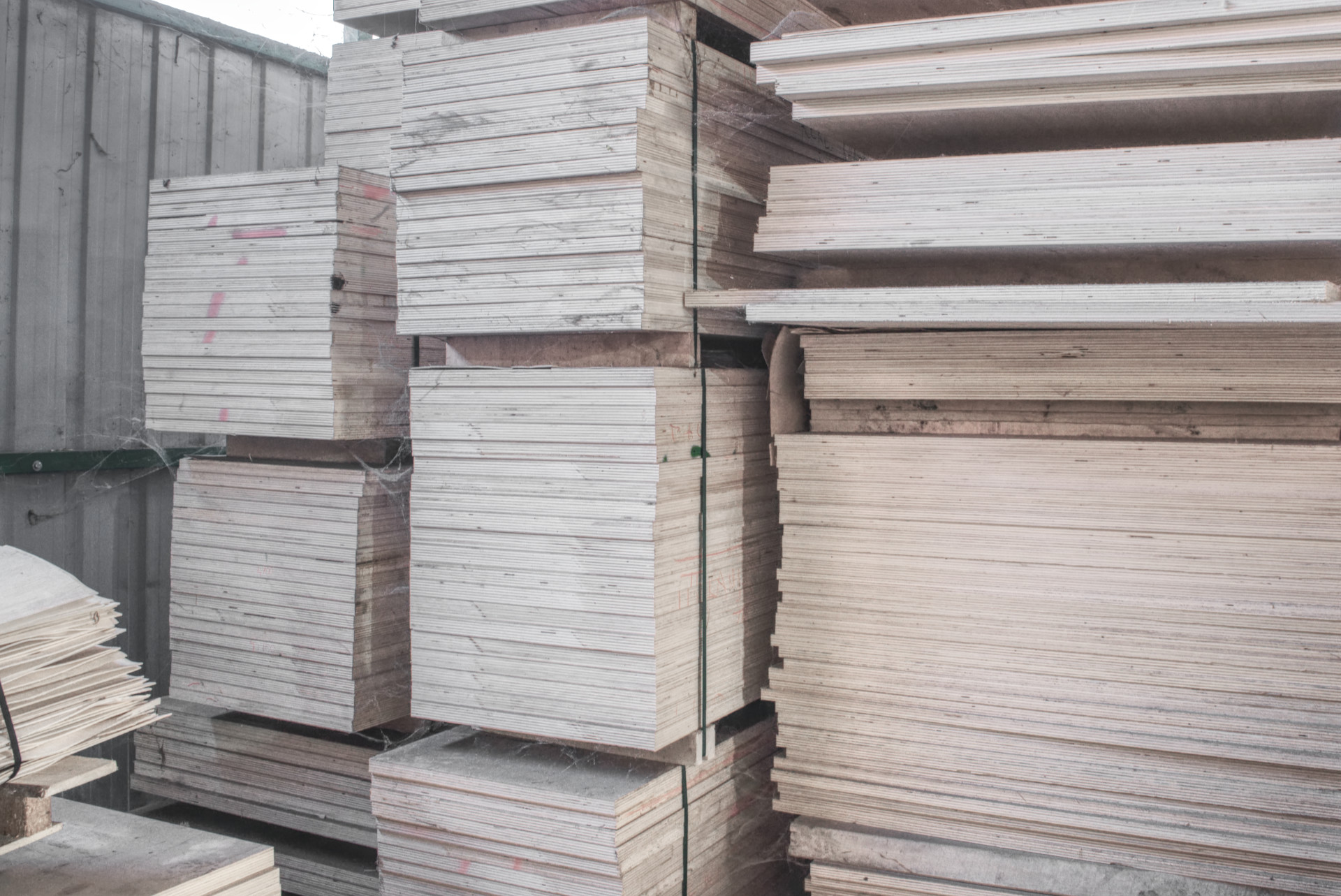
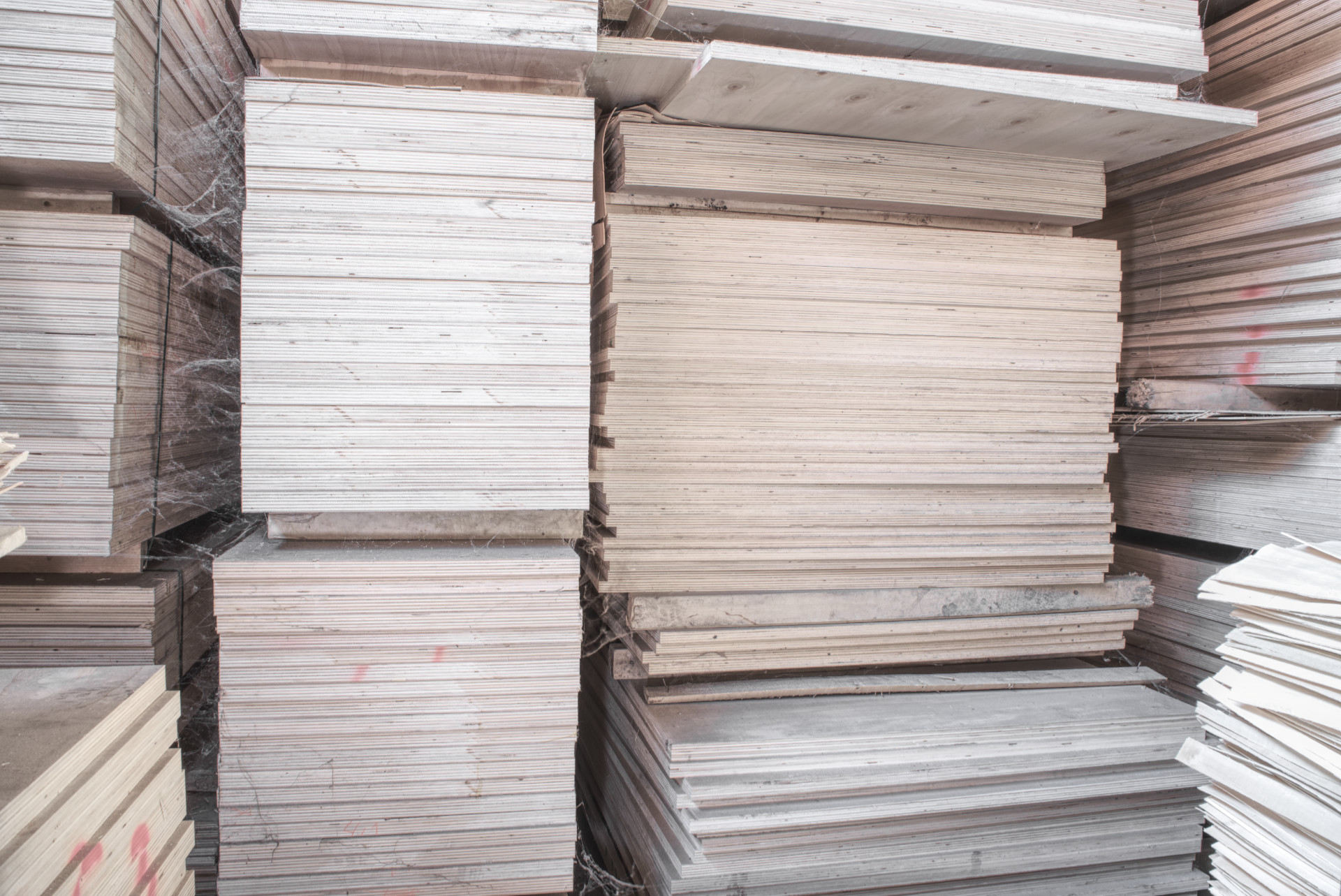
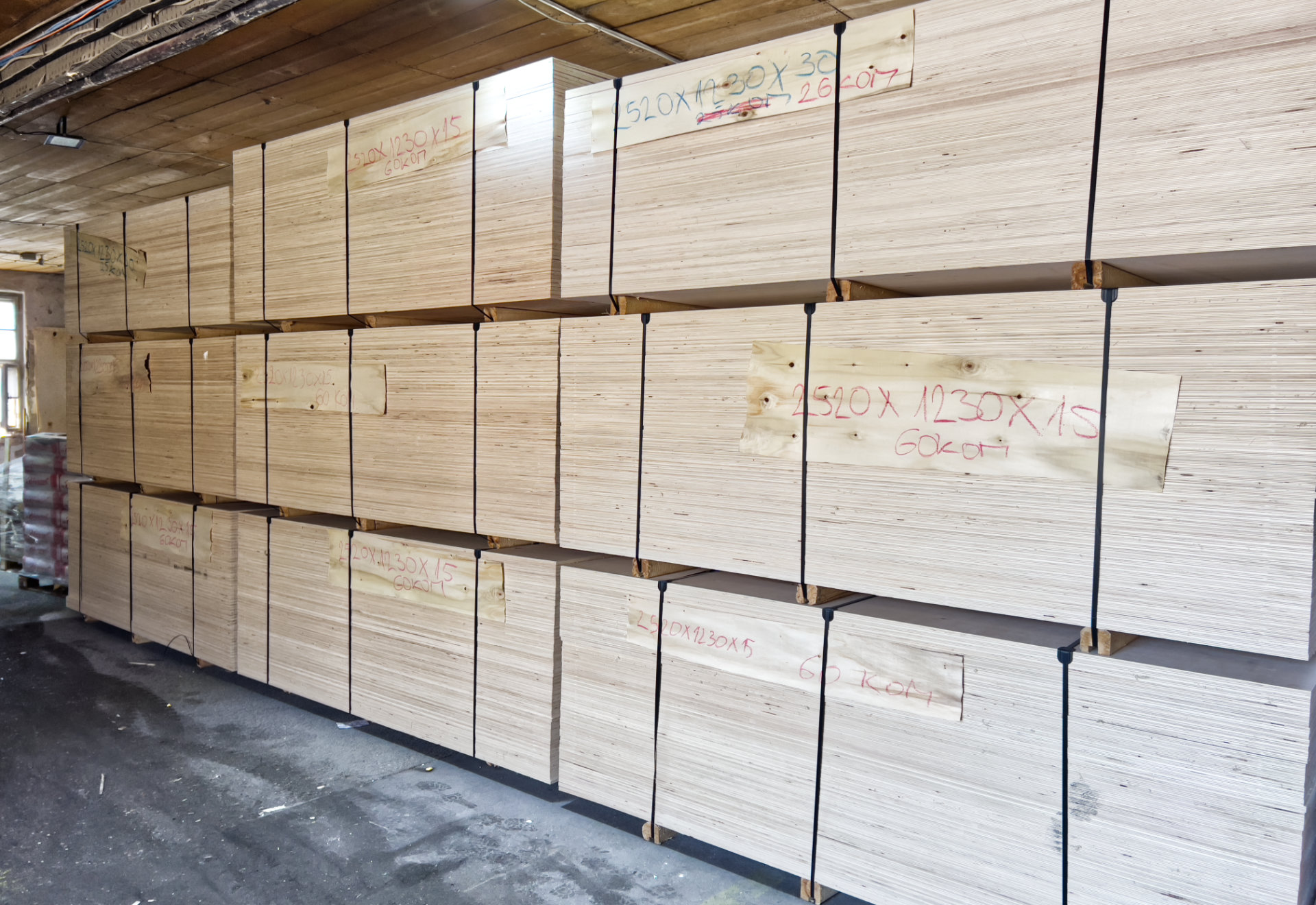
Internal transport and storage: After processing, the finished plywood panels are packed onto pallets. They are stacked into stable bundles and secured with straps (metal or plastic) to ensure safe handling. These bundles are stored in our enclosed product warehouse. Most production is made to order, so panels do not remain in stock for long. Once a production order is completed, panels are ready for customer delivery.

Thanks to daily shipments, storage time is minimized, ensuring fresh and high-quality products for our customers. In coordination with clients, we organize transport – goods are delivered by truck to the customer’s address, or customers can collect them directly from our warehouse, depending on preference.

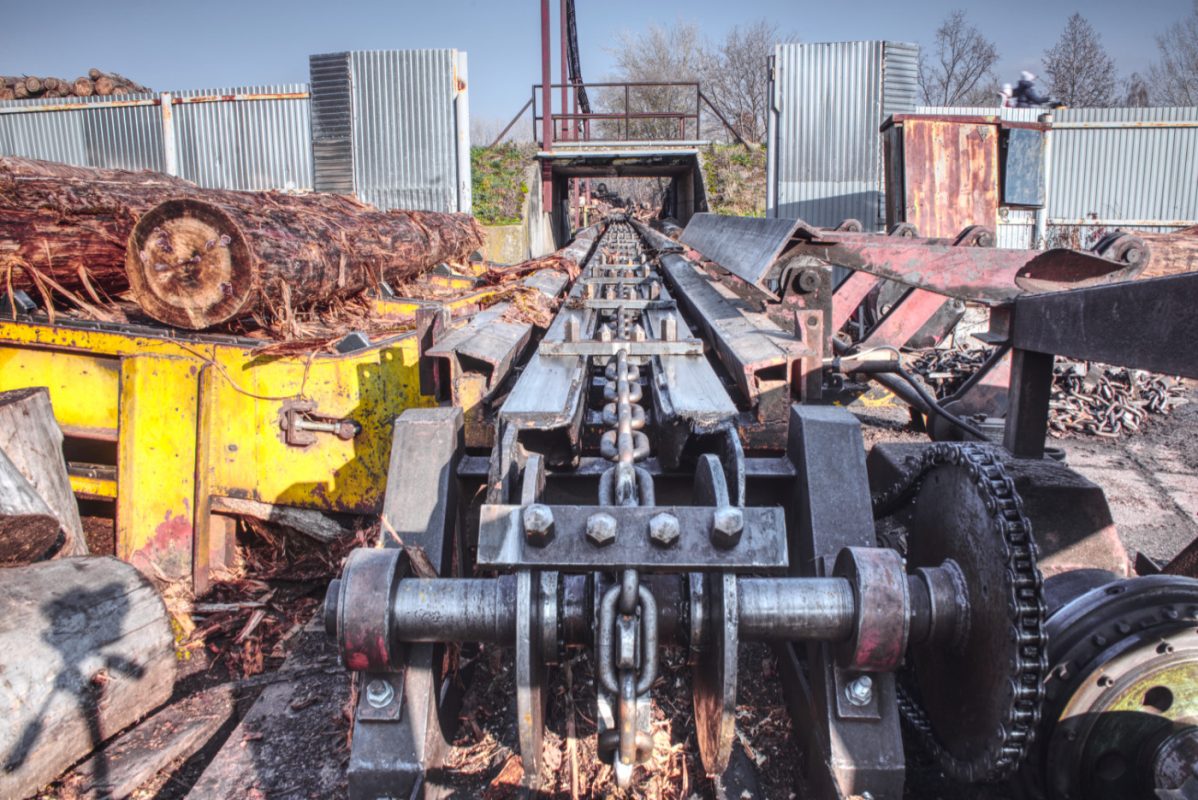
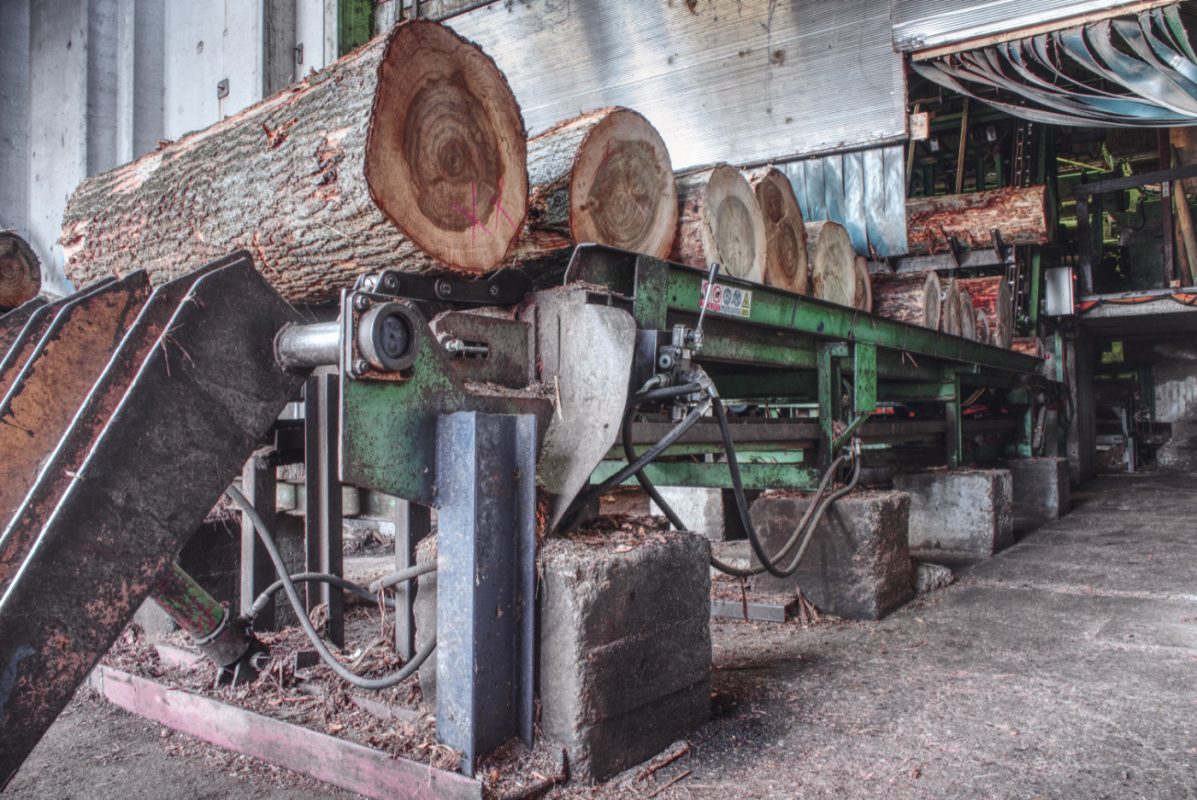
Internal material flow within the factory is maximally automated and optimized. Between key process points, conveyor belts and mechanized transporters (e.g., from the log transfer area to the production line, or from the veneer dryer to the gluing line) are implemented, allowing material to move along the production flow without delays. Unnecessary temporary storage and manual handling are eliminated. Each process segment runs smoothly and continuously, increasing productivity and reducing production time. Such an automated production flow also ensures consistent quality by reducing the risk of material damage during handling.

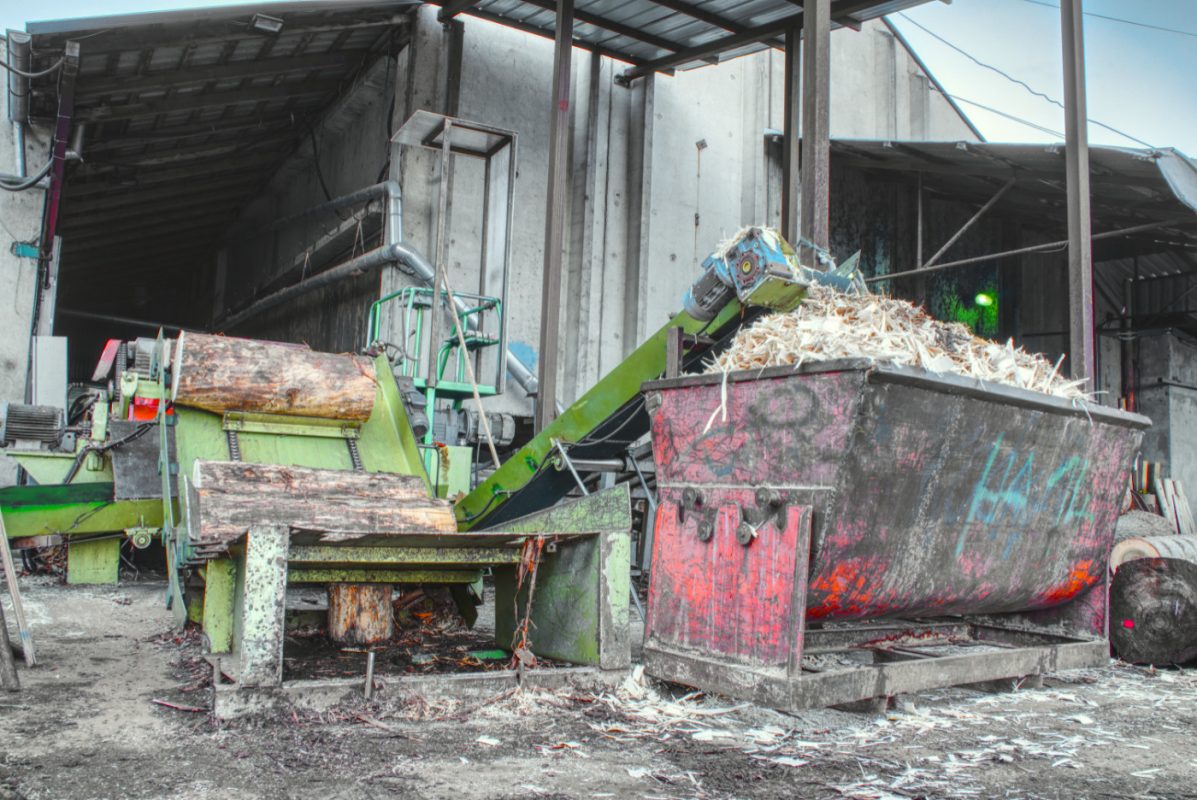
Waste management: One of Demka Trade LLC’s principles is a zero-waste approach in the wood processing industry. All by-products generated during plywood and other production lines are 100% recycled or repurposed into new products. Veneer trimmings and defective sheets can be shredded and used for the production of pressed panels or briquettes, while all wood chips, shavings, and processing residues are collected and pressed into pressed wood blocks that serve as semi-finished products for pallet production. Demka Trade is the only manufacturer of this product in Serbia – our pressed blocks are eco-friendly, high-quality, and comply with ISPM 15 standards. Besides fulfilling our own needs, they are successfully sold on international markets. Through this sustainable approach, our production flow is fully circular: nothing is wasted, and every part of the wood finds its purpose.

We use urea-formaldehyde (UF), melamine-urea-formaldehyde (MUF), and phenol-formaldehyde (PF) adhesives, depending on the application. All adhesives comply with E1 formaldehyde emission standards and European waterproofing norms.

The number of layers depends on panel thickness and customer requirements. Common configurations include 3, 5, 7, or more layers, with an odd number of layers used to achieve symmetry and panel stability.

The standard moisture content of dried veneer before assembling the sandwich is between 6% and 12%, with an optimal moisture content for pressing around 8–10% to achieve maximum bond strength and dimensional stability.

The most common standard sizes are 2500 × 1250 mm and 2440 × 1220 mm, with thicknesses ranging from 4 mm to 40 mm. We also produce non-standard dimensions upon customer request.

Quality is monitored in multiple stages – from visual inspection of veneer, checking pressure and temperature during pressing, to final grading, sanding, and dimensioning. Each panel is assessed and labeled according to industry standards.

E1 is the European standard defining the maximum formaldehyde emission in panel products: ≤0.124 mg/m³. All our products comply with the E1 class and are suitable for indoor use in residential and commercial spaces.

Yes, we produce plywood with phenol-formaldehyde adhesives that meet waterproofing standards and are suitable for outdoor applications (WBP). These panels are used in construction, formwork, and the transport industry.

Poplar plywood is lighter, more flexible, and better suited for applications where weight is a critical factor (e.g., furniture, vehicles, camper trailers). Beech plywood is stronger and used where higher load-bearing capacity is required. Poplar is the preferred choice when weight reduction with good stability is desired.

In LVL panels, all veneer layers are oriented parallel (aligned in the same direction), providing maximum load-bearing capacity along the grain. They are used for beams, columns, roof structures, and other structural elements.

Yes, due to the cross-oriented veneer layers and proper pressing, the plywood exhibits excellent resistance to bending and deformation. Stability is further enhanced by controlled drying and moisture management.

Yes. Our plywood surface is smooth and flat, suitable for applying decorative veneers, HPL laminates, PVC films, or painting. It is ideal for furniture production and decorative panels.

Each shipment includes a technical data sheet, formaldehyde emission certificate (E1), quality class information, and a compliance declaration with standards. Upon request, additional laboratory analyses and samples are provided.

Stay Updated with Our Production Program

Sign up to receive occasional updates on our product range, technical improvements, and news from Demka Trade LLC plywood production.